Home Inspection Essentials for Long Beach and Huntington Beach Buyers
Learn what professional home inspectors look for and how to protect your investment before closing on a coastal Southern California property.

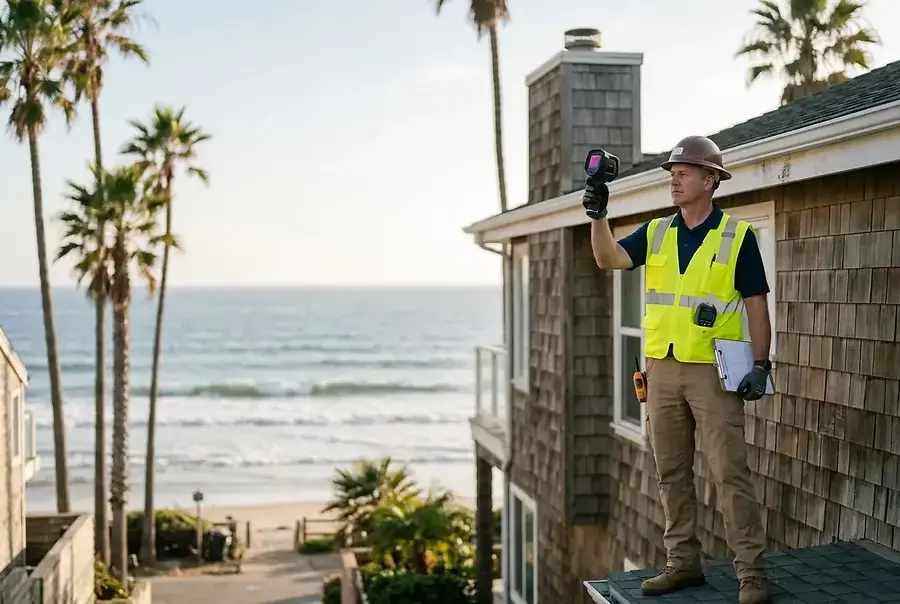
Understanding the Home Inspection Process and What Inspectors Evaluate
A home inspection is one of the most critical steps in the home-buying process, especially in coastal Southern California communities like Long Beach and Huntington Beach. During a typical inspection, a licensed professional will spend two to three hours thoroughly examining your potential property, both inside and out.
Professional home inspectors evaluate several key areas of your property:
- Structural Components: Foundation, framing, walls, and overall structural integrity
- Roofing Systems: Roof condition, age, and potential leaks
- Plumbing: Water pressure, drainage, pipes, and fixtures
- Electrical Systems: Wiring, outlets, panels, and safety compliance
- HVAC Systems: Heating, cooling, and ventilation functionality
- Exterior Elements: Siding, windows, doors, and landscaping
- Interior Features: Flooring, walls, ceilings, and appliances
Inspectors use specialized tools and equipment to identify issues that aren't visible to the naked eye. They'll test systems, check for moisture, and document their findings in a comprehensive report that becomes your roadmap for negotiations and future maintenance.
Common Issues Found in Long Beach and Huntington Beach Coastal Properties
Coastal properties face unique challenges due to their proximity to the ocean. Understanding these common issues will help you prepare for what your inspector might discover.
Salt Air Corrosion and Rust
The salty ocean air accelerates corrosion on metal components, including HVAC units, electrical fixtures, and metal roofing. Inspectors will look for rust spots, oxidation, and deterioration that could affect the longevity of these systems.
Moisture and Mold Issues
High humidity levels near the coast create ideal conditions for moisture infiltration and mold growth. Inspectors will check for water stains, soft spots in wood, and signs of mold in attics, basements, and crawl spaces. This is particularly important in older coastal homes where moisture barriers may be inadequate.
Foundation and Soil Concerns
Coastal soil conditions can be unstable, and properties may experience settling or shifting. Inspectors will look for cracks in the foundation, uneven floors, and other signs of structural movement that could indicate serious problems.
Roof and Weather Damage
Strong coastal winds and salt spray can damage roofing materials more quickly than in inland areas. Inspectors will assess roof age, missing shingles, and weather-related wear that might require replacement sooner than expected.
Window and Door Sealing
Proper sealing is crucial in coastal homes to prevent salt air and moisture from entering. Inspectors will examine caulking, weatherstripping, and frame integrity around all windows and doors.
How to Review Inspection Reports and Negotiate Repairs with Sellers
Once your inspection is complete, you'll receive a detailed report. Here's how to approach this critical document:
Prioritize the Findings
Inspection reports categorize issues by severity. Focus on major structural problems, safety hazards, and system failures first. Minor cosmetic issues can often be addressed after closing or negotiated for a lower price.
Get a Second Opinion
For significant findings, consider hiring a specialist. A structural engineer can assess foundation issues, and a mold specialist can evaluate moisture problems. These expert opinions strengthen your negotiating position.
Research Repair Costs
Before negotiating, obtain repair estimates from licensed contractors. Knowing the actual cost of repairs gives you concrete numbers to discuss with the seller. Don't rely solely on the inspector's cost estimates, as these are often general approximations.
Negotiate Strategically
You have several options when issues are discovered:
- Request that the seller make repairs before closing
- Ask for a credit toward closing costs to handle repairs yourself
- Request a price reduction on the property
- Walk away from the deal if issues are too severe
Remember: In a competitive market, sellers may be unwilling to make repairs. Be prepared with your priorities and walk-away points before negotiations begin.
Document Everything
Keep copies of the inspection report, repair estimates, and all communication with the seller and their agent. This documentation protects you and provides a clear record of what was agreed upon.
Taking Action: Next Steps After Your Home Inspection
The inspection doesn't end when you receive the report. Here's what you should do next:
Schedule a Final Walk-Through
Before closing, conduct a final walk-through to verify that any agreed-upon repairs have been completed satisfactorily. Check that systems are functioning and that the property matches the condition documented in your inspection.
Create a Maintenance Plan
Use the inspection report to develop a preventative maintenance schedule. Address minor issues before they become major problems, especially in coastal properties where salt air and moisture accelerate deterioration.
Budget for Future Repairs
The inspection report reveals the age and condition of major systems. Set aside funds for upcoming replacements, such as roof repairs, HVAC maintenance, or plumbing updates. This proactive approach prevents financial surprises.
Maintain Detailed Records
Keep your inspection report and all maintenance records in a safe place. These documents are valuable for future home sales, insurance claims, and warranty purposes. They also help you track the property's condition over time.
Investing in a thorough home inspection is one of the smartest decisions you can make as a coastal property buyer. By understanding what inspectors evaluate, recognizing common coastal issues, and taking action on their findings, you'll protect your investment and ensure your new Long Beach or Huntington Beach home is safe, sound, and ready for years of enjoyment.


