Home Inspection Essentials for Lubbock Buyers: Protect Your Investment
Discover the critical inspection points that protect your investment and reveal hidden issues before closing on your Lubbock property.

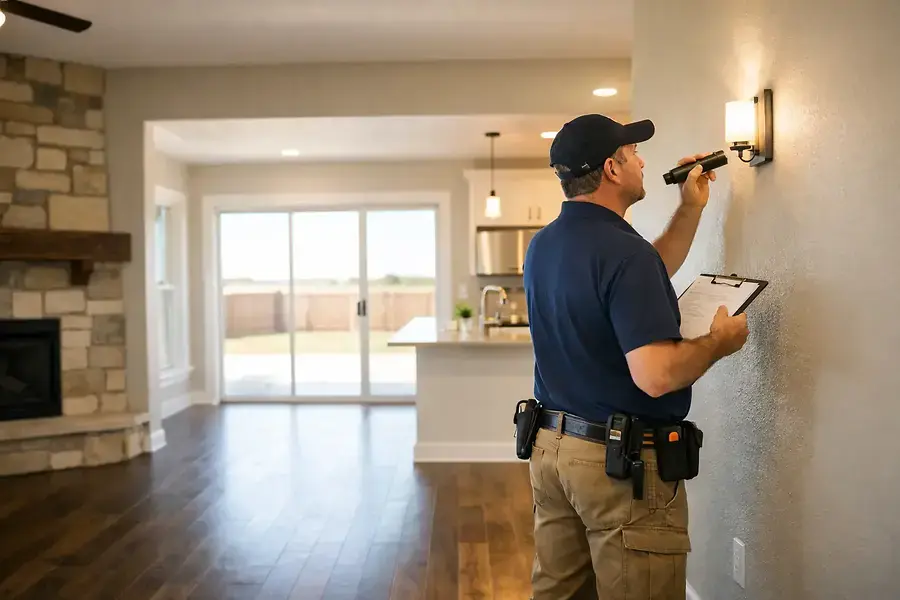
Understanding the Home Inspection Process in Lubbock
Purchasing a home is one of the most significant investments you'll make in your lifetime. In Lubbock, where properties range from historic homes to modern constructions, a professional home inspection is your first line of defense against costly surprises. A thorough inspection typically lasts two to three hours and involves a certified inspector examining the property's structural integrity, systems, and overall condition.
The inspection process begins with a visual examination of the exterior, including the roof, foundation, and landscaping. The inspector then moves inside to evaluate the interior systems, appliances, and structural components. Understanding what happens during this process helps you prepare questions and know what to expect from your inspection report.
Why Professional Inspections Matter
Many first-time buyers wonder if they can skip the inspection to save money. This is a critical mistake. A professional inspector brings expertise that untrained eyes simply cannot provide. They identify issues that may not be immediately visible, such as hidden water damage, electrical problems, or structural concerns that could cost thousands to repair.
Key Areas Inspectors Examine and Why They Matter
Roof and Exterior
The roof is your home's primary defense against Lubbock's weather conditions. Inspectors evaluate:
- Shingle condition and age
- Flashing integrity around chimneys and vents
- Gutter functionality and drainage
- Signs of leaks or water damage
A compromised roof can lead to interior water damage and mold growth, making this one of the most critical inspection areas.
Foundation and Structural Components
Lubbock's soil composition can affect foundation stability. Inspectors look for:
- Cracks in the foundation or basement walls
- Signs of settling or shifting
- Proper grading around the foundation
- Moisture intrusion issues
Foundation problems are expensive to repair and can affect the entire property's value. Early detection is essential.
HVAC Systems
Given Lubbock's temperature extremes, a functioning HVAC system is non-negotiable. Inspectors assess:
- Age and condition of heating and cooling units
- Proper airflow and ductwork integrity
- Thermostat functionality
- Maintenance history and filter conditions
Plumbing and Water Systems
Water-related issues can cause significant damage if left unaddressed. Inspectors examine:
- Water pressure and flow rates
- Pipe material and condition
- Drain functionality
- Water heater age and performance
- Signs of leaks or corrosion
Electrical Systems
Electrical safety is paramount. Inspectors check:
- Panel capacity and breaker functionality
- Outlet grounding and safety
- Wiring condition and code compliance
- Presence of outdated or hazardous materials
Red Flags and How to Respond to Inspection Reports
Understanding Report Findings
Inspection reports categorize findings by severity. Major issues require immediate attention and can significantly impact your offer. Minor issues are typically maintenance-related and less urgent. Understanding this distinction helps you prioritize your response.
Common Red Flags in Lubbock Properties
Watch for these warning signs that warrant serious consideration:
- Mold or moisture damage: Indicates potential health hazards and structural concerns
- Outdated electrical systems: May require expensive upgrades for safety and insurance purposes
- Roof age over 20 years: Replacement costs can exceed $10,000
- Foundation cracks: Require professional evaluation to determine severity
- HVAC system failure: Replacement is a significant expense
Responding to Inspection Results
Once you receive the inspection report, you have several options:
- Request repairs: Ask the seller to fix identified issues before closing
- Negotiate credits: Request a price reduction to cover repair costs yourself
- Request re-inspection: Have specific issues evaluated by a specialist
- Walk away: If major issues exceed your comfort level or budget
The key is responding promptly and professionally. Your real estate agent can help you determine which issues are negotiable and which are deal-breakers.
Closing Strong: Using Inspection Results to Negotiate Better Terms
Building Your Negotiation Strategy
Armed with inspection findings, you're in a stronger position to negotiate. Prioritize your requests by focusing on:
- Safety-critical issues that affect habitability
- Major systems requiring replacement or significant repair
- Issues that could worsen without immediate attention
Avoid requesting repairs for minor cosmetic issues or routine maintenance items.
Getting Specialist Evaluations
For major concerns, consider hiring specialists before finalizing negotiations. A structural engineer, roofer, or HVAC technician can provide detailed assessments and repair estimates. This documentation strengthens your negotiating position with concrete data.
Final Walk-Through
Before closing, conduct a final walk-through to verify that agreed-upon repairs were completed satisfactorily. This is your last opportunity to address any concerns. Ensure all systems are functioning and the property matches the agreed-upon condition.
Protecting Your Investment Long-Term
The inspection process doesn't end at closing. Use the inspection report as a maintenance guide for your new home. Address recommended maintenance items promptly to prevent small issues from becoming expensive problems. Keep detailed records of all repairs and maintenance for future reference and resale value.
By understanding the home inspection process, knowing what inspectors examine, and responding strategically to findings, you're taking control of one of life's biggest purchases. In Lubbock's competitive real estate market, an informed buyer is an empowered buyer.