Home Inspection Essentials for Minneapolis-Saint Paul Buyers
Discover what to look for during inspections and how to avoid costly surprises in the Twin Cities market.

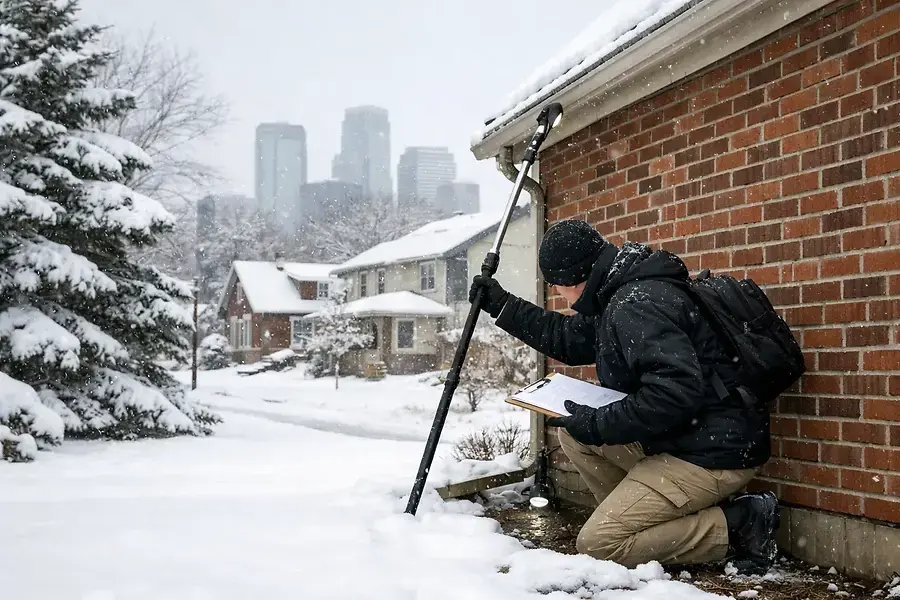
Why Home Inspections Matter in the Twin Cities
Purchasing a home is one of the most significant investments you'll make in your lifetime, and nowhere is this more true than in the Minneapolis-Saint Paul real estate market. A comprehensive home inspection is your opportunity to uncover potential issues before you commit to the purchase. In the Twin Cities, where homes face unique challenges from harsh winters, variable humidity, and aging infrastructure, a thorough inspection can save you thousands of dollars in unexpected repairs.
Home inspections provide peace of mind and empower you with knowledge about your potential investment. Rather than discovering problems after closing, a professional inspector identifies concerns early, giving you the leverage to negotiate repairs, request credits, or make an informed decision about whether to proceed with the purchase.
Key Areas Inspectors Evaluate in Minnesota Homes
Roof and Attic Condition
Minnesota's extreme weather conditions make the roof one of the most critical components of any home. Inspectors examine shingle condition, flashing integrity, and signs of leaks or water damage. They also assess the attic for proper ventilation, insulation levels, and evidence of moisture problems—all essential factors in a climate where snow load and ice dams are common concerns.
Foundation and Basement
The foundation is the backbone of any structure. Inspectors look for:
- Cracks in concrete or masonry
- Water intrusion or dampness
- Efflorescence (white mineral deposits)
- Proper grading and drainage around the foundation
- Sump pump functionality
In the Twin Cities, where freeze-thaw cycles are frequent, foundation issues are particularly common and can be expensive to repair.
HVAC Systems
Heating systems are essential in Minnesota winters. Inspectors evaluate furnace age, efficiency, and condition. They also check ductwork for leaks, proper insulation, and air distribution. A well-functioning HVAC system can mean the difference between comfort and costly emergency repairs during winter months.
Plumbing and Water Systems
Inspectors test water pressure, check for leaks, and examine pipe materials. In older Minneapolis-Saint Paul homes, galvanized pipes and cast iron drain lines may need replacement. They also assess water heater condition and capacity, which is crucial for Minnesota households.
Electrical Systems
A safe electrical system is non-negotiable. Inspectors verify proper grounding, check for outdated wiring, and ensure the panel has adequate capacity. They look for potential fire hazards and code violations that could affect insurance or safety.
Windows, Doors, and Exterior
Minnesota's weather demands robust exterior protection. Inspectors examine:
- Window and door seals and operation
- Siding condition and water damage
- Gutters and downspout functionality
- Deck or porch structural integrity
- Caulking and weatherproofing
Common Issues Found in Minneapolis-Saint Paul Properties
Water Damage and Moisture Problems
Water intrusion is the most frequent issue found in Twin Cities homes. Basement moisture, roof leaks, and ice dam damage are particularly common due to Minnesota's climate. These problems can lead to mold growth, structural damage, and expensive remediation if not addressed promptly.
Aging Roofs
Many Minneapolis-Saint Paul homes have roofs nearing the end of their lifespan. A roof replacement can cost $10,000 to $25,000 or more, making this one of the most significant findings in an inspection report. Inspectors pay special attention to roof age and condition, as Minnesota winters accelerate wear and tear.
Outdated Electrical Systems
Older homes in the Twin Cities often have aluminum wiring or insufficient panel capacity. These issues pose fire hazards and may require upgrades to meet current code standards. Some insurance companies won't cover homes with certain electrical deficiencies.
Plumbing Concerns
Galvanized pipes, cast iron drain lines, and polybutylene supply lines are common in older Minneapolis-Saint Paul homes. These materials deteriorate over time and may need replacement, which can be a significant expense.
HVAC System Age
Many Twin Cities homes have furnaces and air conditioning systems that are 15-20 years old or older. While they may still function, replacement costs can exceed $5,000-$8,000, making this an important consideration in your purchase decision.
Foundation Issues
Cracks, bowing walls, and water seepage are not uncommon in Minnesota basements. The freeze-thaw cycle can exacerbate foundation problems, and repairs can range from minor to extremely costly depending on severity.
Making Informed Decisions with Inspection Results
Once you receive your inspection report, take time to understand the findings. Prioritize issues by severity—safety concerns and major structural problems should take precedence over cosmetic issues.
Use the inspection report as a negotiation tool. You can request that the seller make repairs, provide credits for repairs you'll handle, or adjust the purchase price accordingly. In a competitive market like Minneapolis-Saint Paul, knowing what you're buying gives you confidence and leverage.
A professional home inspection is not an expense—it's an investment in your future. The cost of an inspection (typically $300-$500) is minimal compared to the potential savings from identifying major issues before purchase.
Don't skip the walk-through with your inspector. Ask questions, take notes, and request clarification on any concerns. Understanding the condition of your potential home empowers you to make decisions aligned with your budget and comfort level.
In the Twin Cities real estate market, where homes face unique environmental challenges, a thorough home inspection is essential. By understanding what inspectors evaluate and recognizing common issues in Minneapolis-Saint Paul properties, you can navigate your home purchase with confidence and avoid costly surprises down the road.