Home Inspection Essentials for Minneapolis-Saint Paul Buyers
Learn what professional inspectors look for and how to protect your investment in the Twin Cities real estate market.

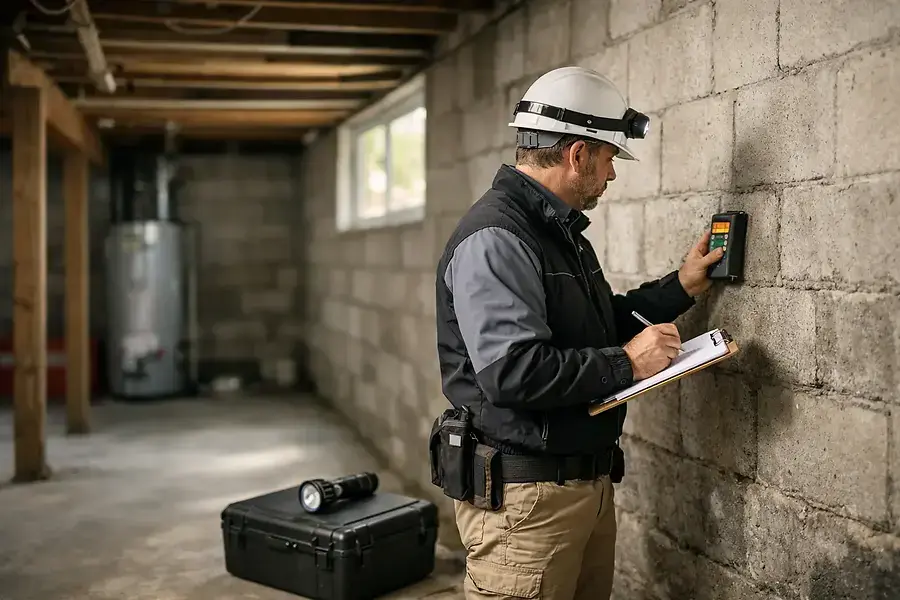
Why Home Inspections Matter in the Twin Cities
Purchasing a home is one of the most significant financial decisions you'll make, and in the Minneapolis-Saint Paul market, a professional home inspection is your best defense against costly surprises. The Twin Cities' unique climate and older housing stock present specific challenges that require thorough evaluation.
A comprehensive home inspection provides an objective assessment of a property's condition, identifying potential issues before you commit to the purchase. This knowledge empowers you to negotiate repairs, request credits, or walk away from problematic properties with confidence.
Key Areas Inspectors Evaluate in Minnesota Homes
Foundation and Structural Integrity
Minnesota's freeze-thaw cycles can be particularly harsh on foundations. Inspectors carefully examine:
- Cracks in concrete or brick
- Signs of settling or shifting
- Water intrusion and moisture damage
- Basement walls for bowing or deterioration
Why it matters: Foundation repairs are among the most expensive home improvements. Early detection can save you tens of thousands of dollars.
Roofing and Weather Protection
Given Minnesota's heavy snow loads and temperature fluctuations, roof condition is critical. Inspectors assess:
- Shingle condition and remaining lifespan
- Proper ventilation and attic moisture
- Flashing around chimneys and vents
- Gutters and drainage systems
A compromised roof can lead to water damage throughout the entire home, making this inspection area particularly important in the Twin Cities.
Heating and HVAC Systems
With Minnesota winters, a reliable heating system is non-negotiable. Inspectors evaluate:
- Furnace age and operational efficiency
- Ductwork condition and insulation
- Thermostat functionality
- Carbon monoxide detector presence and placement
Pro tip: Ask about the age of the HVAC system. Furnaces typically last 15-20 years, so an older system may need replacement soon.
Plumbing and Water Systems
Water-related issues are common in Minnesota homes. Inspectors check:
- Pipe material and condition (galvanized, copper, PEX)
- Water pressure and flow
- Sump pump functionality
- Water heater age and condition
- Basement drainage and grading
Electrical Systems
Older Twin Cities homes often have outdated electrical systems. Inspectors examine:
- Panel capacity and breaker condition
- Grounding and bonding
- Outlet and switch functionality
- Presence of aluminum wiring (a safety concern)
Red Flags and Common Issues Found in Minneapolis-Saint Paul Properties
Water Damage and Moisture Problems
Minnesota's moisture-heavy climate makes water intrusion a persistent problem. Watch for:
- Staining on ceilings or walls
- Musty odors in basements
- Efflorescence (white mineral deposits) on foundation walls
- Mold growth in crawl spaces or attics
This is one of the most common issues in the Twin Cities and can be expensive to remediate.
Outdated Electrical Systems
Many Minneapolis-Saint Paul homes built before the 1980s have insufficient electrical capacity. Red flags include:
- Fuse boxes instead of circuit breakers
- Knob-and-tube wiring
- Aluminum wiring (fire hazard)
- Insufficient outlets for modern living
Aging Roofs and Attic Issues
Minnesota winters are tough on roofs. Common problems include:
- Curling or missing shingles
- Inadequate ventilation leading to ice dams
- Poor insulation in attics
- Deteriorated flashing
Basement and Foundation Concerns
The region's clay soil and moisture conditions create unique challenges:
- Cracks in foundation walls
- Bowing basement walls
- Poor drainage around the foundation
- Inadequate sump pump systems
HVAC System Age
Many homes have furnaces nearing the end of their lifespan. An aging heating system in Minnesota can be a significant concern, especially if replacement is imminent.
Using Inspection Results to Make Confident Offers
Understanding Your Inspection Report
A thorough inspection report will categorize issues by severity. Critical items require immediate attention, while minor items are cosmetic or low-priority. Review the report carefully and ask your inspector to clarify anything you don't understand.
Negotiation Strategies
Once you have inspection results, you have several options:
- Request repairs: Ask the seller to fix critical issues before closing
- Request credits: Negotiate a price reduction to cover repairs yourself
- Walk away: If issues are too extensive, you can terminate the purchase
- Accept as-is: If issues are minor and you're comfortable with them, proceed
Getting a Second Opinion
For major concerns like foundation damage or roof replacement, consider hiring a specialist. A structural engineer or roofing contractor can provide detailed estimates and recommendations.
Planning for Future Maintenance
Even if the inspection reveals no major issues, use the report to plan maintenance. Understanding your home's systems and their age helps you budget for future replacements and repairs.
Remember: A home inspection is an investment in your peace of mind. The cost of a thorough inspection is minimal compared to the potential savings from identifying problems early.
Conclusion: Making Confident Offers in the Twin Cities Market
A professional home inspection is essential for any Minneapolis-Saint Paul buyer. By understanding what inspectors evaluate and recognizing common red flags in the region, you can make informed decisions and protect your investment.
Don't skip the inspection or rush through the process. Take time to review the report, ask questions, and consult specialists when needed. With this knowledge, you'll be well-equipped to navigate the Twin Cities real estate market with confidence and avoid costly surprises down the road.


