Home Inspection Essentials for Norfolk and Virginia Beach Buyers
Learn what professional inspectors look for and how to protect your investment in Hampton Roads properties.

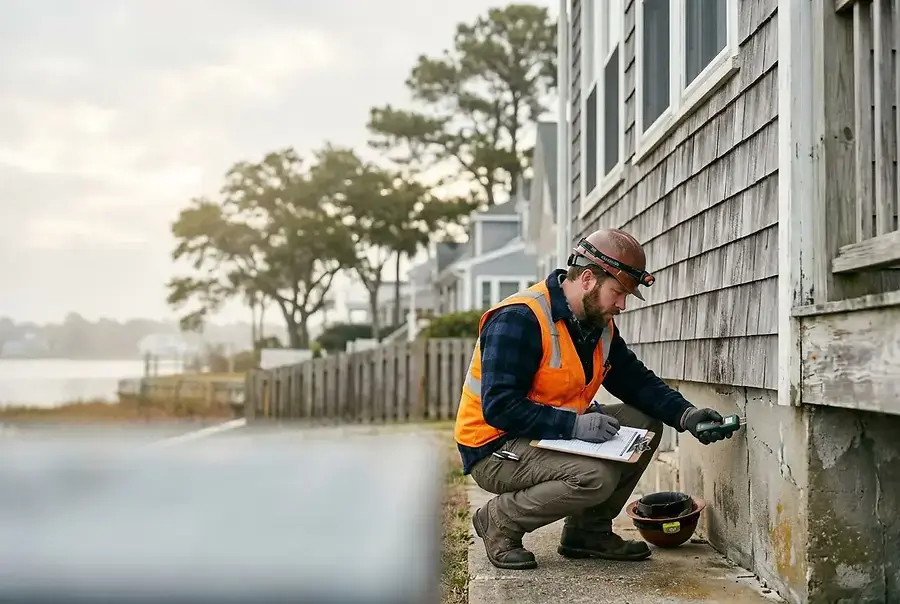
Why Home Inspections Matter in Competitive Markets
In the competitive real estate markets of Norfolk and Virginia Beach, a professional home inspection is one of the most important investments you can make as a buyer. The Hampton Roads region's unique coastal environment, combined with the fast-paced nature of today's housing market, makes thorough inspections essential for protecting your financial interests.
A comprehensive home inspection provides an independent, professional assessment of a property's condition before you commit to a purchase. This detailed evaluation can reveal hidden problems that might not be visible during a casual walkthrough, potentially saving you thousands of dollars in unexpected repairs and renovations down the road.
Why is this particularly important in our region? Hampton Roads properties face unique challenges due to their proximity to water, salt air, and the region's climate. These factors can accelerate wear and tear on homes, making professional evaluation even more critical.
What Professional Inspectors Evaluate: Key Systems and Structural Components
Structural Integrity and Foundation
Professional inspectors begin by examining the foundation and overall structural integrity of the home. They look for:
- Cracks in the foundation or basement walls
- Signs of settling or shifting
- Water damage or moisture intrusion
- Proper grading around the foundation
In the Hampton Roads area, foundation issues can develop more quickly due to the region's soil composition and water table conditions, making this assessment particularly valuable.
Roofing and Exterior Systems
The roof is your home's first line of defense against the elements. Inspectors evaluate:
- Roof age and remaining lifespan
- Shingle condition and potential leaks
- Flashing around chimneys and vents
- Gutters and drainage systems
- Siding condition and weatherproofing
Coastal properties require special attention to these areas, as salt air and moisture can deteriorate roofing materials more rapidly than in inland locations.
Plumbing and Water Systems
A thorough plumbing inspection includes:
- Water pressure and flow testing
- Pipe material and condition assessment
- Drain functionality
- Water heater age and efficiency
- Septic system evaluation (if applicable)
Electrical Systems
Electrical safety is paramount. Inspectors check:
- Panel capacity and condition
- Outlet and switch functionality
- Grounding and bonding
- Code compliance
- Signs of outdated or hazardous wiring
HVAC and Climate Control
Heating, ventilation, and air conditioning systems are evaluated for:
- Age and remaining lifespan
- Proper operation and efficiency
- Ductwork condition
- Thermostat functionality
Red Flags to Watch for in Coastal Properties: Moisture, Salt Damage, and Foundation Issues
Moisture and Water Damage
Moisture is the enemy of coastal homes. Professional inspectors pay special attention to:
- Water stains on ceilings and walls
- Mold or mildew growth
- Soft spots in flooring or subfloors
- Basement or crawlspace dampness
- Inadequate ventilation in bathrooms and kitchens
In Norfolk and Virginia Beach, where humidity levels are naturally high, moisture management is critical. Poor ventilation or existing water damage can lead to expensive remediation costs and health concerns.
Salt Damage and Corrosion
The salt air in Hampton Roads can cause accelerated corrosion of metal components. Look for:
- Rust on metal fixtures, railings, and hardware
- Corroded HVAC units or outdoor equipment
- Deteriorated metal roof components
- Damaged metal flashing around chimneys and vents
Salt damage can be expensive to repair and may indicate that the property requires more frequent maintenance than typical inland homes.
Foundation and Soil Issues
Hampton Roads' unique soil composition and water table create specific foundation challenges:
- Settling or uneven floors
- Cracks in foundation walls or concrete slabs
- Poor drainage around the property
- Signs of previous flooding or water intrusion
Professional inspectors understand these regional issues and know what to look for. They can identify problems that might seem minor but could develop into serious structural concerns over time.
Using Inspection Results to Negotiate and Make Informed Decisions
Understanding Your Inspection Report
A comprehensive inspection report will categorize findings by severity. Typically, issues are classified as:
- Critical: Safety hazards or major structural problems requiring immediate attention
- Major: Significant repairs needed within the near future
- Minor: Maintenance items or cosmetic issues
Take time to review the report thoroughly and ask your inspector to explain any findings you don't understand.
Negotiation Strategies
Inspection results provide leverage in negotiations. You have several options:
- Request repairs: Ask the seller to fix critical and major issues before closing
- Request credits: Negotiate a price reduction to cover repair costs yourself
- Request inspections: For major issues, ask for specialized inspections by licensed contractors
- Walk away: If problems are too extensive, you may choose to terminate the contract
In competitive markets like Norfolk and Virginia Beach, having inspection results in hand gives you concrete data to support your negotiating position.
Making Your Final Decision
Use inspection results alongside other factors to make an informed decision:
- Consider the age of the home and expected maintenance costs
- Evaluate whether critical issues can be resolved affordably
- Factor in the overall market conditions and property value
- Consult with your real estate agent and lender about implications
A professional home inspection is not just a formality—it's your opportunity to make a confident, informed decision about one of the largest investments of your life.
Next Steps
After receiving your inspection report, schedule a follow-up conversation with your inspector to discuss findings in detail. For any major issues identified, consider obtaining quotes from licensed contractors to understand repair costs. This information will be invaluable as you negotiate with the seller and finalize your purchase decision.
By taking home inspections seriously and understanding what professionals are evaluating, you're taking control of your real estate investment and protecting your financial future in the Hampton Roads market.