Home Inspection Essentials for North Central Connecticut Buyers
Learn what to look for during inspections to protect your investment in Enfield, Suffield, Windsor Locks, Granby, and East Granby.

Introduction: Why Home Inspections Matter in Connecticut's Real Estate Market
Purchasing a home is one of the most significant financial decisions you'll make in your lifetime. In North Central Connecticut's competitive real estate market—spanning communities like Enfield, Suffield, Windsor Locks, Granby, and East Granby—a thorough home inspection is your best defense against costly surprises after closing. A professional home inspection provides an objective assessment of a property's condition, identifying potential issues before you commit to the purchase.
Many first-time homebuyers underestimate the importance of inspections, viewing them as an optional expense. However, a comprehensive inspection can reveal hidden problems that could cost thousands to repair. From structural concerns to mechanical failures, inspectors serve as your advocate, ensuring you have all the information needed to make an informed decision about your investment.
Common Issues Found in North Central Connecticut Homes and How to Spot Them
Roof and Attic Concerns
Connecticut's climate, with its cold winters and occasional severe weather, takes a toll on roofing systems. Look for missing or damaged shingles, signs of water stains in the attic, and deteriorated flashing around chimneys and vents. Many homes in the region are 20-30 years old, and roofs typically last 15-25 years, making replacement a common expense for buyers.
Foundation and Moisture Issues
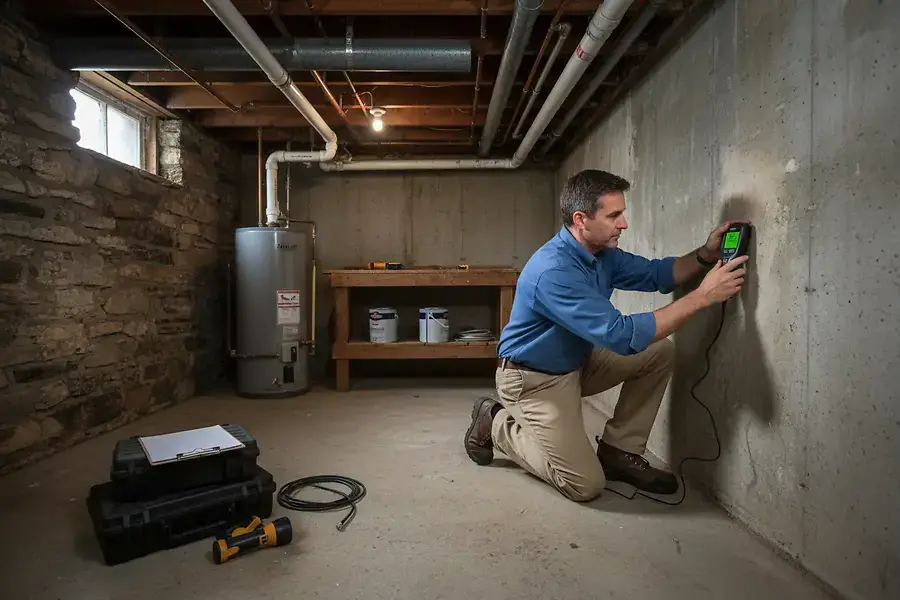
The North Central Connecticut region's soil composition and groundwater levels make foundation and moisture problems particularly common. Watch for cracks in the foundation, efflorescence (white mineral deposits), and signs of water intrusion in basements. Humidity and dampness can lead to mold growth, which poses health risks and requires professional remediation.
HVAC Systems and Heating
Given the region's cold winters, heating systems are critical. Inspectors will evaluate:
- Age and condition of furnaces and boilers
- Proper ventilation and carbon monoxide safety
- Ductwork integrity and insulation
- Air conditioning unit functionality
Older heating systems may be inefficient and costly to operate, making replacement budgets essential for buyers.
Plumbing and Water Systems
Many homes in Enfield, Suffield, and surrounding areas have aging plumbing systems. Inspectors check for galvanized pipes (prone to corrosion), water pressure issues, and proper drainage. Additionally, water quality testing may reveal concerns with well water in properties outside municipal systems.
Electrical Systems
Outdated electrical panels, insufficient outlets, and aluminum wiring are issues found in older Connecticut homes. Inspectors verify that the electrical system meets current safety codes and can handle modern household demands. Knob-and-tube wiring, if present, is a significant safety concern requiring replacement.
Pest and Wood Damage
Termites, carpenter ants, and wood rot are prevalent in Connecticut's humid climate. Professional inspectors look for:
- Evidence of termite or insect activity
- Soft or damaged wood in structural areas
- Proper ventilation in crawl spaces
- Adequate grading to prevent water accumulation near foundations
Working with Local Inspectors: What Buyers Should Know and Ask
Choosing the Right Inspector
Not all home inspectors are created equal. Verify that your inspector is licensed by the state of Connecticut and holds certifications from organizations like the American Society of Home Inspectors (ASHI). Ask for references and review their experience with homes similar to the one you're purchasing.
Questions to Ask Before Hiring
Before committing to an inspector, inquire about:
- Their inspection process and how long inspections typically take
- Whether they use specialized equipment (thermal imaging, moisture meters)
- What's included in their written report
- Their availability to answer questions during the inspection
- Experience with homes in your specific North Central Connecticut community
Attending the Inspection
Always attend your home inspection in person. This allows you to ask questions, understand concerns firsthand, and learn about the home's systems. Inspectors appreciate engaged buyers and can provide valuable insights about maintenance and repairs.
Understanding the Report
A comprehensive inspection report should detail findings in clear, understandable language. Reports typically categorize issues by severity—from minor cosmetic concerns to major structural problems. Pay special attention to items marked as "safety hazards" or "major repairs needed." These findings often become negotiation points with sellers.
Follow-Up Inspections
For significant issues, consider hiring specialists. Structural engineers, pest control experts, and HVAC technicians can provide detailed assessments that help you understand repair costs and timelines. This information is invaluable when negotiating repairs or price adjustments with the seller.
Conclusion: Making Informed Decisions Through Thorough Home Inspections
A home inspection is an investment in peace of mind and financial protection. In North Central Connecticut's real estate market, where homes range from historic properties to newer constructions, inspections reveal the true condition of your potential investment. By understanding what inspectors look for, asking the right questions, and actively participating in the process, you empower yourself to make informed decisions.
Remember: the cost of a professional inspection is minimal compared to the potential expenses of undiscovered problems. Whether you're buying in Enfield, Suffield, Windsor Locks, Granby, or East Granby, a thorough home inspection is an essential step toward protecting your investment and ensuring your new home is safe, sound, and ready for your family.
Take the time to do it right—your future self will thank you.