Home Inspection Essentials for North Shore Residential Buyers
Discover what savvy homebuyers in Arlington Heights, Mount Prospect, and Des Plaines should know before making their purchase.

Understanding the Home Inspection Process
A home inspection is one of the most important steps in the homebuying journey. This comprehensive evaluation examines the structural integrity, mechanical systems, and overall condition of a property. For buyers in Arlington Heights, Mount Prospect, and Des Plaines, understanding what happens during an inspection can help you make informed decisions about your investment.
During a typical home inspection, a licensed inspector will spend 2-3 hours examining the property from top to bottom. They'll evaluate the roof, foundation, plumbing, electrical systems, HVAC units, and interior components. The inspector will document their findings in a detailed report that becomes your roadmap for negotiations and future maintenance.
What to Expect During the Inspection
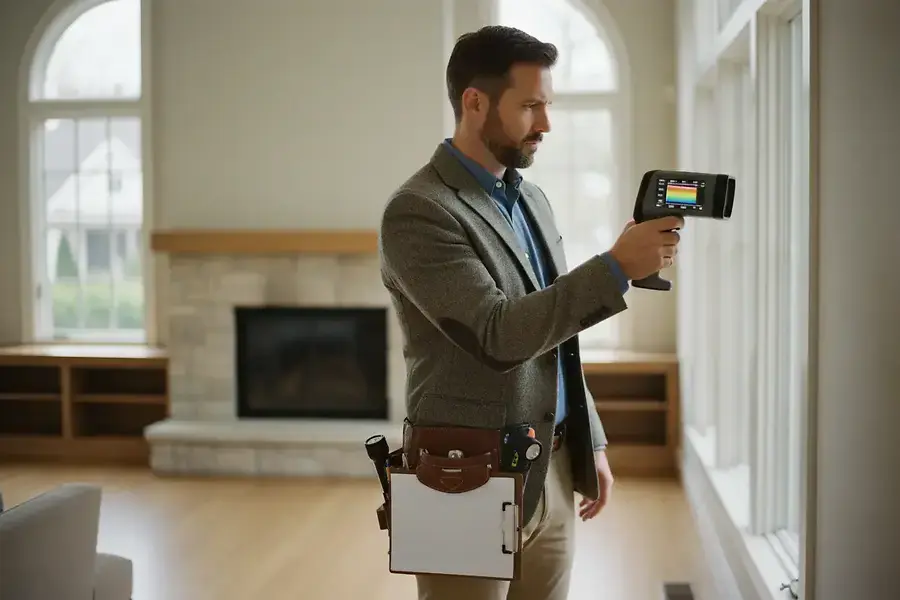
The inspector will use specialized tools and equipment to assess the home's condition. They may use thermal imaging cameras to detect moisture issues, moisture meters to check for water damage, and electrical testers to verify proper wiring. You have the right to be present during the inspection, and it's highly recommended that you attend. This gives you the opportunity to ask questions and understand potential issues firsthand.
The inspection typically covers:
- Roof condition and remaining lifespan
- Foundation and structural integrity
- Plumbing systems and water pressure
- Electrical systems and panel condition
- HVAC systems and efficiency
- Insulation and ventilation
- Windows, doors, and exterior condition
- Basement or crawl space assessment
Common Issues Found in North Shore Properties
North Shore homes, particularly those in Arlington Heights, Mount Prospect, and Des Plaines, often share similar characteristics due to the region's climate and construction history. Understanding common issues can help you anticipate potential problems.
Water Damage and Moisture Issues
The Midwest's freeze-thaw cycles and heavy rainfall make water intrusion a frequent concern. Basement moisture, roof leaks, and foundation cracks are among the most common findings in North Shore inspections. Many older homes in these communities may have outdated drainage systems that struggle with modern precipitation patterns.
Aging HVAC and Plumbing Systems
Homes built in the mid-20th century often contain original or aging mechanical systems. Furnaces, air conditioning units, and water heaters typically last 15-20 years, so inspectors frequently recommend replacements or repairs. Galvanized plumbing pipes, common in older North Shore homes, may show signs of corrosion and reduced water pressure.
Roof and Exterior Concerns
Asphalt shingle roofs, standard in the region, typically need replacement every 20-25 years. Inspectors will assess shingle condition, flashing integrity, and gutter functionality. Additionally, older siding materials and weathered exterior components are common findings in established neighborhoods.
Electrical System Updates
Older homes may have outdated electrical panels with insufficient capacity for modern appliances and devices. Knob-and-tube wiring, found in some vintage properties, poses safety concerns and may affect insurance rates.
How to Prepare for Your Inspection Day
Proper preparation ensures you get the most value from your home inspection investment. Here are essential steps to take before the inspector arrives.
Before the Inspection
- Ensure the home is accessible—unlock all doors, gates, and storage areas
- Clear pathways to the attic, basement, and crawl spaces
- Request utility access information from the seller
- Gather documentation on recent repairs or upgrades
- Make a list of specific concerns or areas you want the inspector to focus on
During the Inspection
Stay engaged throughout the process. Ask questions about findings and request explanations for any concerns. Take photos of problem areas and note the inspector's observations. Request clarification on repair costs and timelines—this information will be valuable during negotiations.
Pay special attention to major systems like the roof, foundation, and HVAC. These are typically the most expensive components to repair or replace. Understanding their current condition helps you budget for future maintenance.
After the Inspection
Review the inspection report thoroughly before making any decisions. Don't hesitate to ask your real estate agent or inspector to clarify technical terms or findings. Some issues may require follow-up inspections by specialists, such as structural engineers or pest control professionals.
Using Inspection Results to Negotiate Better Deals
The inspection report is your most powerful negotiation tool. Armed with detailed findings, you can approach price negotiations or repair requests strategically.
Prioritizing Issues
Not all inspection findings carry equal weight. Categorize issues into three groups:
- Critical Issues: Safety concerns or major system failures requiring immediate attention
- Important Issues: Significant repairs needed within the next few years
- Minor Issues: Cosmetic or routine maintenance items
Negotiation Strategies
Use your inspection report to request price reductions, seller repairs, or repair escrow accounts.
Focus negotiations on critical and important issues rather than minor concerns—sellers are more likely to respond favorably to reasonable requests backed by professional documentation.
Obtain repair estimates from licensed contractors for major issues. These estimates provide concrete numbers for your negotiations and demonstrate that you've done your homework. In North Shore communities, where homes are significant investments, sellers often appreciate buyers who approach negotiations professionally and fairly.
Making Your Final Decision
The inspection report should inform your final purchase decision. If major repairs are needed, consider whether you're comfortable with the costs and timeline. Some buyers choose to proceed with the purchase and handle repairs themselves, while others request seller concessions or walk away from the deal.
Remember: No home is perfect. The goal of a home inspection is to ensure you understand what you're buying and can make an informed decision about your investment in Arlington Heights, Mount Prospect, Des Plaines, or elsewhere on the North Shore.


