Home Inspection Essentials for Philadelphia and Bala Cynwyd Buyers
Discover what to look for during a home inspection to protect your investment in these competitive Pennsylvania markets.

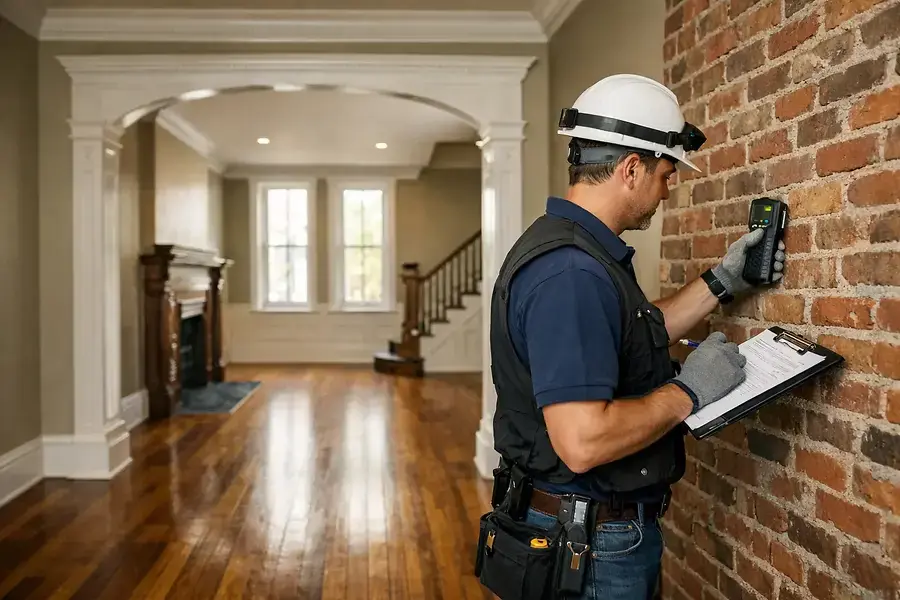
Why Home Inspections Matter in Your Purchase
Purchasing a home is one of the most significant financial decisions you'll make in your lifetime. In competitive markets like Philadelphia and Bala Cynwyd, where properties move quickly and bidding wars are common, it's easy to get caught up in the excitement and overlook critical details. A professional home inspection is your safeguard against costly surprises down the road.
A thorough home inspection provides an objective assessment of a property's condition, identifying potential issues before you commit to the purchase. This knowledge empowers you to make informed decisions, negotiate repairs or credits, and budget for future maintenance. In Pennsylvania's real estate market, where older homes with unique architectural features are prevalent, inspections are particularly valuable.
Key Areas Inspectors Examine in Philadelphia and Bala Cynwyd Homes
Structural Integrity and Foundation
Inspectors carefully evaluate the foundation, basement, and crawl spaces for signs of settling, cracks, water intrusion, or structural damage. In Philadelphia, many homes date back to the 1800s and early 1900s, making foundation assessment especially important. Look for horizontal cracks, bowing walls, or moisture accumulation, which can indicate serious structural issues.
Roofing and Exterior
The roof is one of your home's most critical protective barriers. Inspectors assess shingle condition, flashing integrity, gutters, and downspouts. They'll check for missing or damaged shingles, improper drainage, and signs of age. A roof replacement can cost $10,000 to $25,000 or more, so understanding its remaining lifespan is crucial.
Plumbing Systems
Water damage is a common issue in older Pennsylvania homes. Inspectors test water pressure, check for leaks, examine pipe materials, and assess water heater condition. Galvanized pipes, common in homes built before the 1970s, may need replacement. They'll also verify that the home has adequate drainage and that sewage systems function properly.
Electrical Systems
A safe electrical system is non-negotiable. Inspectors verify that the panel is properly grounded, check for outdated wiring, and ensure outlets and switches function correctly. Many older Philadelphia homes still have knob-and-tube wiring or aluminum wiring, both of which pose fire hazards and may require upgrading.
HVAC and Climate Control
Heating and cooling systems are essential in Pennsylvania's variable climate. Inspectors evaluate furnace and air conditioning unit age, efficiency, and functionality. They'll check ductwork for leaks and ensure proper ventilation throughout the home.
Interior Conditions
Inspectors examine walls, ceilings, floors, and windows for damage, moisture, or pest evidence. They assess insulation levels, check for mold or mildew, and verify that doors and windows operate smoothly. In Bala Cynwyd and surrounding areas, radon testing is often recommended due to geological factors.
Red Flags and How to Negotiate After Inspection Results
Major Red Flags to Watch For
- Water damage or mold: Indicates potential structural problems and health hazards
- Roof damage or age: Replacement costs are substantial and urgent
- Foundation cracks: Especially horizontal cracks or signs of movement
- Outdated electrical systems: Fire hazards requiring professional remediation
- HVAC system failure: Expensive replacements needed before winter
- Plumbing issues: Burst pipes or sewage problems are costly to repair
- Pest infestation: Termites or rodents can cause extensive damage
Negotiation Strategies
Once you receive inspection results, you have several options. Request repairs: Ask the seller to fix major issues before closing. Request credits: Negotiate a reduction in the purchase price to cover repairs you'll handle yourself. Request inspections: For significant issues, ask the seller to provide their own inspector's report.
In Philadelphia and Bala Cynwyd's competitive markets, sellers may resist extensive repair requests. Be strategic—prioritize safety issues and major systems over cosmetic concerns. Your real estate agent can help you understand what's reasonable to request based on local market conditions and comparable sales.
When to Walk Away
Sometimes, inspection results reveal problems too extensive or expensive to justify the purchase price. It's better to walk away than to inherit a money pit. If repairs exceed 10-15% of the purchase price or involve major structural issues, seriously reconsider your offer.
Making Informed Decisions Before Closing
A home inspection is an investment in peace of mind. Typically costing $300 to $500, it's a small price compared to the protection it provides. Choose a licensed, experienced inspector familiar with Pennsylvania homes and the specific characteristics of Philadelphia and Bala Cynwyd properties.
Don't skip the inspection even if the home appears to be in excellent condition. Many issues aren't visible to the untrained eye. Attend the inspection if possible—ask questions and take notes. Request a detailed written report that you can review carefully.
Remember: A home inspection isn't about finding reasons to back out of a deal—it's about making an informed decision with full knowledge of what you're purchasing. This knowledge protects your investment and helps you plan for future maintenance and repairs.
By understanding what inspectors look for and how to respond to their findings, you'll navigate the home buying process with confidence. In Pennsylvania's real estate market, informed buyers make better decisions and enjoy their homes for years to come.


