Home Inspection Essentials for Philadelphia and Warrington Buyers
Protect your investment with a comprehensive guide to what inspectors look for and how to interpret their findings.

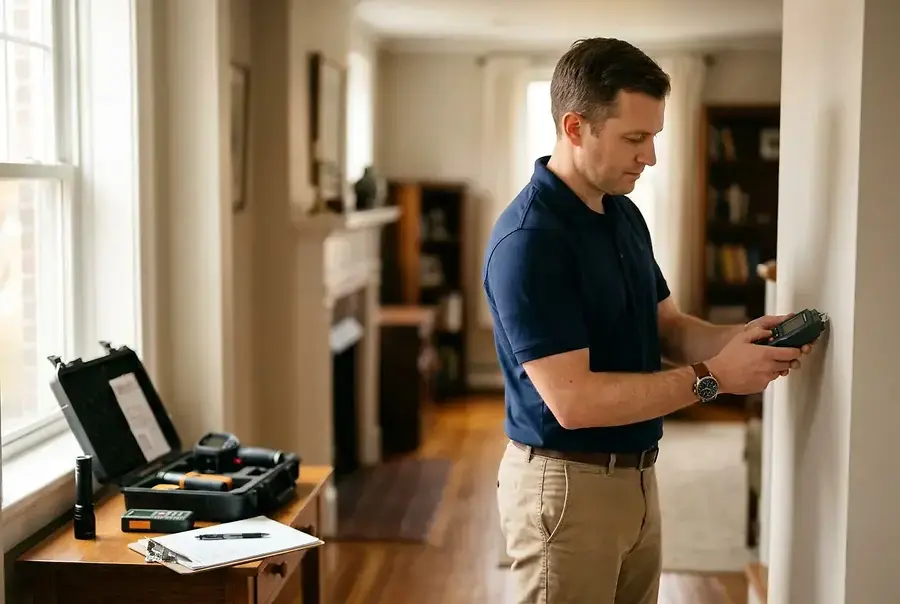
Understanding the Home Inspection Process: What to Expect and Why It Matters
Purchasing a home is one of the most significant financial decisions you'll make. A professional home inspection is your opportunity to uncover potential issues before you commit to the purchase. In Philadelphia and Warrington, where properties range from historic row homes to modern suburban residences, a thorough inspection is essential.
A typical home inspection takes 2-4 hours and involves a certified inspector examining the property's major systems and components. You have the right to be present during the inspection, and it's highly recommended that you attend. This allows you to ask questions and understand any concerns firsthand.
The inspector will provide a detailed written report documenting their findings. This report becomes your roadmap for negotiating repairs or credits with the seller, making it a critical tool in your purchasing process.
Critical Areas Inspectors Evaluate in Philadelphia and Warrington Properties
Structural Components
Inspectors carefully examine the foundation, walls, and roof structure. In Philadelphia's older neighborhoods, settling and foundation cracks are common concerns. Warrington properties may show different wear patterns depending on their age and construction type. Look for signs of water damage, mold, or structural movement in the inspection report.
Roofing and Exterior
The roof is one of your home's most expensive components. Inspectors assess:
- Shingle condition and remaining lifespan
- Flashing around chimneys and vents
- Gutters and downspouts
- Siding condition and water intrusion risks
- Windows and doors for proper sealing
Regional weather patterns in the Philadelphia area can accelerate roof deterioration, making this assessment particularly important.
Plumbing Systems
Inspectors test water pressure, check for leaks, and evaluate the type of plumbing materials used. Older Philadelphia properties may have outdated galvanized pipes that could require replacement. They'll also inspect:
- Water heater age and condition
- Sump pump functionality (if present)
- Drainage systems and grading
Electrical Systems
A safe electrical system is non-negotiable. Inspectors verify that the panel is properly grounded, check for outdated wiring, and ensure outlets are functioning correctly. Knob-and-tube wiring or aluminum wiring in older homes may require professional evaluation or replacement.
HVAC Systems
Heating and cooling systems are tested for proper operation. The inspector documents the age of equipment and notes any maintenance concerns. In the Philadelphia region's variable climate, a well-functioning HVAC system is essential for comfort and energy efficiency.
Interior Components
Inspectors evaluate:
- Insulation levels in attic and walls
- Ventilation and moisture control
- Flooring condition
- Doors, windows, and hardware
- Presence of asbestos or lead paint (particularly important in older homes)
How to Review Your Inspection Report and Negotiate Repairs
Understanding the Report
Inspection reports typically categorize findings as major concerns, minor concerns, or maintenance recommendations. Major concerns require immediate attention and can significantly impact your decision. Minor concerns are typically cosmetic or easily addressable. Maintenance recommendations help you plan for future upkeep.
Don't panic if your report identifies issues—most homes have some concerns. The key is understanding their severity and cost implications.
Prioritizing Issues
Focus on structural, safety, and system issues first. A roof leak or electrical problem takes priority over cosmetic concerns. Consider the cost of repairs and whether they're within your budget or negotiating power.
Negotiation Strategies
You have several options when issues are discovered:
- Request repairs: Ask the seller to fix issues before closing
- Request credits: Receive a credit at closing to handle repairs yourself
- Request price reduction: Negotiate a lower purchase price to account for repairs
- Walk away: If issues are too severe or costly, you may have an out clause
In competitive Philadelphia and Warrington markets, be strategic about which issues you negotiate. Focus on significant problems that affect safety, functionality, or long-term value.
Getting Second Opinions
For major concerns, consider hiring a specialist. A structural engineer, electrician, or plumber can provide detailed assessments and repair cost estimates, strengthening your negotiating position.
Next Steps: Using Inspection Results to Make Your Final Purchase Decision
Evaluating the Big Picture
Review the inspection report alongside your budget, timeline, and long-term plans for the property. Ask yourself:
- Can I afford the necessary repairs?
- Am I willing to take on renovation projects?
- Does this property still meet my needs and goals?
- Is the price fair given the property's condition?
Making Your Decision
Use the inspection as an information tool, not necessarily a deal-breaker. Many homes have issues that are manageable and expected given their age. What matters is understanding what you're buying and making an informed decision.
Work closely with your real estate agent and consider consulting with a real estate attorney to understand your options and obligations based on your specific purchase agreement.
Moving Forward
Once you've addressed inspection concerns through negotiation or acceptance, you're one step closer to closing. Keep the inspection report for your records—it's valuable documentation for future reference, insurance claims, or warranty purposes.
A thorough home inspection protects your investment and gives you peace of mind. By understanding what inspectors evaluate and how to interpret their findings, you're empowered to make the best decision for your Philadelphia or Warrington home purchase.