Home Inspection Essentials for Port Saint Lucie and Palm Beach Gardens Buyers
Discover what every homebuyer should know about inspections to protect their investment and avoid costly surprises.

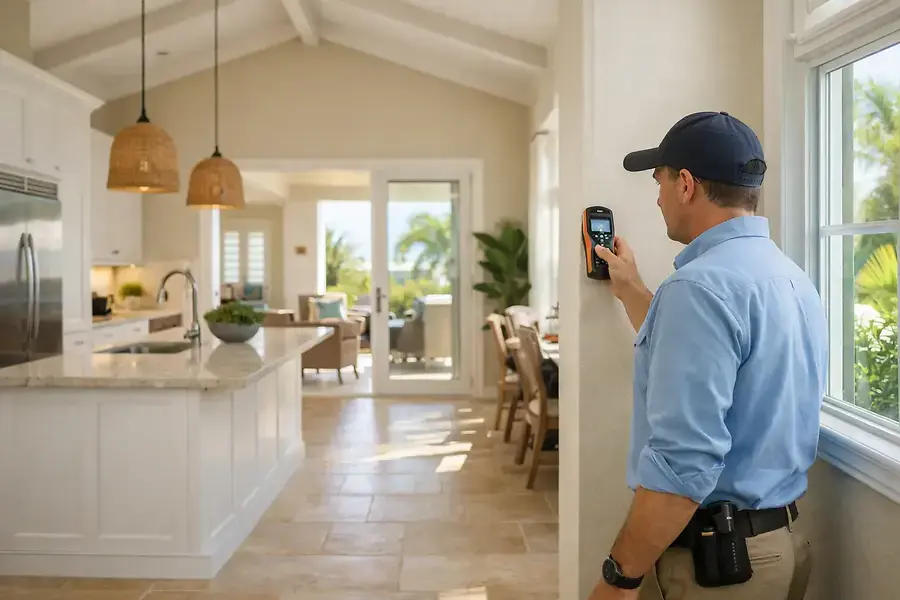
Understanding the Home Inspection Process and Why It Matters
A home inspection is one of the most important steps in the homebuying process, yet many buyers underestimate its value. In Port Saint Lucie and Palm Beach Gardens, where properties face unique environmental challenges, a thorough inspection can reveal issues that might cost thousands to repair later.
During a standard home inspection, a certified inspector examines the property's structural integrity, electrical systems, plumbing, HVAC systems, roofing, and more. The process typically takes 2-4 hours and results in a detailed report highlighting any defects or areas of concern. This inspection gives you leverage to negotiate repairs or credits before closing, protecting your investment from day one.
What Inspectors Look For
Professional inspectors evaluate:
- Foundation and structural components
- Roof condition and remaining lifespan
- Electrical wiring and panel safety
- Plumbing systems and water pressure
- HVAC functionality and maintenance history
- Windows, doors, and weatherproofing
- Insulation and ventilation
- Appliances and built-in systems
Common Issues Found in South Florida Properties and How to Address Them
South Florida's tropical climate and coastal location create specific challenges for homeowners. Understanding these common issues helps you prepare for potential repairs and maintenance costs.
Water Damage and Moisture Problems
The humid subtropical climate makes moisture intrusion a frequent problem. Look for signs of water stains, mold, or soft spots in walls and ceilings. These issues often develop around windows, doors, and roof penetrations. Addressing moisture problems early prevents costly structural damage and health hazards.
Roof and Hurricane Preparedness
Roofs in Port Saint Lucie and Palm Beach Gardens endure intense sun, salt air, and hurricane-force winds. Inspectors check for missing shingles, deterioration, and proper installation. A roof nearing the end of its lifespan may require replacement within a few years, so factor this into your budget.
Salt Corrosion and Metal Degradation
Coastal properties face accelerated corrosion of metal components, including air conditioning units, electrical fixtures, and metal framing. Regular maintenance and protective coatings help extend the life of these systems.
Plumbing and Water Quality Issues
Older homes may have outdated plumbing systems prone to leaks and corrosion. Inspectors test water pressure and check for signs of leaks. Upgrading to modern plumbing can improve water quality and prevent emergency repairs.
Red Flags to Watch For and Questions to Ask Your Inspector
Not all inspection findings are equal. Some issues require immediate attention, while others are minor cosmetic concerns. Knowing which red flags demand action helps you make informed decisions.
Critical Red Flags
- Foundation cracks or settling – Structural issues are expensive and complex to repair
- Electrical hazards – Outdated wiring, improper grounding, or overloaded panels pose fire risks
- Mold or extensive water damage – These indicate ongoing moisture problems requiring professional remediation
- Roof damage or age – Roofs over 20 years old typically need replacement soon
- HVAC system failure – Replacement costs $5,000-$15,000 in South Florida
- Plumbing issues – Corroded pipes or sewage problems require immediate attention
Questions to Ask Your Inspector
Don't hesitate to ask detailed questions about findings:
- What is the estimated cost to repair this issue?
- Is this a safety concern or cosmetic problem?
- How urgent is this repair?
- What is the remaining lifespan of major systems?
- Are there any signs of previous repairs or patches?
- What maintenance will this system require going forward?
Getting a Second Opinion
For major concerns, consider hiring a specialist. If the inspector finds potential foundation issues, hire a structural engineer. For electrical concerns, consult a licensed electrician. These specialists provide detailed assessments that strengthen your negotiating position.
Using Inspection Results to Negotiate and Make Confident Purchase Decisions
The inspection report is your roadmap for negotiations. Armed with detailed findings, you can approach the seller with specific requests rather than vague concerns.
Negotiation Strategies
You have three main options when issues are discovered:
- Request repairs – Ask the seller to fix critical issues before closing
- Request credits – Receive a credit toward closing costs to handle repairs yourself
- Renegotiate price – Lower the purchase price to account for necessary repairs
The best approach depends on the severity of issues and your comfort level with repairs. For major structural or system problems, requesting seller repairs ensures professional work with warranties. For minor issues, credits give you flexibility to choose contractors.
Making Your Final Decision
Review the inspection report carefully and discuss findings with your real estate agent.
Remember: no home is perfect, but you should understand exactly what you're buying and what maintenance lies ahead.
Consider the total cost of ownership, including necessary repairs, ongoing maintenance, and potential future issues. In Port Saint Lucie and Palm Beach Gardens, budget for regular maintenance due to the climate's demands. A property with minor cosmetic issues but solid systems is often a better investment than one with hidden structural problems.
Moving Forward with Confidence
A thorough home inspection transforms you from a passive buyer into an informed decision-maker. You'll understand the property's true condition, anticipate future expenses, and negotiate from a position of knowledge. This confidence protects your investment and ensures you're making one of the most important financial decisions of your life with complete information.
Don't skip the inspection or rush through it. Take time to understand the findings, ask questions, and make decisions based on facts rather than emotions. Your future self will thank you for the diligence you invest today.


