Home Inspection Essentials for Rancho Cordova, Wheatland, and Roseville
Learn what to look for during inspections to protect your residential investment in these Sacramento-area communities.

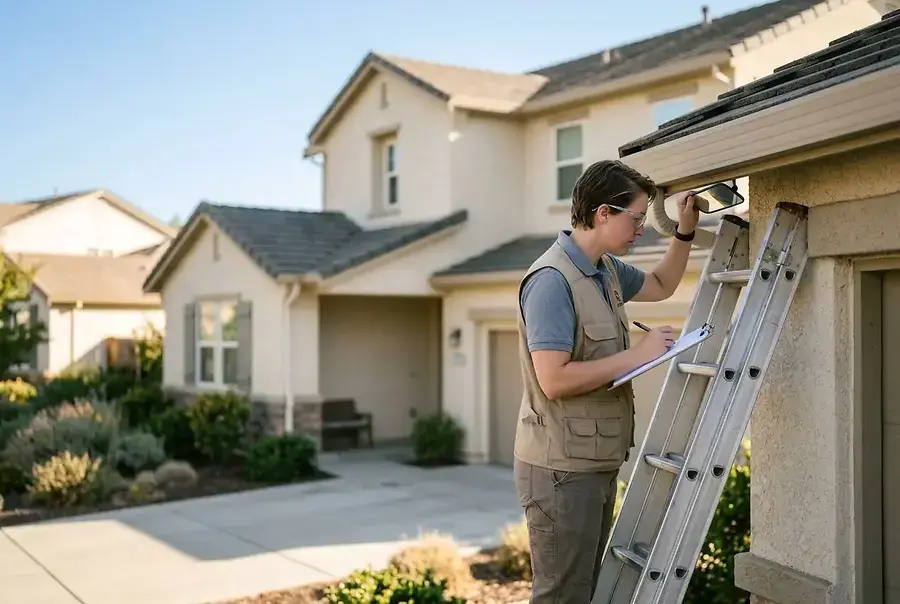
Why Home Inspections Matter in the Local Market
Purchasing a home is one of the most significant financial decisions you'll make in your lifetime. In the Sacramento-area communities of Rancho Cordova, Wheatland, and Roseville, the real estate market is competitive and dynamic. A thorough home inspection is your best defense against costly surprises and hidden defects that could drain your finances after closing.
Home inspections provide an objective assessment of a property's condition, from the foundation to the roof. In these communities, where homes range from newer developments to established neighborhoods, understanding what inspectors look for can mean the difference between a sound investment and a money pit. An inspection report gives you the leverage to negotiate repairs or price adjustments before you commit to the purchase.
Key Areas Inspectors Examine in Sacramento-Area Homes
Structural Integrity and Foundation
The foundation is the backbone of any home. Inspectors carefully examine the foundation for cracks, settling, and water damage—issues that are particularly important in the Sacramento region due to soil composition and seasonal moisture changes. Look for signs of foundation movement, such as cracks in walls or doors that don't close properly.
Roofing and Attic Conditions
Sacramento-area homes experience intense summer heat and occasional winter storms. Inspectors assess roof age, shingle condition, flashing integrity, and ventilation. The attic is checked for proper insulation, moisture intrusion, and signs of pest activity. A roof nearing the end of its lifespan could require replacement within a few years—a major expense you need to anticipate.
Electrical Systems
Outdated electrical systems are common in older homes throughout these communities. Inspectors verify that the electrical panel is properly grounded, check for adequate capacity, and ensure outlets and switches function correctly. Older homes may have aluminum wiring or insufficient grounding—safety hazards that require professional remediation.
Plumbing and Water Systems
Water quality and plumbing integrity are critical concerns. Inspectors test water pressure, check for leaks, examine pipe materials, and assess the water heater's condition. In areas with hard water, mineral buildup can affect system longevity. They also verify that the septic system (if applicable) is functioning properly and has been maintained.
HVAC Systems
Heating, ventilation, and air conditioning systems are essential in the Sacramento region's climate. Inspectors evaluate furnace and air conditioning unit age, efficiency, and functionality. They check ductwork for leaks and ensure proper airflow throughout the home. A failing HVAC system can cost thousands to replace.
Insulation and Weatherization
Proper insulation affects energy efficiency and comfort. Inspectors assess attic insulation levels, wall insulation, and weatherstripping around doors and windows. In the Sacramento area's hot summers and mild winters, adequate insulation helps maintain comfortable temperatures and reduces utility bills.
Interior and Exterior Conditions
Inspectors examine walls, ceilings, and floors for water damage, mold, and structural issues. Exterior elements like siding, gutters, downspouts, and grading are evaluated to ensure proper water drainage away from the foundation. Decks and patios are checked for safety and structural soundness.
Red Flags and Deal-Breakers to Watch For
Water Damage and Mold
Water intrusion is a serious concern in any home. Signs include staining on ceilings or walls, soft spots in flooring, or a musty odor. Mold growth indicates moisture problems that require professional remediation. These issues can be expensive and pose health risks to your family.
Pest Infestations
Termites, carpenter ants, and rodents can cause significant structural damage. Look for evidence of pest activity, including droppings, damaged wood, or mud tubes. Professional pest inspections may be warranted if the home inspector suspects infestation.
Outdated or Unsafe Electrical Systems
Aluminum wiring, knob-and-tube wiring, or an undersized electrical panel are serious safety hazards. These systems may not meet current building codes and could require expensive upgrades. Insurance companies may refuse to cover homes with certain electrical deficiencies.
Roof Issues
A roof that's nearing the end of its lifespan or shows signs of damage is a major red flag. Roof replacement costs can exceed $10,000 or more, depending on the home's size and materials. Ask for the roof's age and condition assessment in the inspection report.
Foundation Problems
Significant foundation cracks, settling, or water intrusion are deal-breakers for many buyers. Foundation repairs are expensive and complex. If the inspector identifies serious foundation issues, consider having a structural engineer provide a second opinion before proceeding.
HVAC System Failure
An aging or non-functional heating or cooling system requires immediate attention. In the Sacramento area's climate, a working HVAC system is essential for comfort and home value. Budget for replacement if the system is near the end of its expected lifespan.
Plumbing Problems
Galvanized pipes, polybutylene plumbing, or evidence of leaks are concerns. These materials may fail prematurely, leading to water damage and costly repairs. Ask the inspector about the plumbing system's age and material composition.
Taking Control of Your Home Purchase
A professional home inspection is a critical step in the home-buying process. In Rancho Cordova, Wheatland, and Roseville, where the market is active and diverse, understanding what inspectors examine helps you make informed decisions.
Here are key steps to maximize your inspection:
- Hire a qualified inspector: Choose a licensed, experienced home inspector with knowledge of Sacramento-area properties and local building codes.
- Attend the inspection: Being present allows you to ask questions and see issues firsthand.
- Review the report carefully: Don't just skim the summary—read detailed findings and understand the severity of any issues identified.
- Get professional opinions: For major concerns, hire specialists like structural engineers, electricians, or pest control professionals.
- Negotiate wisely: Use inspection findings to request repairs, credits, or price reductions before closing.
- Plan for maintenance: Even in homes without major issues, budget for regular maintenance to prevent future problems.
Your home inspection is an investment in peace of mind and financial security. By understanding what inspectors look for and recognizing red flags, you're taking control of your home purchase and protecting your investment in these vibrant Sacramento-area communities. Don't skip this crucial step—it could save you thousands of dollars and countless headaches down the road.