Home Inspection Essentials for Richardson and DFW Buyers
Master the critical inspection points that protect your investment in today's competitive residential market.

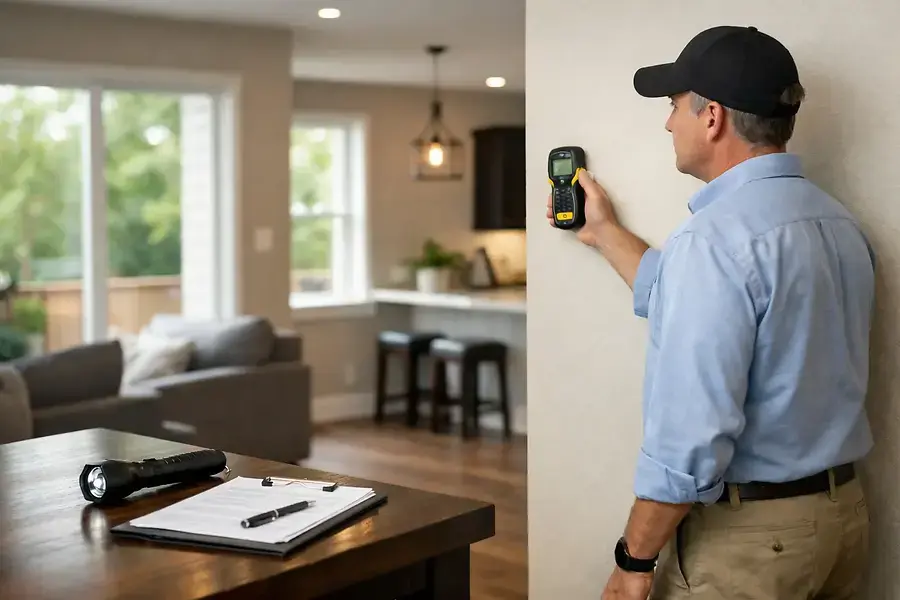
Why Home Inspections Matter in Richardson
Purchasing a home is one of the most significant financial decisions you'll make in your lifetime. In the Richardson and Dallas-Fort Worth area, where the real estate market moves quickly and competition among buyers remains fierce, a professional home inspection serves as your critical safeguard. A thorough inspection can reveal hidden issues that might cost thousands to repair, giving you the leverage to negotiate better terms or walk away from a problematic property.
Many buyers in the DFW region skip or rush through inspections to stay competitive, but this approach often leads to regret. A comprehensive home inspection typically costs between $300 and $500, a small investment compared to the potential cost of undiscovered structural damage, electrical hazards, or plumbing failures. Understanding what inspectors look for helps you ask the right questions and make informed decisions.
Critical Areas to Evaluate During Your Home Inspection
Structural Integrity and Foundation
The foundation is the backbone of any home. In Richardson, where soil conditions can vary significantly, foundation issues are particularly important to assess. During your inspection, look for:
- Visible cracks in the foundation or basement walls
- Uneven or sloping floors
- Gaps between walls and the foundation
- Signs of water damage or moisture intrusion
Foundation repairs can easily exceed $10,000, making this one of the most critical inspection areas.
Roof and Attic Condition
The roof protects everything beneath it. Your inspector should examine:
- Age and condition of roofing materials
- Signs of leaks or water stains in the attic
- Proper ventilation and insulation levels
- Flashing around chimneys and vents
- Gutters and downspout functionality
A roof replacement can cost $8,000 to $15,000 or more, depending on the size and materials used.
Electrical Systems
Outdated or faulty electrical systems pose serious safety risks. Your inspection should verify:
- Proper grounding and bonding
- Adequate circuit capacity for modern appliances
- No double-tapped breakers or reverse polarity
- GFCI outlets in bathrooms and kitchens
- Updated electrical panel and wiring
Electrical upgrades are non-negotiable for safety and should be addressed before closing.
Plumbing and Water Systems
Water-related issues can lead to mold, structural damage, and health hazards. Inspectors evaluate:
- Water pressure and flow rates
- Pipe material and condition (galvanized, copper, PEX)
- Signs of leaks or water damage
- Sump pump functionality (if applicable)
- Water heater age and condition
- Septic system status (for properties outside city limits)
HVAC Systems
Heating and cooling systems are essential in the Texas climate. Your inspector should check:
- Age and maintenance history of units
- Proper airflow and ductwork condition
- Thermostat functionality
- Filter accessibility and condition
Interior and Exterior Conditions
Don't overlook the details. Inspectors examine:
- Windows and doors for proper operation and sealing
- Exterior siding, trim, and paint condition
- Deck or patio structural integrity
- Basement or crawl space moisture issues
- Appliance functionality
Red Flags and Deal-Breakers Every Buyer Should Recognize
Mold and Moisture Problems
Mold is a serious health concern and can indicate deeper moisture issues. If you see visible mold or smell musty odors, request a professional mold assessment before proceeding. Remediation can be expensive and complex.
Pest Infestations
Termites, rodents, and other pests can cause structural damage and health issues. Look for droppings, damaged wood, or pest control company records. Termite damage alone can cost $3,000 to $8,000 to repair.
Outdated or Hazardous Materials
Homes built before the 1980s may contain asbestos, lead paint, or other hazardous materials. These require professional remediation and can significantly impact your budget.
Major System Failures
If the roof, HVAC system, electrical panel, or plumbing requires immediate replacement, factor these costs into your offer.
A failed inspection doesn't necessarily mean you should walk away—it means you have negotiating power.
Poor Drainage and Water Intrusion
Water damage is one of the most expensive problems to fix. Signs include:
- Basement flooding or standing water
- Water stains on walls or ceilings
- Efflorescence (white mineral deposits) on foundation walls
- Inadequate grading around the foundation
Making Informed Decisions with Inspection Data
Once you receive your inspection report, take time to understand the findings. Request clarification from your inspector on any items you don't understand, and prioritize issues by severity and cost.
Use the inspection results to negotiate with the seller. You have three main options:
- Request repairs: Ask the seller to fix critical issues before closing
- Request credits: Negotiate a price reduction to cover repair costs yourself
- Walk away: If issues are too severe or costly, you have the right to terminate the contract
In the competitive Richardson and DFW market, a professional home inspection is your best defense against costly surprises. By understanding what to look for and recognizing red flags, you'll make confident, informed decisions that protect your investment for years to come.


