Home Inspection Essentials for Saint Louis and Chesterfield Buyers
What you need to know before closing on your residential property in the Saint Louis metro area.

Introduction: Why Home Inspections Matter in This Market
Purchasing a home is one of the most significant investments you'll make in your lifetime. In the Saint Louis and Chesterfield area, where the real estate market continues to evolve, a thorough home inspection is not just recommended—it's essential. A professional home inspection provides you with an independent assessment of your potential property's condition, helping you understand what you're truly buying and protecting yourself from costly surprises down the road.
Whether you're a first-time homebuyer or an experienced investor, understanding the inspection process and knowing what to look for can mean the difference between finding your dream home and inheriting a money pit. This guide will walk you through the essentials of home inspections specific to the Saint Louis metro area.
Key Areas Inspectors Focus On in Midwest Homes
Foundation and Structural Integrity
In the Midwest, foundation issues are particularly common due to soil composition and seasonal freeze-thaw cycles. Inspectors will examine:
- Cracks in the foundation walls and floors
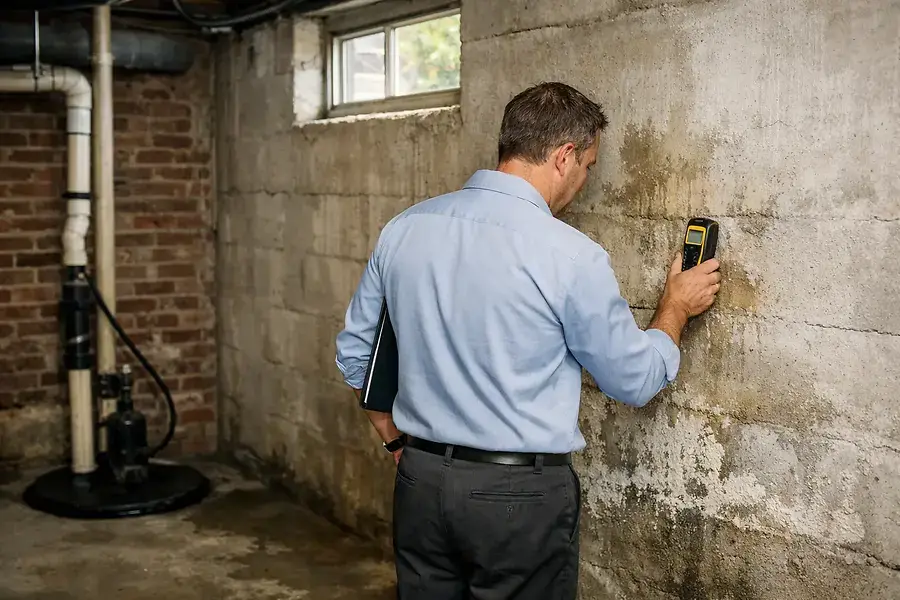
- Signs of water intrusion or moisture damage
- Settling or shifting of the structure
- Basement wall bowing or deterioration
The clay-heavy soil in the Saint Louis region can expand and contract significantly with moisture changes, making foundation assessment critical.
Roofing and Exterior
Your roof is your home's first line of defense against the elements. Inspectors evaluate:
- Roof age and remaining lifespan
- Missing, damaged, or curling shingles
- Flashing condition around chimneys and vents
- Gutter and downspout functionality
- Exterior siding condition and water damage
Midwest weather patterns, including heavy rains and occasional severe storms, make a solid roof essential for protecting your investment.
HVAC Systems
Heating and cooling systems work overtime in the Saint Louis area due to temperature extremes. Inspectors check:
- Age and condition of furnace and air conditioning units
- Proper ventilation and ductwork integrity
- Thermostat functionality
- Maintenance records and service history
Plumbing and Water Systems
Water-related issues can be expensive and damaging. Professional inspectors examine:
- Water pressure and flow rates
- Pipe material and condition (galvanized, copper, PVC)
- Signs of leaks or water damage
- Water heater age and functionality
- Sump pump operation in basements
Electrical Systems
Safety is paramount when it comes to electrical systems. Inspectors look for:
- Panel capacity and breaker condition
- Proper grounding and bonding
- Outdated wiring (knob-and-tube, aluminum)
- GFCI outlets in wet areas
- Adequate outlet coverage
Red Flags to Watch For in Saint Louis and Chesterfield Properties
Water Damage and Moisture Issues
This is the most common problem in the region. Look for:
- Staining on ceilings or walls
- Musty odors in basements or crawl spaces
- Efflorescence (white mineral deposits) on foundation walls
- Evidence of previous water damage repairs
Ask your inspector about the home's history with water intrusion and whether a sump pump or drainage system is in place.
Outdated or Unsafe Electrical Systems
Older homes in the area may have electrical systems that don't meet current safety standards. Be cautious of:
- Fuse boxes instead of modern circuit breakers
- Knob-and-tube wiring
- Insufficient outlets requiring excessive extension cords
- Aluminum wiring (fire hazard)
Aging HVAC Systems
Systems over 15-20 years old may need replacement soon. Request:
- Maintenance records from the current owner
- Estimates for replacement if systems are near end-of-life
- Information about energy efficiency ratings
Roof Condition and Age
A roof replacement can cost $8,000-$15,000 or more. During inspection, determine:
- The exact age of the current roof
- Whether it's been properly maintained
- If repairs have been made and how they were completed
- Expected remaining lifespan
Foundation Problems
This is a serious concern in the Midwest. Watch for:
- Horizontal cracks (more serious than vertical)
- Bowing walls
- Gaps between the foundation and framing
- Uneven floors or doors that don't close properly
Foundation repairs can be expensive, so this warrants a specialized structural engineer's evaluation if concerns arise.
Asbestos and Lead Paint
Homes built before the 1980s may contain asbestos in insulation, floor tiles, or roofing materials. Homes built before 1978 likely have lead-based paint. While not always dangerous if undisturbed, these materials should be documented and properly managed.
Conclusion: Making Confident Offers with Inspection Knowledge
A comprehensive home inspection is your opportunity to make an informed decision about one of life's biggest purchases. In the Saint Louis and Chesterfield area, understanding the specific challenges that Midwest homes face—particularly water intrusion, foundation issues, and aging systems—puts you in a stronger negotiating position.
Remember these key takeaways:
- Always hire a licensed, experienced inspector familiar with the local area
- Attend the inspection in person and ask questions
- Request detailed written reports with photos
- Use inspection findings to negotiate repairs or credits with the seller
- Don't skip specialized inspections (radon, mold, structural) if red flags appear
By understanding what inspectors look for and knowing the common issues in your region, you'll be equipped to make confident offers and avoid costly mistakes. Your home inspection is an investment in peace of mind and financial security.