Home Inspection Essentials for Saint Louis and Chesterfield Buyers
Discover the critical inspection points that protect your investment in Missouri's most sought-after residential markets.

Why Home Inspections Matter in Today's Competitive Market
In the fast-paced real estate markets of Saint Louis and Chesterfield, buyers often feel pressured to make quick decisions. However, skipping or rushing through a home inspection is a costly mistake that could leave you with unexpected repair bills and safety concerns. A comprehensive home inspection is your opportunity to uncover potential issues before you commit to one of the largest purchases of your life.
The competitive nature of these sought-after Missouri neighborhoods means homes can sell quickly, but that doesn't mean you should bypass due diligence. A professional inspector acts as your advocate, examining every major system and structural component to ensure you're making an informed decision. Whether you're a first-time buyer or an experienced investor, understanding what inspectors look for can save you thousands of dollars.
Key Areas to Inspect: Structural, Systems, and Hidden Issues
Foundation and Structural Integrity
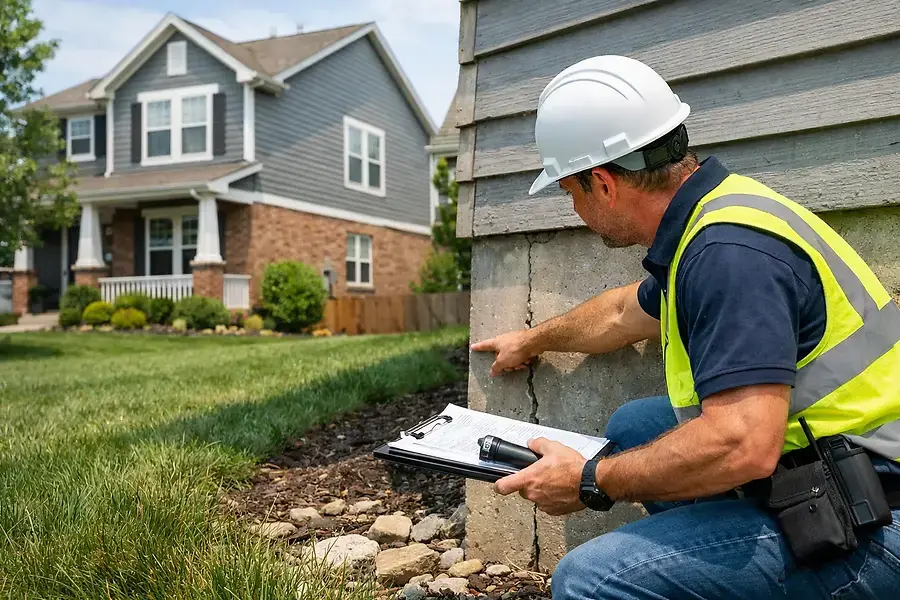
The foundation is the backbone of any home. Inspectors will look for cracks, settling, water damage, and signs of foundation movement. In Saint Louis and Chesterfield, where soil composition and moisture levels vary, foundation issues are particularly important to assess. Look for:
- Horizontal or diagonal cracks in basement walls
- Bowing or leaning walls
- Water stains or active moisture
- Gaps between walls and floors
These issues can range from minor cosmetic concerns to serious structural problems requiring expensive repairs.
Roof and Exterior Systems
Your roof protects everything beneath it, making its condition critical. Inspectors examine shingle condition, flashing, gutters, and drainage systems. They'll assess the roof's age and remaining lifespan, which typically ranges from 15 to 25 years depending on materials. Don't overlook:
- Missing or damaged shingles
- Improper ventilation
- Gutter functionality and cleanliness
- Chimney condition and safety
- Exterior siding and trim deterioration
A failing roof in a Saint Louis or Chesterfield home can lead to interior water damage that affects insulation, framing, and living spaces.
Plumbing and Water Systems
Water-related issues are among the most expensive to repair. Professional inspectors test water pressure, check for leaks, and evaluate the age and condition of pipes. They'll examine:
- Water heater age and functionality
- Visible pipe corrosion or deterioration
- Drain functionality and potential blockages
- Sump pump operation (if applicable)
- Water quality and pressure issues
Older homes in these neighborhoods may have outdated plumbing materials that require replacement, which is important information for your decision-making process.
Electrical Systems
Electrical safety is non-negotiable. Inspectors verify that the electrical panel is properly sized, circuits are appropriately protected, and outlets are safely grounded. They'll check for:
- Outdated or dangerous wiring (like aluminum wiring)
- Insufficient outlets and circuit capacity
- Missing ground fault circuit interrupters (GFCIs)
- Proper grounding and bonding
- Panel labeling and organization
Electrical issues can pose fire hazards and should be addressed before closing.
HVAC and Climate Control
Heating and cooling systems are essential for comfort and can be expensive to replace. Inspectors evaluate the age, efficiency, and operational condition of furnaces, air conditioners, and ventilation systems. They assess:
- System age and expected remaining lifespan
- Proper airflow and ductwork condition
- Thermostat functionality
- Maintenance history and cleanliness
In Missouri's climate, reliable HVAC systems are crucial for year-round comfort.
Hidden Issues and Environmental Concerns
Beyond visible systems, inspectors look for mold, asbestos, radon, and pest damage. These hidden hazards can affect your health and require specialized remediation. Common concerns include:
- Mold growth in basements, attics, or bathrooms
- Asbestos in insulation, flooring, or roofing materials
- Radon gas accumulation (a known carcinogen)
- Termite or pest damage to structural components
- Lead paint in older homes
Many of these issues require additional testing beyond a standard inspection, so discuss concerns with your inspector and consider specialized assessments when needed.
Understanding Inspection Reports and Red Flags
What to Look For in Your Report
A thorough inspection report should be detailed and organized, clearly categorizing findings by severity. Look for sections that distinguish between:
- Safety Issues: Problems that pose immediate danger
- Major Repairs: Significant systems needing replacement or major work
- Minor Issues: Cosmetic or maintenance concerns
- Recommendations: Suggested improvements or further evaluations
Red Flags That Require Action
Certain findings should prompt serious consideration or negotiation. Don't ignore these warning signs:
- Foundation cracks or water intrusion
- Roof nearing end of life or showing active leaks
- Outdated electrical systems or safety hazards
- Plumbing issues or water damage
- HVAC systems requiring imminent replacement
- Evidence of mold, pests, or environmental hazards
Use these findings to negotiate repairs, credits, or price adjustments with the seller before closing.
Making Informed Decisions Before Closing
A home inspection is an investment in peace of mind. In competitive markets like Saint Louis and Chesterfield, it's easy to feel rushed, but taking time to understand your inspection report is crucial. Ask your inspector questions, request clarification on technical terms, and don't hesitate to seek second opinions on major concerns.
Use the inspection as a negotiation tool. If significant issues are discovered, you have leverage to request repairs, credits, or price reductions. Some buyers choose to walk away from deals when inspection findings reveal problems that exceed their comfort level or budget.
Remember: A thorough home inspection protects your investment and gives you the information needed to make confident decisions about one of life's most important purchases.
By understanding what inspectors evaluate and what red flags mean, you'll be better equipped to navigate the home buying process in Missouri's competitive real estate market. Don't let the pressure to close quickly override the importance of a comprehensive inspection—your future self will thank you.


