Home Inspection Essentials for Seattle, Everett & Edmonds Buyers
Discover what professional inspectors look for and how to protect your investment in Seattle, Everett, and Edmonds properties.

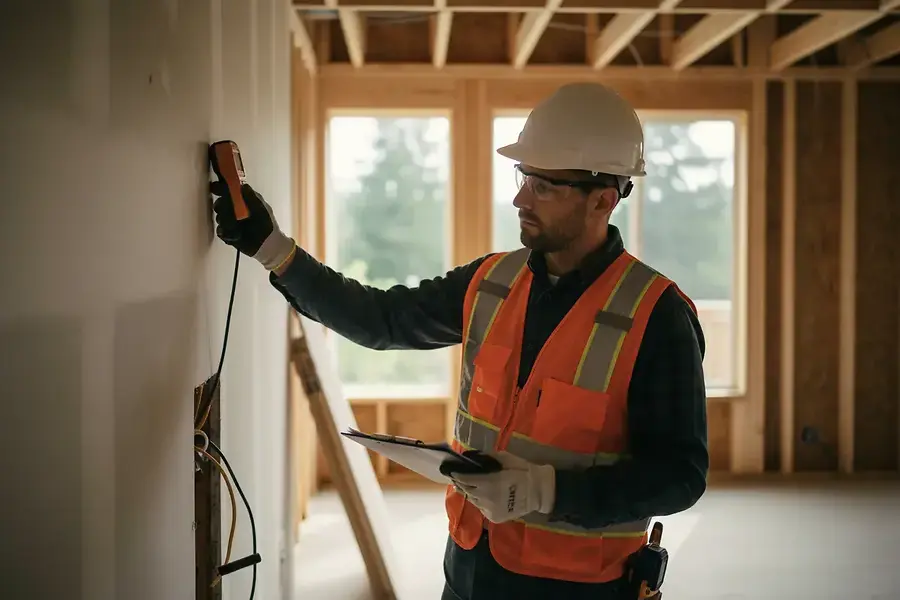
Why Home Inspections Matter in the Seattle Area Market
Purchasing a home is one of the most significant financial decisions you'll make, especially in the competitive Seattle, Everett, and Edmonds real estate markets. A professional home inspection is your safeguard against hidden problems that could cost thousands of dollars in repairs after closing. In the Pacific Northwest, where moisture and weather conditions create unique challenges, inspections are particularly crucial.
The Seattle area's older housing stock, combined with our rainy climate, means that properties are susceptible to issues like water damage, mold, and foundation problems. A thorough inspection provides you with a detailed understanding of your potential home's condition before you commit to the purchase. This knowledge empowers you to make informed decisions and protects your investment from day one.
What Inspectors Examine: Key Areas and Red Flags
Structural Components
Professional inspectors begin by evaluating the home's foundation, framing, and overall structural integrity. In the Seattle area, inspectors pay special attention to:
- Foundation cracks and settling – particularly important in older homes
- Basement moisture and water intrusion – a common issue in our wet climate
- Roof condition and age – critical in an area with significant rainfall
- Exterior walls and siding – checking for rot and weather damage
Plumbing and Water Systems
Water-related issues are among the most expensive problems to fix. Inspectors examine:
- Pipe materials and condition (galvanized pipes are a red flag in older homes)
- Water pressure and flow rates
- Drain functionality and potential blockages
- Water heater age and condition
- Signs of leaks or water damage throughout the property
Electrical Systems
A safe electrical system is non-negotiable. Inspectors look for:
- Panel capacity and condition – outdated panels may need upgrading
- Grounding and bonding – essential for safety
- Outlet and switch functionality – testing throughout the home
- Outdated wiring – aluminum wiring is a particular concern in some Seattle-area homes
HVAC and Ventilation
Heating and cooling systems are vital in our climate. Inspectors evaluate:
- Furnace or heat pump age and efficiency
- Air conditioning functionality (if present)
- Ductwork condition and insulation
- Ventilation systems and moisture control
Interior Conditions
Inspectors thoroughly examine interior spaces, including:
- Mold and mildew – especially in bathrooms, basements, and crawl spaces
- Insulation levels – important for energy efficiency in our climate
- Windows and doors – checking for proper sealing and operation
- Flooring and wall conditions – looking for signs of water damage or settling
Using Inspection Reports to Negotiate Better Deals
Understanding Your Report
A comprehensive inspection report will categorize findings by severity. Major issues require immediate attention, while minor concerns may be addressed over time. Understanding this distinction helps you prioritize negotiations.
Negotiation Strategies
Once you receive your inspection report, you have several options:
- Request repairs – Ask the seller to fix major issues before closing
- Request credits – Negotiate a reduction in the purchase price to cover repairs yourself
- Request inspections – For major issues, ask for specialized inspections (foundation, mold, etc.)
- Walk away – If issues are too extensive, you may choose to terminate the contract
In the Seattle, Everett, and Edmonds markets, sellers often expect inspection-based negotiations. Be reasonable in your requests – focusing on significant structural or safety issues rather than cosmetic concerns will strengthen your negotiating position.
Getting Specialized Inspections
If the general inspection reveals potential problems, consider hiring specialists:
- Mold inspectors – Essential if moisture issues are suspected
- Foundation engineers – For structural concerns
- Pest inspectors – To check for termites and other wood-destroying insects
- Radon testers – Important in certain areas of the Pacific Northwest
Moving Forward with Confidence After Your Inspection
Creating a Maintenance Plan
Even after a successful inspection and negotiation, your work isn't finished. Use the inspection report as a maintenance guide for your first years of ownership. Items noted as "aging" or "nearing end of life" should be budgeted for replacement within the next few years.
Prioritizing Repairs and Upgrades
Work with your inspector and contractor to prioritize work:
- Safety issues first – Electrical, structural, or health hazards
- Water intrusion prevention – Critical in our climate
- System efficiency – Upgrades that improve energy performance
- Cosmetic improvements – Address these last
Building Your Home Care Routine
Prevention is always more cost-effective than repair. Establish regular maintenance habits:
- Clean gutters and downspouts regularly
- Check for signs of water intrusion, especially in basements and crawl spaces
- Monitor your foundation for new cracks
- Service your HVAC system annually
- Test your plumbing regularly for leaks
Final Thoughts
A professional home inspection is an investment in peace of mind and financial security. By understanding what inspectors look for, using their findings to negotiate effectively, and maintaining your home properly, you're setting yourself up for long-term success as a homeowner in the Seattle, Everett, or Edmonds area. Don't skip this crucial step – your future self will thank you.