Home Inspection Essentials for Shaker Heights and Cleveland Buyers
Discover what professional inspectors look for and how to protect your investment in Northeast Ohio's competitive housing market.

Why Home Inspections Matter in Shaker Heights and Cleveland
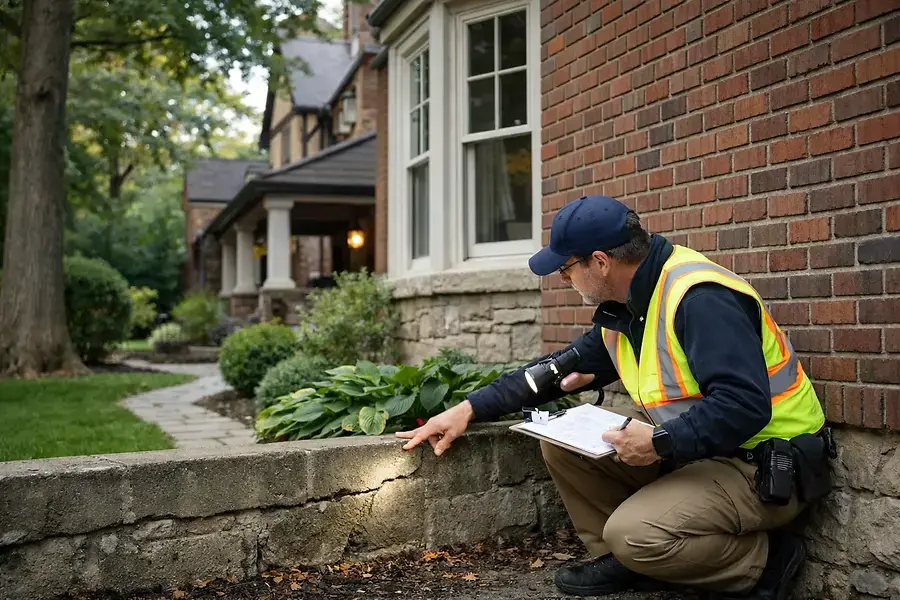
Purchasing a home is one of the most significant financial decisions you'll make, and in the competitive housing markets of Shaker Heights and Cleveland, it's crucial to protect your investment. A professional home inspection serves as your safeguard, providing an objective assessment of a property's condition before you commit to the purchase.
Northeast Ohio's housing stock includes many historic and well-established neighborhoods with older homes that carry unique characteristics and potential challenges. Whether you're buying a charming Victorian in Shaker Heights or a classic brick home in Cleveland's established neighborhoods, a thorough inspection can reveal hidden issues that might not be apparent during a casual walkthrough.
Beyond identifying problems, a comprehensive inspection report gives you leverage in negotiations. Armed with detailed findings, you can request repairs, credits, or adjust your offer price accordingly. This knowledge transforms you from a vulnerable buyer into an informed decision-maker.
What Inspectors Evaluate: Key Areas and Common Issues in Older Ohio Homes
Structural Integrity and Foundation
Inspectors begin by assessing the home's foundation and overall structural integrity. In older Cleveland and Shaker Heights homes, they look for:
- Cracks in basement walls or floors
- Signs of water intrusion or moisture damage
- Settling or shifting of the structure
- Deterioration of mortar between bricks
Many homes in this region were built on clay soil, which can shift seasonally. This natural movement sometimes causes minor cracks, but inspectors distinguish between cosmetic issues and serious structural concerns.
Roofing Systems
The roof is your home's first line of defense against Ohio's variable weather. Inspectors examine:
- Shingle condition and remaining lifespan
- Flashing around chimneys and vents
- Gutters and downspout functionality
- Signs of leaks or water damage in attic spaces
- Proper ventilation to prevent ice dams
Northeast Ohio's freeze-thaw cycles can be particularly harsh on roofing materials. A roof that appears fine from the ground might have hidden damage that becomes apparent only during a professional inspection.
Heating, Ventilation, and Air Conditioning (HVAC)
Ohio winters demand reliable heating systems. Inspectors evaluate:
- Age and condition of furnaces and air conditioning units
- Proper operation and safety of heating systems
- Ductwork integrity and insulation
- Carbon monoxide detector presence and functionality
- Thermostat operation
Older homes in Shaker Heights and Cleveland may have outdated systems that are expensive to operate. Understanding the age and condition helps you budget for potential replacements.
Electrical Systems
Inspectors assess the home's electrical infrastructure, including:
- Panel capacity and condition
- Presence of outdated knob-and-tube wiring
- Proper grounding and bonding
- GFCI outlets in appropriate locations
- Overall safety compliance
Plumbing and Water Systems
Water-related issues are among the most costly to repair. Inspectors check:
- Pipe materials and condition (galvanized, copper, PVC)
- Water pressure and flow
- Drain functionality
- Water heater age and condition
- Signs of leaks or water damage
Red Flags to Watch For: Foundation, Roofing, and HVAC Concerns
Foundation Red Flags
Horizontal cracks in basement walls are more concerning than vertical ones and may indicate serious structural issues. Bowing walls suggest pressure from soil or water, requiring immediate professional evaluation. Persistent moisture or standing water in basements points to drainage problems that could lead to mold and structural damage.
If an inspector identifies foundation concerns, request a structural engineer's evaluation before proceeding with your purchase.
Roofing Red Flags
Missing or curling shingles indicate the roof is nearing the end of its lifespan. Sagging roof lines suggest structural issues or inadequate support. Visible light in the attic means gaps in the roof covering. Mold or mildew growth indicates moisture problems that could spread throughout the home.
A roof replacement in Ohio typically costs $8,000 to $15,000 or more, depending on size and materials. Understanding the roof's condition is essential for your financial planning.
HVAC Red Flags
Systems over 15 years old are approaching the end of their serviceable life. Rust or corrosion on furnaces or air conditioning units indicates deterioration. Unusual noises during operation suggest mechanical problems. Inconsistent heating or cooling may indicate failing components or ductwork issues.
A new furnace installation costs $3,000 to $5,000, while air conditioning systems run $4,000 to $8,000. These are significant expenses that should factor into your offer.
Additional Concerns in Northeast Ohio Homes
Asbestos and lead paint are common in older homes and require professional remediation. Radon gas is a natural concern in Ohio basements and should be tested. Outdated electrical systems may not safely handle modern appliance loads.
Using Inspection Reports to Make Confident Offers
A professional inspection report is your roadmap to making an informed decision. Here's how to use it effectively:
Prioritize Issues by Severity
Inspectors typically categorize findings as safety concerns, major repairs, or minor maintenance items. Focus negotiations on safety issues and major repairs that could cost thousands to address.
Request Repairs or Credits
After receiving the inspection report, you have options: request the seller make repairs before closing, ask for a credit to handle repairs yourself, or renegotiate the purchase price. In Shaker Heights and Cleveland's competitive market, sellers may be reluctant to make repairs, making credits a practical alternative.
Obtain Contractor Estimates
For significant issues, get written estimates from licensed contractors. This documentation strengthens your negotiating position and ensures you understand the true cost of repairs.
Don't Skip the Walk-Through
Attend the inspection if possible. Ask the inspector questions and understand the findings firsthand. This knowledge proves invaluable when making your final decision.
A thorough home inspection is an investment in peace of mind. In Northeast Ohio's dynamic real estate market, this professional assessment protects your financial interests and ensures you're making a confident, informed purchase decision. Whether you're buying your first home or your fifth, never skip this critical step.


