Home Inspection Essentials for Southwest Chicago Suburb Buyers
Master the critical inspection checklist that protects your investment in Illinois residential properties.

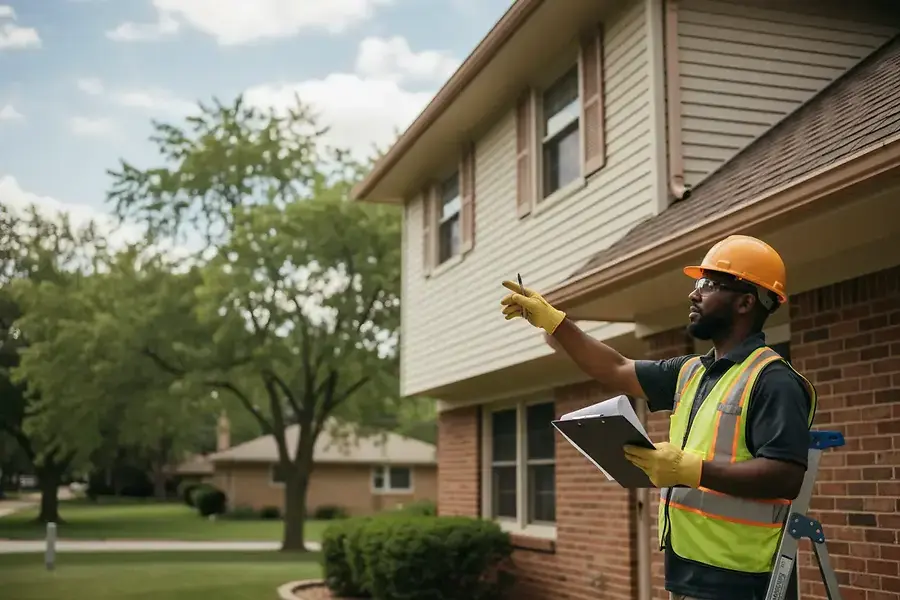
Understanding the Home Inspection Process and Why It Matters
Purchasing a home is one of the most significant financial decisions you'll make. In the Southwest Chicago suburbs, where the real estate market moves quickly, a professional home inspection is your safeguard against costly surprises. A thorough inspection provides an objective assessment of a property's condition and helps you understand what you're truly investing in.
A standard home inspection typically takes 2-3 hours and covers the entire property, both inside and out. The inspector will examine everything from the foundation to the roof, documenting their findings in a detailed report. This report becomes your roadmap for negotiation and your baseline for understanding future maintenance needs.
Why Professional Inspections Are Non-Negotiable
While it might be tempting to skip this step to save money, professional home inspectors are trained to identify issues that untrained eyes miss. They have specialized equipment and knowledge of Illinois building codes and regional construction standards. In the Southwest Chicago area, where many homes were built decades ago, an experienced inspector can spot age-related issues before they become expensive problems.
Key Areas to Evaluate: Structural, Mechanical, and Safety Components
Structural Integrity
The foundation is the backbone of any home. Inspectors will look for cracks, settling, water damage, and signs of foundation movement. In Illinois, where freeze-thaw cycles are common, foundation issues are particularly important to assess. They'll also evaluate:
- Roof condition and remaining lifespan
- Exterior walls and siding for damage or deterioration
- Windows and doors for proper sealing and operation
- Basement or crawl space for moisture and structural concerns
Mechanical Systems
Your home's mechanical systems keep it comfortable and functional. A thorough inspection includes:
- HVAC System: Age, efficiency, and maintenance history of heating and cooling units
- Plumbing: Water pressure, drainage, pipe materials, and potential corrosion issues
- Electrical System: Panel capacity, grounding, and safety compliance with current codes
- Water Heater: Type, age, and condition of the unit
In Southwest Chicago suburbs, many homes have older systems that may still function but are approaching the end of their lifespan. Understanding the age and condition of these systems helps you budget for future replacements.
Safety Components
Safety features protect your family and your investment. Inspectors verify:
- Presence and functionality of smoke and carbon monoxide detectors
- Proper grounding and GFCI outlets in wet areas
- Handrails on stairs and decks
- Safe storage of hazardous materials
- Proper ventilation in bathrooms and kitchens
Red Flags and Deal-Breakers Every Buyer Should Know
Serious Structural Issues
Foundation cracks that are wider than 1/4 inch, bowing walls, or significant settling can indicate serious problems requiring expensive repairs. These issues may affect the home's insurability and resale value. Similarly, roof damage or a roof nearing the end of its lifespan (typically 20-25 years) represents a major expense.
Water and Moisture Problems
Water intrusion is one of the costliest issues to remediate. Watch for:
- Active leaks or water stains on ceilings and walls
- Mold or mildew growth
- Basement flooding or persistent dampness
- Damaged or missing gutters and downspouts
In the Illinois climate, proper drainage and waterproofing are essential. Addressing these issues early prevents exponential damage.
Outdated or Unsafe Electrical Systems
Knob-and-tube wiring or aluminum wiring in older homes poses fire hazards and may not meet current code requirements. An undersized electrical panel that can't handle modern power demands is another concern. These upgrades can be expensive but are necessary for safety.
HVAC and Plumbing Concerns
A failing heating system in an Illinois winter is more than inconvenient—it's a serious issue. Similarly, galvanized or corroded pipes may need replacement. Polybutylene plumbing, common in homes built in the 1980s-1990s, is prone to failure and should be replaced.
Environmental Hazards
Older homes may contain asbestos, lead paint, or radon. While these don't automatically disqualify a property, they require disclosure and may necessitate remediation or specialized maintenance.
Next Steps: Using Inspection Results to Negotiate and Make Confident Offers
Review the Report Thoroughly
Don't just skim the summary. Read the full inspection report and ask your inspector to explain any concerns. Request clarification on severity levels and estimated repair costs. Understanding the difference between minor maintenance items and major structural issues is crucial.
Get Second Opinions on Major Issues
If the inspection reveals significant problems—especially with the foundation, roof, or electrical system—consider hiring a specialist for a more detailed evaluation. A structural engineer or licensed contractor can provide repair estimates that strengthen your negotiating position.
Develop Your Negotiation Strategy
You have several options when inspection results reveal problems:
- Request repairs: Ask the seller to fix issues before closing
- Request credits: Negotiate a reduction in the purchase price to cover repairs yourself
- Request escrow: Have funds held in escrow to ensure repairs are completed
- Renegotiate or walk away: If issues are too severe, you may choose to exit the deal
In the competitive Southwest Chicago market, your approach depends on market conditions and how much you love the property. However, never let emotions override practical concerns about major structural or safety issues.
Plan for Future Maintenance
Even homes in excellent condition require ongoing maintenance. Use the inspection report to create a maintenance schedule and budget for upcoming expenses. This proactive approach prevents small issues from becoming major problems and protects your investment long-term.
A thorough home inspection is your best defense against costly surprises. By understanding what to look for, recognizing red flags, and using inspection results strategically, you'll make a confident, informed decision about your Southwest Chicago suburb home purchase. Remember: the inspection fee is a small price compared to the protection it provides for your most valuable asset.