Home Inspection Essentials for Tucson, Oro Valley & Marana Buyers
Learn what professional home inspectors look for and how to protect your investment in Arizona's tri-city market.

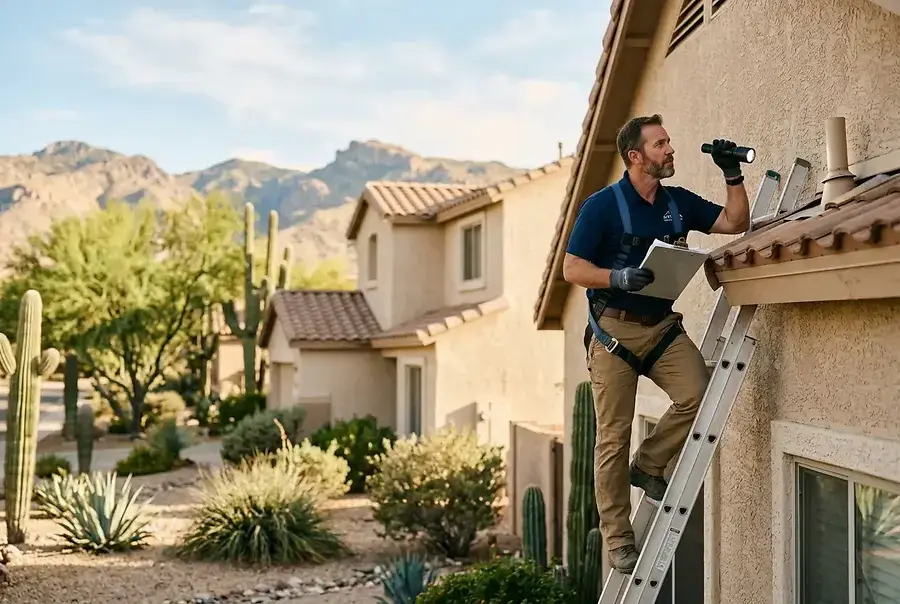
Understanding the Home Inspection Process in Desert Communities
Purchasing a home in Tucson, Oro Valley, or Marana is a significant investment, and a professional home inspection is one of the most critical steps in the buying process. A thorough inspection provides you with detailed information about the property's condition, helping you make an informed decision and avoid costly surprises after closing.
A standard home inspection typically lasts two to three hours and covers all major systems and components of the property. Professional inspectors examine the structural integrity, electrical systems, plumbing, HVAC systems, roofing, foundation, and interior components. In Arizona's desert climate, inspectors pay special attention to elements that are particularly vulnerable to heat and sun exposure.
What to Expect During the Inspection
During the inspection, the professional will systematically evaluate every accessible area of the home. You have the right to be present during the inspection, and it's highly recommended that you attend. This gives you the opportunity to ask questions, understand potential issues, and learn about the property's maintenance needs.
The inspector will document their findings with photographs and detailed notes, which will be compiled into a comprehensive report. This report becomes your roadmap for understanding the home's condition and any necessary repairs or maintenance.
Common Issues Found in Tucson, Oro Valley & Marana Properties
Desert properties in the tri-city area face unique challenges due to Arizona's climate and environmental conditions. Understanding these common issues can help you evaluate inspection reports more effectively.
Roof and Sun Damage
Arizona's intense sun is particularly harsh on roofing materials. Inspectors frequently find:
- Deteriorated or missing shingles
- Cracked or curled roofing materials
- Compromised flashing around vents and chimneys
- Reduced roof lifespan due to UV exposure
Roof inspections are critical in this region, as replacement costs can be substantial.
Foundation and Concrete Issues
The desert's extreme temperature fluctuations cause concrete to expand and contract, leading to:
- Foundation cracks and settling
- Driveway and patio deterioration
- Stucco damage and separation
- Soil movement and subsidence
Minor cracks may be cosmetic, but significant foundation issues require professional evaluation and can affect the home's structural integrity.
HVAC System Strain
Air conditioning systems work overtime in Arizona's heat. Common findings include:
- Aging or inefficient cooling systems
- Inadequate refrigerant levels
- Dirty filters and coils reducing efficiency
- Ductwork leaks and poor insulation
A well-maintained HVAC system is essential for comfort and energy efficiency in the tri-city area.
Water Damage and Plumbing
While Arizona is dry, water damage still occurs through:
- Monsoon-related water intrusion
- Aging plumbing pipes and fixtures
- Poor drainage around the foundation
- Leaking water heaters
Inspectors will check for signs of past or present water damage, including staining, mold, and structural deterioration.
Electrical System Concerns
Older homes in the area may have outdated electrical systems that don't meet current safety standards. Inspectors look for:
- Outdated wiring and panels
- Insufficient outlets and circuits
- Improper grounding
- Fire hazards and code violations
How to Review and Respond to Inspection Reports
Once you receive the inspection report, take time to carefully review it. The report will categorize findings by severity, typically ranging from minor issues to major concerns.
Prioritizing Findings
Not every issue requires immediate action. Focus on:
- Safety hazards that pose immediate risk to occupants
- Structural problems that affect the home's integrity
- Major system failures that require expensive repairs
- Code violations that may prevent future sales or refinancing
Minor cosmetic issues or routine maintenance items can often be addressed after purchase.
Negotiating Based on Inspection Results
Armed with inspection findings, you have several options:
- Request repairs: Ask the seller to fix significant issues before closing
- Request credits: Negotiate a reduction in the purchase price to cover repairs
- Request inspections: Ask for specialized inspections on specific systems
- Walk away: Use inspection results as grounds to terminate the purchase if issues are severe
Your real estate agent can help you determine which approach is most appropriate based on local market conditions and the severity of issues found.
Getting Additional Inspections
For significant concerns, consider hiring specialists:
- Structural engineers for foundation issues
- Roofing contractors for roof concerns
- HVAC technicians for cooling system problems
- Mold inspectors for water damage areas
These specialized inspections provide detailed assessments and repair estimates.
Next Steps: Using Inspection Results in Your Purchase Decision
The inspection report is a valuable tool that extends beyond the negotiation phase. Use it to plan for future maintenance and budget for necessary repairs.
Creating a Maintenance Plan
After closing, prioritize maintenance based on inspection findings. Address any deferred items promptly to prevent small problems from becoming expensive repairs. Keep records of all maintenance and repairs for future reference and resale purposes.
Understanding Long-Term Costs
The inspection report helps you understand the true cost of homeownership in the tri-city area. Factor in the age and condition of major systems when calculating your total investment. A home with newer systems may command a higher price but offer lower maintenance costs.
Making Your Final Decision
Use the inspection report as one of several factors in your purchase decision. Consider the home's location, condition, price, and your long-term plans. A thorough inspection provides peace of mind and protects your investment, ensuring you're making an informed choice about one of the most important purchases of your life.
By understanding what inspectors look for and how to interpret their findings, you're taking control of your home buying experience in Tucson, Oro Valley, and Marana. Work closely with your real estate agent and don't hesitate to ask questions about any findings in the inspection report.


