Home Inspection Essentials for Twin Cities & Wisconsin Buyers
Discover what experienced inspectors look for and how to protect your investment in the greater Minneapolis-St. Paul region.

Why Professional Home Inspections Matter
Purchasing a home is one of the most significant financial decisions you'll make in your lifetime. In the Twin Cities and Wisconsin regions, where weather conditions can be particularly demanding on structures, a professional home inspection is not just recommended—it's essential. A thorough inspection provides you with a detailed understanding of your potential property's condition, helping you avoid costly surprises down the road.
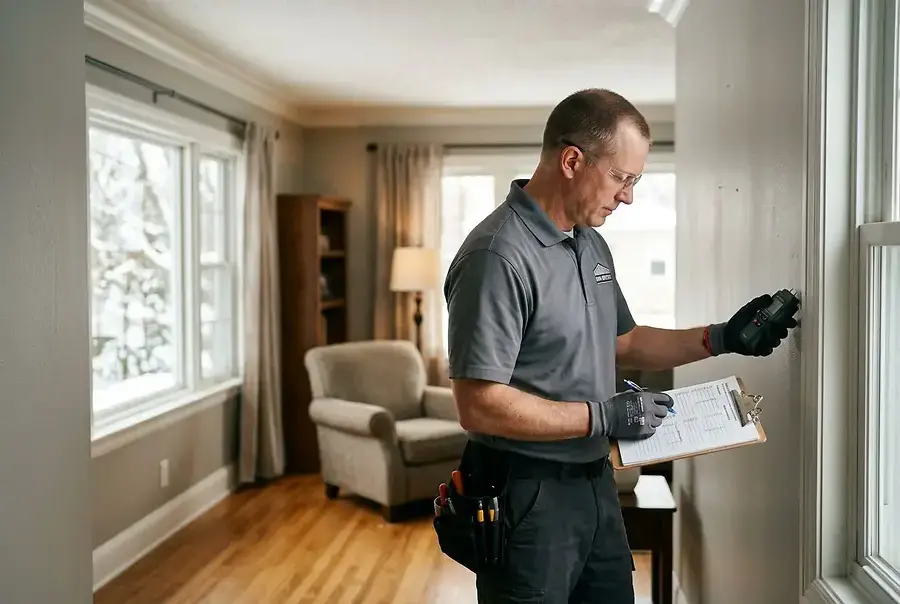
Professional home inspectors bring years of experience and specialized knowledge to evaluate properties systematically. They identify issues that untrained eyes might miss, from hidden water damage to electrical hazards. This investment in a professional inspection typically costs between $300 and $500, but can save you thousands in unexpected repairs and renovations.
Key Areas Professional Inspectors Evaluate
Structural Integrity and Foundation
The foundation is the backbone of any home. Inspectors examine foundations for cracks, settling, and water intrusion—particularly important in the Twin Cities area where freeze-thaw cycles can cause significant damage. They look for:
- Horizontal or vertical cracks in concrete or masonry
- Signs of water seepage or moisture
- Uneven settling or sloping floors
- Deterioration of mortar joints
Roofing and Exterior
Wisconsin and Minnesota winters are harsh on roofing systems. Inspectors evaluate roof condition, including shingle integrity, flashing, gutters, and drainage systems. They assess the age of the roof and estimate remaining lifespan, which is critical for budgeting future replacements.
The exterior also receives careful attention, including:
- Siding condition and water resistance
- Window and door seals
- Proper grading and drainage away from the foundation
- Deck and porch structural soundness
Plumbing Systems
Water-related issues are among the most expensive to repair. Professional inspectors test water pressure, check for leaks, evaluate pipe materials, and assess water heater condition. They look for outdated galvanized pipes, which are common in older Twin Cities homes and prone to corrosion.
Electrical Systems
Safety is paramount when evaluating electrical systems. Inspectors examine the main panel, circuit breakers, wiring, outlets, and grounding. They identify outdated systems like knob-and-tube wiring or aluminum wiring, which pose fire hazards and may require replacement.
HVAC Systems
Heating and cooling systems are vital in regions with extreme seasonal temperatures. Inspectors evaluate furnace and air conditioning unit age, efficiency, and functionality. They check ductwork for leaks and assess whether systems are appropriately sized for the home.
Interior Conditions
Professional inspectors examine walls, ceilings, and floors for water damage, mold, and structural issues. They test doors and windows for proper operation and assess insulation levels, which directly impact energy efficiency and heating costs during long winters.
Red Flags and Structural Concerns to Understand
Water Damage and Moisture Issues
Water intrusion is the enemy of home longevity. Look for staining on ceilings and walls, soft spots in flooring, and musty odors. In basements—common in Twin Cities homes—inspectors check for efflorescence (white mineral deposits), which indicates water movement through concrete.
Mold and Indoor Air Quality
Minnesota's humidity levels can create ideal conditions for mold growth. While inspectors don't typically perform mold testing, they identify visible mold and conditions that promote its growth, such as poor ventilation or moisture accumulation.
Outdated or Hazardous Materials
Older homes in Wisconsin and the Twin Cities may contain asbestos, lead paint, or other hazardous materials. Professional inspectors identify these concerns and recommend further testing or remediation by specialists.
Inadequate Insulation and Energy Efficiency
Poor insulation leads to higher heating and cooling costs. Inspectors assess attic insulation levels and identify air leaks that compromise energy efficiency—a significant concern in climates with extreme temperature swings.
Outdated Systems Requiring Replacement
Aging systems don't always fail immediately, but they will eventually need replacement. Inspectors provide estimates on remaining lifespan for roofs, furnaces, water heaters, and other major components. This information helps you budget for future expenses and negotiate repair credits with sellers.
Grading and Drainage Problems
Improper grading around the foundation allows water to pool near the home, leading to basement flooding and foundation damage. Inspectors evaluate whether the ground slopes away from the structure adequately and assess gutter and downspout systems.
Making Informed Decisions Before You Buy
Once you receive the inspection report, take time to review it thoroughly. Don't ignore minor issues—they often compound over time. Request clarification from your inspector about any concerns you don't understand.
Use the inspection report as a negotiation tool. If significant issues are discovered, you have several options: request repairs from the seller, ask for a credit toward repairs you'll handle yourself, or renegotiate the purchase price. In some cases, major structural or system issues might warrant walking away from the deal.
Consider hiring specialized inspectors for specific concerns. If the general inspection reveals potential mold, asbestos, or radon issues, bring in experts for detailed testing. In the Twin Cities and Wisconsin regions, radon testing is particularly important, as many homes in these areas have elevated radon levels.
Finally, maintain detailed records of the inspection report and any subsequent repairs. This documentation proves valuable when you eventually sell the home and helps you track maintenance history for warranty purposes.
A professional home inspection is your opportunity to make an informed decision about one of life's largest purchases. By understanding what inspectors evaluate and recognizing red flags, you protect your investment and ensure your new home is safe, sound, and suitable for your family's needs.