Home Inspection Essentials for Waukesha and Milwaukee Buyers
Learn what professional home inspectors look for and how to protect your investment before closing.

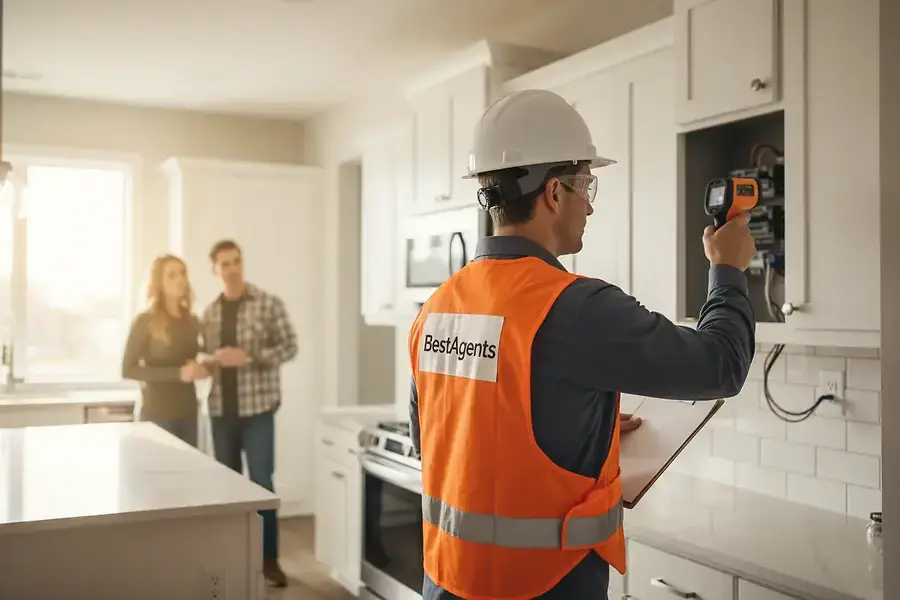
Why Home Inspections Are Critical in Wisconsin's Real Estate Market
Purchasing a home is one of the most significant financial decisions you'll make. In the competitive real estate markets of Waukesha and Milwaukee, a professional home inspection is your best defense against costly surprises after closing. Wisconsin's climate—with its harsh winters, temperature fluctuations, and seasonal moisture challenges—makes thorough inspections especially important.
A comprehensive home inspection provides an objective assessment of a property's condition, helping you understand exactly what you're buying. Rather than relying solely on the seller's disclosure or your initial walkthrough, a certified inspector brings expertise and specialized equipment to uncover hidden issues that could affect your home's safety, value, and long-term maintenance costs.
Why it matters: Inspection results give you leverage to negotiate repairs, request credits, or even walk away from a deal before your earnest money is at risk.
What Professional Inspectors Examine: Foundation, Roof, Systems, and More
Foundation and Structural Integrity
Wisconsin's freeze-thaw cycles can be particularly hard on foundations. Inspectors examine:
- Cracks in concrete or masonry (both horizontal and vertical)
- Signs of water intrusion or moisture damage
- Basement walls for bowing or settling
- Proper grading around the foundation to ensure water drains away
A compromised foundation is one of the most expensive issues to repair, making this inspection element critical.
Roof and Exterior
Your roof protects everything beneath it. Inspectors evaluate:
- Shingle condition, age, and remaining lifespan
- Flashing around chimneys, vents, and skylights
- Gutters and downspouts for proper drainage
- Siding, trim, and exterior paint condition
- Windows and doors for proper sealing and operation
Roof replacement is expensive, so understanding its condition helps you budget for future maintenance.
Plumbing and Water Systems
Inspectors check:
- Water pressure and flow throughout the home
- Pipe materials and condition (galvanized, copper, PEX, etc.)
- Signs of leaks, corrosion, or water damage
- Water heater age, type, and functionality
- Septic systems or municipal sewer connections
Water-related issues can lead to mold, structural damage, and health concerns if left unaddressed.
Electrical Systems
A safe electrical system is non-negotiable. Inspectors examine:
- Panel capacity and condition
- Proper grounding and bonding
- GFCI outlets in kitchens, bathrooms, and outdoor areas
- Outdated wiring that may pose fire hazards
- Overall code compliance
HVAC and Climate Control
Wisconsin winters demand reliable heating. Inspectors assess:
- Furnace age, efficiency, and operation
- Air conditioning functionality
- Ductwork condition and proper insulation
- Thermostat operation
Insulation and Ventilation
Energy efficiency matters in Wisconsin's climate. Inspectors check attic insulation levels, ventilation, and signs of air leaks that could increase heating and cooling costs.
Red Flags to Watch For and How They Impact Your Offer
Major Red Flags
Foundation cracks or water damage: These can indicate serious structural or moisture issues requiring expensive repairs. This often justifies a significant price reduction or walking away.
Roof near end of life: A roof that needs replacement within the next few years is a major expense. You may request the seller replace it or provide a substantial credit.
Outdated electrical systems: Knob-and-tube wiring or aluminum wiring can be fire hazards and may require complete rewiring—a costly undertaking.
Mold or water intrusion: These issues suggest ongoing moisture problems that could affect indoor air quality and structural integrity.
HVAC system failure: A furnace or AC unit that's failing or near the end of its lifespan represents a significant replacement cost.
Minor Red Flags
Not every issue is a deal-breaker. Minor concerns might include:
- Cosmetic damage or outdated finishes
- Missing caulk around tubs or sinks
- Worn weatherstripping
- Minor roof shingle damage
These are often negotiable or manageable with routine maintenance.
Using Inspection Results to Negotiate
Once you receive the inspection report, you have several options:
- Request repairs: Ask the seller to fix major issues before closing.
- Request credits: Negotiate a price reduction to cover repairs yourself.
- Request re-inspection: Have the inspector verify that repairs were completed properly.
- Renegotiate the offer: Use findings to justify a lower purchase price.
- Walk away: If issues are too severe or costly, you may terminate the contract (if your inspection contingency allows).
The key is understanding which issues are worth negotiating and which are typical for homes in the area.
Using Inspection Results to Negotiate and Close with Confidence
A professional home inspection is an investment in peace of mind. By understanding what inspectors look for and recognizing red flags, you're equipped to make informed decisions about your purchase.
Best practices:
- Always hire a certified, licensed inspector with local experience
- Attend the inspection if possible to ask questions and see issues firsthand
- Request a detailed written report with photos and recommendations
- Have a real estate agent or attorney review findings before negotiating
- Get repair estimates for major issues to inform your negotiations
In Waukesha and Milwaukee's real estate markets, a thorough inspection protects your investment and gives you the confidence to close on a home that's safe, sound, and worth the price you're paying. Don't skip this critical step—your future self will thank you.


