Home Inspection Essentials: Protecting Your Residential Investment
Learn what professional inspectors evaluate and how to use their findings to make confident buying decisions.

Why Home Inspections Are Critical for Residential Buyers
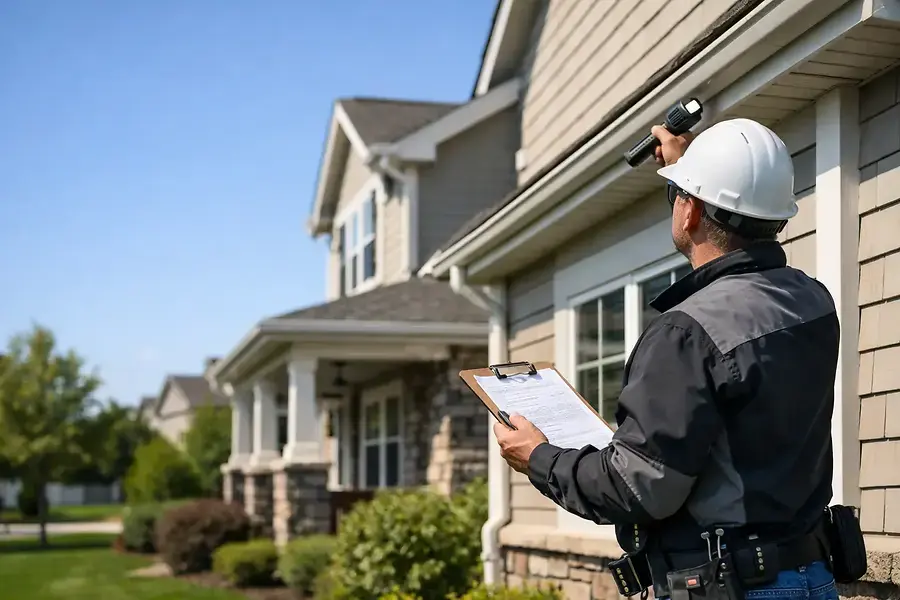
Purchasing a home is one of the most significant financial decisions you'll make in your lifetime. Without a thorough home inspection, you could be inheriting hidden problems that cost thousands of dollars to repair. A professional home inspection serves as your safeguard, providing an objective assessment of the property's condition before you commit to the purchase.
Home inspections protect you by identifying issues that may not be visible during a casual walkthrough. From structural problems to failing systems, inspectors uncover the realities behind the fresh paint and staged furniture. This knowledge empowers you to make informed decisions and negotiate from a position of strength.
What Home Inspectors Evaluate: Systems, Structures, and Safety Concerns
Structural Components
Professional inspectors begin by examining the foundation, walls, and roof. They look for signs of settling, cracks, water damage, and deterioration. A compromised foundation can be one of the most expensive problems to address, making this evaluation crucial to your investment protection.
Electrical Systems
Inspectors test outlets, switches, and the main electrical panel to ensure everything meets current safety codes. Outdated wiring, overloaded circuits, and improper grounding can pose fire hazards and require costly upgrades. This assessment is vital for both safety and future resale value.
Plumbing and Water Systems
The inspection includes checking water pressure, drainage, and the condition of pipes throughout the home. Inspectors look for leaks, corrosion, and outdated materials that may fail soon. Water damage from plumbing issues can lead to mold growth and structural problems if left unaddressed.
HVAC Systems
Heating, ventilation, and air conditioning systems are evaluated for functionality and age. Inspectors assess whether the system will need replacement soon, which can significantly impact your budget. A failing HVAC system can cost $5,000 to $15,000 to replace, depending on the home's size and climate needs.
Roofing and Exterior
The roof's age, condition, and remaining lifespan are critical factors. Inspectors examine shingles, flashing, gutters, and downspouts. They also evaluate siding, windows, doors, and the overall exterior envelope to identify weather-related vulnerabilities.
Interior Components
Inspectors examine walls, ceilings, floors, and insulation. They check for water stains, mold, pest damage, and structural integrity. The attic and basement receive special attention as these areas often reveal problems affecting the entire home.
Red Flags to Watch For: Common Issues That Impact Property Value
Water Damage and Moisture Issues
Water intrusion is one of the most common and costly problems found during inspections. Look for:
- Stains on ceilings or walls
- Soft spots in flooring
- Musty odors indicating mold
- Efflorescence (white powder) on basement walls
These signs suggest ongoing moisture problems that can compromise structural integrity and create health hazards.
Electrical Hazards
Outdated or unsafe electrical systems are serious concerns. Red flags include:
- Aluminum wiring (fire hazard)
- Knob-and-tube wiring (outdated and unsafe)
- Insufficient outlets requiring excessive extension cords
- Tripped circuit breakers or blown fuses
Roof Problems
A roof nearing the end of its lifespan is a major expense. Watch for:
- Missing or curling shingles
- Sagging roof lines
- Leaks in the attic
- Roofs over 20 years old
HVAC System Failures
An aging or non-functional heating and cooling system can derail your budget. Be cautious of systems that are:
- Over 15 years old
- Making unusual noises
- Not heating or cooling effectively
- Requiring frequent repairs
Pest Infestations
Termites, carpenter ants, and other pests can cause significant structural damage. Inspectors look for:
- Wood damage and hollow-sounding wood
- Mud tubes or droppings
- Evidence of past or active infestations
Plumbing Problems
Failing plumbing systems can lead to water damage and costly repairs. Common issues include:
- Corroded or galvanized pipes
- Low water pressure
- Slow drains or backups
- Outdated septic systems
Using Inspection Results to Negotiate and Close Successfully
Understanding Your Report
A comprehensive inspection report details every finding, categorized by severity. Major issues require immediate attention and can significantly impact your offer. Minor issues are typically maintenance items that won't affect the home's safety or value substantially.
Negotiation Strategies
Armed with inspection findings, you have several negotiation options:
- Request repairs: Ask the seller to fix major issues before closing
- Request credits: Negotiate a reduction in the purchase price to cover repairs yourself
- Request inspections: Ask for specialized inspections (radon, mold, termites) if concerns arise
- Renegotiate the offer: Use findings to justify a lower purchase price
The key is prioritizing issues by cost and safety impact. Focus negotiations on problems that are expensive, dangerous, or difficult for you to address after purchase.
Making Your Final Decision
After reviewing the inspection report and negotiating with the seller, you must decide whether to proceed. Consider:
- The total cost of repairs needed
- Your budget for unexpected issues
- The home's overall value and location
- Your comfort level with the property's condition
A professional home inspection is not an expense—it's an investment in your peace of mind and financial security.
Moving Forward with Confidence
Once you've addressed inspection concerns through negotiation or accepted the property as-is, you can move forward with confidence. Keep the inspection report for future reference and use it to plan maintenance and repairs over time. This document becomes valuable when you eventually sell the property, as it demonstrates you purchased with due diligence.
Home inspections are your opportunity to see the property through an expert's eyes. By understanding what inspectors evaluate and how to use their findings, you protect your investment and make one of life's biggest purchases with confidence and clarity.


