Home Inspection Essentials: What Buyers Look For Before Making an Offer
Discover the critical items inspectors examine and how to address them before listing your property.

Introduction: Why Home Inspections Matter to Your Sale
A home inspection is one of the most critical steps in the real estate transaction process. For buyers, it's a comprehensive evaluation that can make or break a deal. For sellers, understanding what inspectors look for gives you a significant advantage in preparing your property and avoiding last-minute surprises that could derail a sale.
Home inspections typically uncover issues that affect a property's value, safety, and functionality. By addressing these concerns proactively, you can present your home in the best possible light and build buyer confidence. This guide will help you understand the inspection process and prepare your property for success.
Key Areas Inspectors Evaluate and Common Issues Found
Structural Integrity and Foundation
Inspectors begin by examining the foundation and structural components of your home. They look for:
- Cracks in the foundation or basement walls
- Signs of settling or shifting
- Water damage or moisture intrusion
- Proper grading around the foundation
Why it matters: Foundation issues are expensive to repair and can be a major red flag for buyers. Ensure your basement is dry and free from visible cracks.
Roofing and Exterior
The roof is one of the most expensive components to replace, so inspectors pay close attention to its condition. They evaluate:
- Roof age and remaining lifespan
- Missing, damaged, or curling shingles
- Flashing around chimneys and vents
- Gutters and downspouts functionality
- Siding condition and water damage
Common issue: A roof nearing the end of its life can significantly impact buyer interest. Consider a professional roof inspection if your roof is over 15 years old.
Plumbing Systems
Inspectors test water pressure, check for leaks, and evaluate the overall plumbing system. Key concerns include:
- Water pressure and flow issues
- Leaking pipes or fixtures
- Water heater age and condition
- Sump pump functionality (if applicable)
- Proper drainage and venting
Pro tip: Fix any dripping faucets or running toilets before the inspection. These simple repairs demonstrate that you maintain your home.
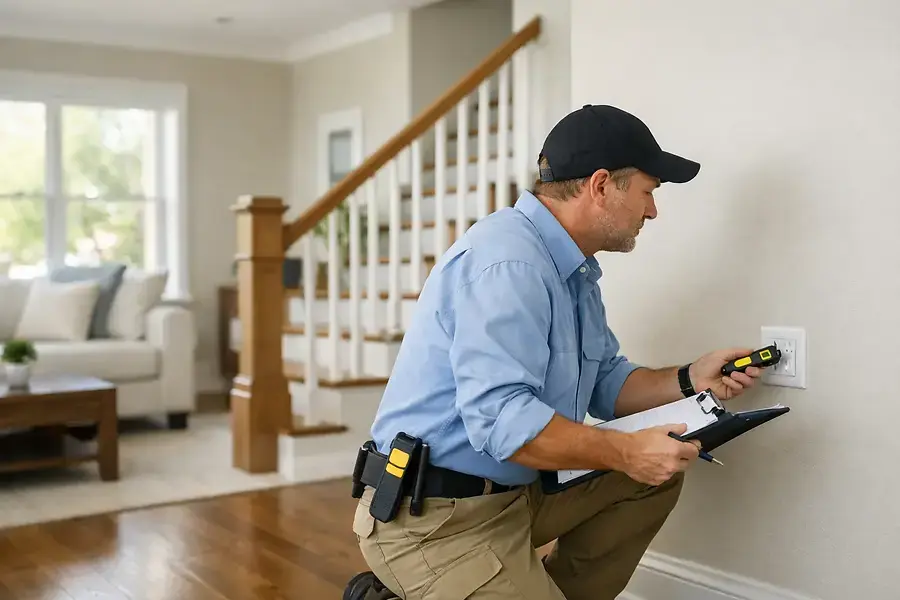
Electrical Systems
Electrical safety is paramount. Inspectors examine:
- Panel condition and capacity
- Proper grounding and bonding
- Outlet and switch functionality
- Presence of GFCI outlets in wet areas
- Outdated wiring (such as aluminum or knob-and-tube)
Important: Outdated electrical systems can be a deal-breaker. If your home has aluminum wiring or an outdated panel, disclose this upfront and consider upgrades.
HVAC Systems
Heating, ventilation, and air conditioning systems are crucial for comfort. Inspectors check:
- System age and functionality
- Proper airflow and temperature control
- Filter condition and maintenance
- Ductwork integrity
- Thermostat operation
Maintenance tip: Replace HVAC filters and have the system serviced before the inspection to ensure optimal performance.
Interior Conditions
Inspectors also evaluate interior spaces for:
- Water stains or mold growth
- Damaged walls, ceilings, or floors
- Window and door functionality
- Proper ventilation in bathrooms and kitchens
- Signs of pest infestation
How to Prepare Your Home for a Successful Inspection
Create a Pre-Inspection Checklist
Before the inspection, walk through your home and address obvious issues. Focus on:
- Cleaning gutters and downspouts
- Trimming vegetation away from the foundation
- Ensuring all lights and outlets work
- Testing all faucets and checking for leaks
- Verifying HVAC system operation
- Clearing attic and basement access points
Document Maintenance and Repairs
Gather documentation of any recent repairs, upgrades, or maintenance performed on your home. This includes:
- Roof repairs or replacement records
- HVAC service and maintenance logs
- Plumbing repairs or updates
- Electrical work and permits
- Foundation repairs or waterproofing
Benefit: Documentation reassures buyers that your home has been well-maintained and professionally serviced.
Address Safety Hazards
Eliminate any obvious safety concerns:
- Ensure handrails are secure on stairs
- Fix any tripping hazards
- Test smoke and carbon monoxide detectors
- Ensure proper lighting in dark areas
- Remove clutter from walkways and attic access
Make Minor Repairs
Small fixes can have a big impact on inspection results. Prioritize:
- Caulking gaps around windows and doors
- Patching drywall holes or cracks
- Repainting scuffed walls
- Replacing broken window panes
- Fixing loose cabinet handles or hinges
Ensure Easy Access
Make it simple for inspectors to do their job:
- Unlock attic access and ensure it's clear
- Provide access to the basement and crawl spaces
- Clear the area around the electrical panel
- Ensure the water heater is accessible
- Remove obstacles from the roof access
Conclusion: Getting Inspection-Ready for Maximum Appeal
A successful home inspection begins long before the inspector arrives. By understanding what they're looking for and taking proactive steps to address potential issues, you can significantly improve your home's appeal and the likelihood of a smooth sale.
Remember: You don't need to make major renovations, but addressing safety concerns, performing routine maintenance, and fixing obvious problems demonstrates that you care for your property. This builds buyer confidence and can lead to better offers and fewer inspection-related negotiations.
Start your inspection preparation today, and you'll be well-positioned to present your home in its best light. A well-maintained, inspection-ready home is an attractive home—and that's exactly what buyers are looking for.