Home Inspection Essentials: What Buyers Must Know Before Closing
Discover the critical inspection points that protect your investment and reveal hidden property issues before closing.

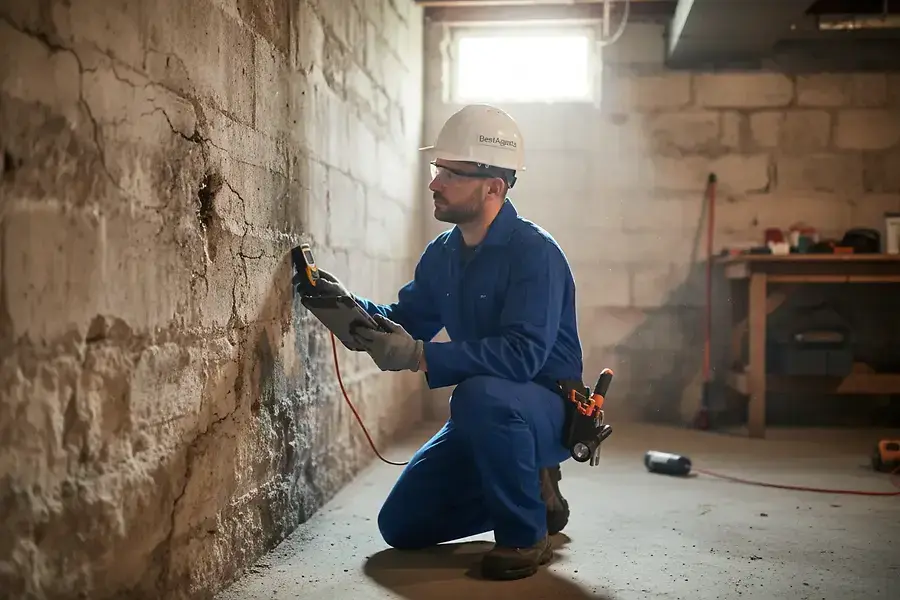
Why Home Inspections Are Your Best Defense
Purchasing a home is one of the most significant financial decisions you'll ever make. Before signing on the dotted line, a professional home inspection serves as your best defense against costly surprises and hidden defects. A thorough inspection can reveal structural issues, mechanical problems, and safety hazards that might not be visible to the untrained eye.
Many first-time homebuyers underestimate the importance of inspections, viewing them as an optional expense. However, skipping this critical step could cost you thousands in repairs down the road. An inspection typically costs between $300 and $500 but can save you from purchasing a property with major issues that could compromise your safety and financial security.
The inspection period is your opportunity to walk away from a deal or renegotiate terms based on findings. This window of time, usually 7-10 days after making an offer, is when you have the most leverage. Once you close on the property, you're responsible for all repairs and maintenance, making pre-closing inspections invaluable.
Key Areas Inspectors Evaluate and Red Flags to Watch For
Structural Components
Inspectors begin by examining the foundation, walls, and overall structural integrity of the home. They look for cracks, settling, water damage, and signs of foundation problems. Foundation issues are among the most expensive repairs, sometimes costing $10,000 or more, making this area critical to evaluate.
Watch for these red flags:
- Visible cracks in the foundation or basement walls
- Uneven or sloping floors
- Doors and windows that don't close properly
- Water stains or moisture in the basement
Roofing and Exterior
The roof protects your entire home from the elements. Inspectors assess the roof's age, condition, and remaining lifespan. A roof replacement can cost $5,000 to $15,000 or more, depending on size and materials. They also examine siding, gutters, and drainage systems to ensure water is properly diverted away from the foundation.
Key concerns include:
- Missing or damaged shingles
- Signs of leaks or water damage in the attic
- Deteriorated caulking around windows and doors
- Clogged or damaged gutters
Plumbing Systems
A comprehensive plumbing inspection checks water pressure, drainage, and the condition of pipes throughout the home. Older homes may have outdated plumbing materials like galvanized steel or polybutylene pipes that are prone to failure. Inspectors test all fixtures and look for leaks, corrosion, and code violations.
Common plumbing red flags:
- Low water pressure or slow drains
- Visible rust or corrosion on pipes
- Evidence of previous water damage or mold
- Outdated or problematic pipe materials
Electrical Systems
Electrical safety is paramount. Inspectors examine the panel, wiring, outlets, and switches to ensure the system meets current safety codes. Outdated or faulty electrical systems pose serious fire and shock hazards. They verify that the home has adequate capacity for modern appliances and devices.
Electrical concerns to note:
- Outdated fuse boxes instead of circuit breakers
- Insufficient outlets or extension cord usage
- Aluminum wiring (a fire hazard in some cases)
- Missing ground fault circuit interrupters (GFCIs)
HVAC Systems
Heating, ventilation, and air conditioning systems are essential for comfort and indoor air quality. Inspectors evaluate the furnace, air conditioner, and ductwork. They determine the age and condition of equipment and estimate remaining lifespan. Replacing an HVAC system can cost $5,000 to $10,000.
Additional Areas
Professional inspectors also evaluate insulation, ventilation, appliances, windows, doors, and check for pest infestations or mold. They may recommend further specialized inspections for septic systems, wells, pools, or radon testing depending on the property's characteristics.
Understanding Your Inspection Report and Negotiating Repairs
Decoding the Report
Your inspection report will categorize findings by severity: major issues requiring immediate attention, minor issues that should be addressed eventually, and maintenance recommendations. Don't panic if the report lists numerous items—most homes have some issues. The key is identifying which problems are deal-breakers or require significant investment.
Review the report carefully and ask your inspector to explain anything you don't understand. Request photos and detailed descriptions of concerning areas. This documentation becomes valuable when negotiating with the seller.
Negotiation Strategies
Once you have the inspection report, you have several options:
- Request repairs: Ask the seller to fix major issues before closing
- Request credits: Negotiate a reduction in purchase price to cover repair costs
- Request inspections: Ask for specialized inspections on specific systems
- Renegotiate or walk away: If issues are too severe, you may choose to exit the deal
Focus negotiations on major structural, safety, and system issues rather than minor cosmetic problems. Be reasonable in your requests—sellers are more likely to cooperate if you're not asking them to address every minor item. Document everything in writing to ensure clarity and avoid misunderstandings.
Post-Inspection Considerations
Even after negotiating repairs, verify that work was completed satisfactorily before closing. Request receipts and warranties for any repairs performed. Consider hiring your inspector for a final walk-through to confirm that agreed-upon work meets standards.
Making Informed Decisions with Inspection Insights
A home inspection empowers you to make informed decisions about one of life's biggest purchases. By understanding what inspectors evaluate and recognizing red flags, you can identify potential problems early and negotiate effectively.
Remember: A thorough inspection isn't about finding reasons to back out of a deal—it's about understanding what you're buying and planning for future maintenance and repairs.
Take time to review your inspection report, ask questions, and consult with your real estate agent or a trusted contractor if you need clarification on technical issues. Armed with this knowledge, you'll close on your home with confidence, knowing you've done your due diligence to protect your investment.