Home Inspection Essentials: What Clinton, NJ Buyers Must Know
Learn the critical inspection points that protect your investment and uncover hidden issues before closing on your Clinton home.

Understanding the Home Inspection Process in Clinton
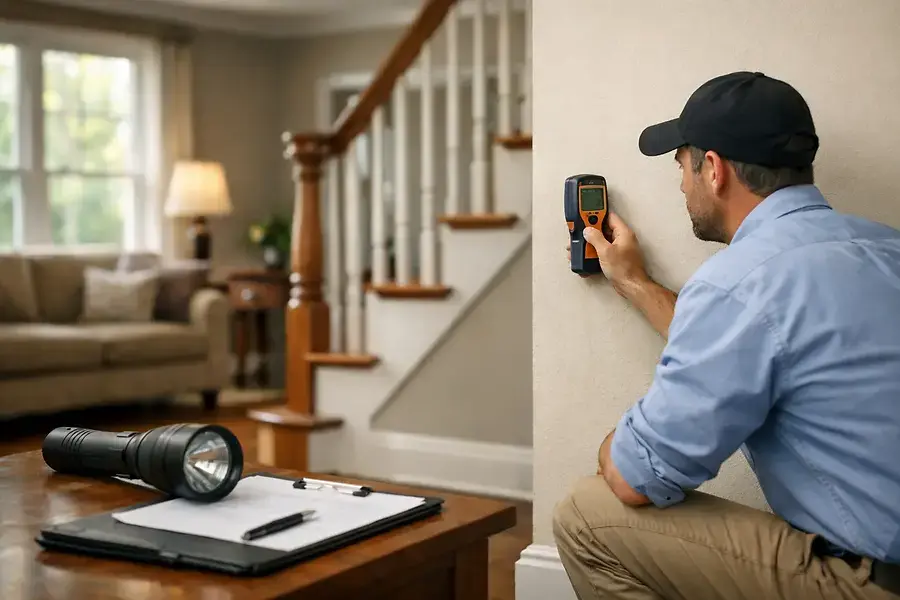
Purchasing a home is one of the most significant financial decisions you'll make, and a professional home inspection is your best defense against costly surprises. In Clinton, NJ, a thorough home inspection typically takes three to four hours and involves a certified inspector examining every accessible part of the property.
The inspection process begins with a visual examination of the home's exterior, including the roof, foundation, siding, and landscaping. The inspector then moves inside to evaluate the interior systems and structure. You have the right to accompany the inspector during this walkthrough, which gives you an excellent opportunity to ask questions and learn about your potential new home.
What to Expect During Your Inspection:
- A comprehensive written report detailing all findings
- Photographs of problem areas and systems
- Recommendations for repairs or further evaluation
- An assessment of the home's overall condition
Key Systems and Structural Elements Inspectors Evaluate
Foundation and Structural Integrity
The foundation is the backbone of any home. Inspectors look for cracks, water damage, settling issues, and signs of structural movement. In Clinton, where homes may be older, foundation concerns are particularly important to identify early.
Roofing and Exterior
Your roof protects everything beneath it. Inspectors evaluate the roof's age, condition, and remaining lifespan. They also examine gutters, downspouts, siding, windows, and doors for water intrusion risks and weather damage.
Plumbing Systems
Inspectors test water pressure, check for leaks, examine pipe materials, and assess the water heater's condition. They'll identify outdated plumbing materials like galvanized pipes that may need replacement soon.
Electrical Systems
A thorough electrical inspection includes checking the main panel, circuit breakers, outlets, and wiring. Outdated or unsafe electrical systems are a serious concern that requires immediate attention.
HVAC Systems
Heating, ventilation, and air conditioning systems are evaluated for age, functionality, and maintenance needs. Inspectors assess whether these systems will provide reliable comfort for years to come.
Interior Components
Inspectors examine walls, ceilings, floors, doors, and windows for damage, moisture, and proper function. They also check insulation levels and ventilation in attics and crawl spaces.
Red Flags and Common Issues Found in Clinton Homes
Water Damage and Moisture Problems
Clinton's climate and older home stock make water intrusion a common concern. Look for stains on ceilings, walls, or in basements. Moisture problems can lead to mold growth and structural deterioration if left unaddressed.
Outdated Electrical Systems
Many Clinton homes still have aluminum wiring or outdated panels that don't meet current safety standards. These upgrades can be expensive but are essential for safety.
Aging Roofs and Gutters
Roofs typically last 20-25 years. If your potential home has an older roof, budget for replacement in the near future. Clogged or damaged gutters can accelerate water damage.
HVAC System Age
Heating and cooling systems that are 15+ years old may be nearing the end of their lifespan. Replacement costs can be substantial, so factor this into your negotiation strategy.
Plumbing Concerns
Common plumbing issues include:
- Galvanized pipes that are corroded or failing
- Polybutylene pipes prone to cracking
- Inadequate water pressure
- Outdated or failing water heaters
Foundation Issues
Cracks in the foundation, bowing walls, or signs of settling require professional evaluation. While minor cracks are normal, significant structural issues can be costly to repair.
Using Inspection Reports to Negotiate and Finalize Your Purchase
Reviewing Your Inspection Report
Take time to carefully review the entire inspection report. Don't just focus on major issues—understanding the overall condition helps you make an informed decision. Ask your inspector to clarify anything you don't understand.
Prioritizing Issues
Categorize findings into three groups: critical safety issues, significant repairs needed, and maintenance recommendations. This helps you determine which items are deal-breakers versus those you can address later.
Negotiation Strategies
Armed with your inspection report, you have several options:
- Request repairs: Ask the seller to fix critical issues before closing
- Request credits: Negotiate a price reduction to cover repair costs yourself
- Request inspections: Ask for specialized inspections (radon, mold, termites) if concerns arise
- Walk away: If issues are too extensive, you may choose to find another property
Getting Second Opinions
For major issues like foundation problems or roof damage, consider hiring a specialist for a more detailed evaluation. This additional information strengthens your negotiating position and provides peace of mind.
Final Steps Before Closing
Once negotiations are complete, ensure all agreed-upon repairs are completed and verified before closing day. Request a final walkthrough to confirm the home's condition matches the inspection report and that repairs were done properly.
A home inspection is not just about finding problems—it's about understanding your investment and making informed decisions that protect your financial future.
By understanding the home inspection process, knowing what inspectors evaluate, and using the inspection report strategically, Clinton homebuyers can navigate the purchase with confidence. Don't skip this critical step in your home buying journey.