Home Inspection Essentials: What Converse and San Antonio Buyers Need to Know
Discover the critical inspection points that protect your investment and prevent costly surprises in Texas real estate.

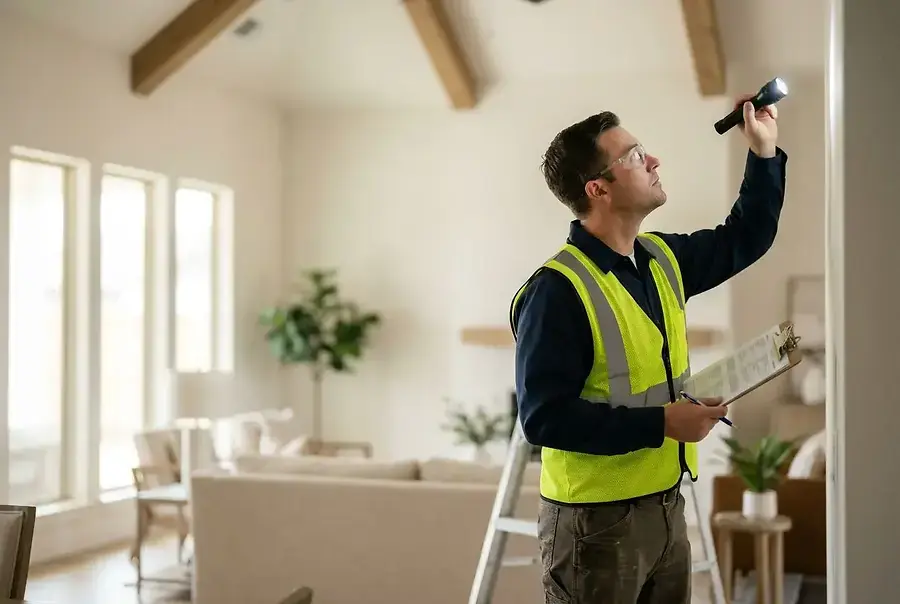
Understanding the Texas Home Inspection Process
A home inspection is one of the most important steps in purchasing a property in Converse or San Antonio. This comprehensive evaluation by a licensed professional examines the structural integrity, systems, and overall condition of a home. In Texas, home inspectors are regulated by the Texas Real Estate Commission (TREC), ensuring that inspections meet consistent standards and provide reliable information for buyers.
The typical inspection process takes two to four hours and covers both the interior and exterior of the property. Buyers are encouraged to attend the inspection in person, as this allows them to ask questions and gain firsthand knowledge about their potential investment. After the inspection, the inspector provides a detailed report documenting findings, conditions, and recommendations for repairs or further evaluation.
Why Inspections Matter in the Texas Market
Texas properties face unique environmental and structural challenges. The state's hot, dry climate can cause foundation settling and wood damage, while humidity in certain regions promotes mold growth. Understanding these regional factors helps buyers anticipate potential issues specific to Converse and San Antonio homes.
Key Areas Inspectors Examine in Converse and San Antonio Homes
Foundation and Structural Components
The foundation is the most critical element of any home. Inspectors look for:
- Cracks in concrete or brick
- Uneven floors or sloping surfaces
- Water damage or moisture intrusion
- Signs of settling or structural movement
Texas homes are particularly susceptible to foundation issues due to expansive clay soils. Even minor cracks can indicate larger problems requiring professional evaluation.
Roof and Exterior Systems
The roof protects your entire investment. Inspectors evaluate:
- Shingle condition and remaining lifespan
- Flashing around chimneys and vents
- Gutters and downspout functionality
- Exterior walls for damage or deterioration
- Windows and doors for proper sealing
A roof replacement can cost $8,000 to $15,000 or more, making this assessment crucial for budget planning.
Plumbing and Water Systems
Water-related issues are among the costliest to repair. Inspectors check:
- Water pressure and flow rates
- Pipe materials and condition (galvanized, copper, PVC)
- Drainage systems and septic functionality
- Water heater age and condition
- Signs of leaks or water damage
Electrical Systems
Electrical safety is paramount. Inspectors examine:
- Panel capacity and breaker functionality
- Outlet grounding and GFCI protection
- Wiring condition and code compliance
- Adequate lighting and switch placement
HVAC and Climate Control
In Texas, air conditioning is essential. Inspectors assess:
- System age and operational efficiency
- Proper refrigerant levels
- Ductwork condition and insulation
- Thermostat functionality
Red Flags and How to Respond to Inspection Findings
Major Red Flags to Take Seriously
Foundation problems are the most serious concern. Cracks wider than 1/4 inch, doors that won't close properly, or visible settling warrant a structural engineer's evaluation before proceeding with purchase.
Roof damage or age beyond 20 years indicates imminent replacement needs. Request a roofing contractor's assessment and factor replacement costs into your offer.
Mold or water damage suggests moisture control issues. These problems can affect health and require professional remediation, potentially costing thousands of dollars.
Outdated electrical systems or aluminum wiring present safety hazards and may require complete rewiring, a significant expense.
How to Respond to Inspection Findings
Once you receive the inspection report, you have several options:
- Request repairs: Ask the seller to fix identified issues before closing
- Negotiate credits: Request a price reduction to cover repair costs yourself
- Request re-inspection: Have the inspector verify that repairs were completed properly
- Walk away: If issues are too severe or costly, you can terminate the purchase
Most purchase agreements include an inspection contingency period, typically 7-10 days, allowing time to review findings and negotiate.
Making Informed Decisions: Using Inspection Results in Your Purchase
Prioritizing Inspection Issues
Not all inspection findings require immediate action. Categorize issues as:
- Critical: Safety hazards or structural problems requiring immediate attention
- Important: Systems nearing end of life or showing significant wear
- Minor: Cosmetic issues or routine maintenance items
Focus negotiations on critical and important items that affect safety, functionality, or long-term value.
Getting Professional Opinions
For significant findings, consider hiring specialists:
- Structural engineers for foundation concerns
- Roofing contractors for roof assessments
- Plumbers for water system issues
- Electricians for electrical concerns
- Mold specialists for moisture problems
These expert evaluations provide detailed cost estimates and repair timelines, strengthening your negotiating position.
Building Your Long-Term Maintenance Plan
Use inspection findings to create a maintenance schedule. Knowing the age and condition of major systems helps you budget for future replacements and avoid emergency repairs. Proactive maintenance extends system lifespan and protects your investment.
A home inspection is your opportunity to make an informed decision about one of life's largest purchases. By understanding what inspectors examine, recognizing red flags, and using findings strategically, Converse and San Antonio buyers can protect their investments and avoid costly surprises down the road.