Home Inspection Essentials: What Dublin, OH Buyers Must Know
Discover critical inspection checkpoints that protect your investment and prevent costly surprises when purchasing residential property in Dublin.

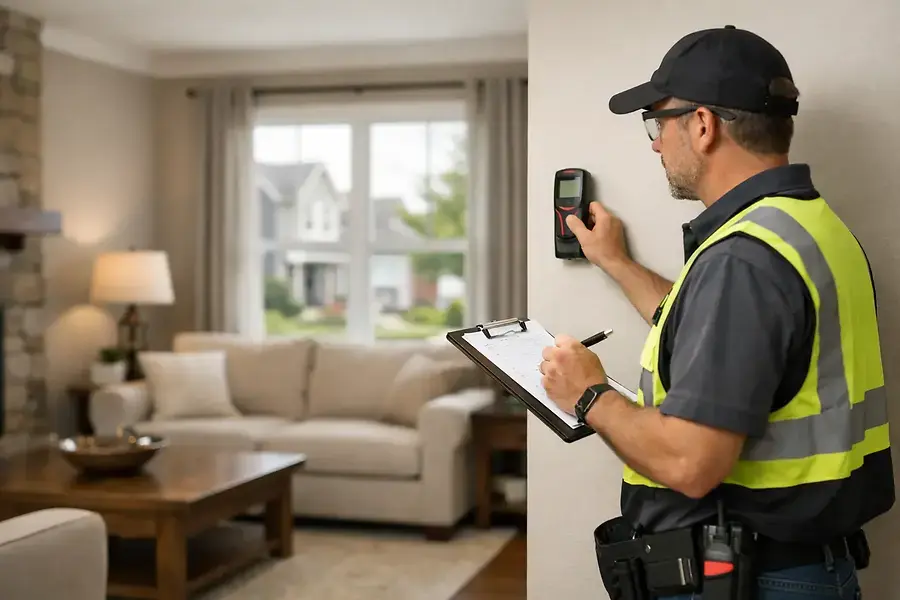
Why Home Inspections Matter for Dublin Buyers
Purchasing a home is one of the most significant financial decisions you'll make in your lifetime. For buyers in Dublin, Ohio, a comprehensive home inspection serves as your first line of defense against hidden defects and costly repairs. A professional home inspection provides an objective assessment of a property's condition, giving you the knowledge needed to make informed decisions and negotiate effectively.
Many first-time homebuyers underestimate the importance of inspections, viewing them as an optional expense. However, skipping this crucial step can lead to discovering serious issues after you've already closed on the property. A thorough inspection typically costs between $300-$500 but can save you thousands in unexpected repairs and renovations.
The inspection process protects your investment by:
- Identifying structural problems and safety hazards
- Revealing the true condition of major systems and appliances
- Providing leverage for price negotiations
- Helping you budget for future maintenance and repairs
- Uncovering code violations or unpermitted work
Key Areas Inspectors Examine in Dublin-Area Homes
Foundation and Structural Integrity
Dublin's homes are built on various soil types, and foundation issues are among the most expensive problems to repair. Professional inspectors carefully examine the foundation for cracks, settling, water damage, and signs of structural movement. They'll assess basement walls, crawl spaces, and the overall stability of the home's structure.
Roofing and Exterior
Ohio's weather can be harsh on roofing materials. Inspectors evaluate roof condition, checking for missing shingles, deterioration, proper drainage, and flashing integrity. They also examine siding, gutters, downspouts, windows, and doors to ensure they're protecting your home from water intrusion and weather damage.
Plumbing Systems
Water damage is a leading cause of costly home repairs. Inspectors test water pressure, check for leaks, examine pipe materials, and assess the condition of the water heater. They'll identify outdated plumbing materials like galvanized pipes that may need replacement and verify proper drainage throughout the home.
Electrical Systems
Safety is paramount when evaluating electrical systems. Inspectors check the main panel, circuit breakers, outlets, and wiring to ensure everything meets current code standards. Outdated or unsafe electrical systems can pose fire hazards and may require expensive upgrades.
HVAC Systems
Heating and cooling systems are critical for comfort and can be expensive to replace. Inspectors evaluate furnaces, air conditioners, ductwork, and thermostats. They assess the age of equipment and its operational efficiency, helping you understand potential replacement timelines.
Insulation and Ventilation
Proper insulation and ventilation affect energy efficiency and prevent moisture problems. Inspectors check attic insulation levels, ventilation adequacy, and look for signs of moisture or mold growth that could indicate ventilation issues.
Red Flags and How to Respond to Inspection Findings
Understanding the Inspection Report
After the inspection, you'll receive a detailed report categorizing findings by severity. Issues are typically classified as major (requiring immediate attention), minor (maintenance items), or informational (observations for your awareness).
Common Red Flags in Dublin Homes
Water Damage and Mold: Staining on ceilings, walls, or in basements indicates past or present water intrusion. Mold growth is a serious health concern and expensive to remediate. Request professional mold testing if suspected.
Foundation Cracks: While minor hairline cracks are common, large or widening cracks suggest structural problems. Horizontal cracks are particularly concerning and warrant professional structural evaluation.
Outdated Electrical Systems: Aluminum wiring or knob-and-tube wiring are fire hazards. Homes with these systems typically require complete rewiring, a significant expense.
Roof Age and Condition: Roofs typically last 15-25 years depending on materials. If the roof is near the end of its lifespan, budget for replacement soon after purchase.
HVAC System Age: Systems older than 15-20 years may fail soon. Replacement costs can exceed $5,000-$10,000, so factor this into your offer.
Negotiation Strategies
Once you have the inspection report, you have several options:
- Request repairs: Ask the seller to fix major issues before closing
- Request credits: Negotiate a price reduction to cover repair costs yourself
- Request inspections: For significant issues, ask for specialized inspections (structural engineer, mold specialist)
- Walk away: If major problems exist and the seller won't negotiate, you can terminate the purchase
The key is responding promptly and professionally. Most purchase agreements give you a specific timeframe to review inspection results and communicate your concerns to the seller.
When to Get Specialized Inspections
Beyond the general home inspection, consider specialized inspections for:
- Structural concerns (structural engineer)
- Suspected mold (mold specialist)
- Radon testing (radon specialist)
- Septic systems (septic inspector)
- Pest damage (pest control professional)
Making Informed Decisions with Inspection Data
A home inspection report is a powerful tool that empowers you as a buyer. Rather than viewing inspection findings as deal-breakers, use them as information to make confident decisions aligned with your budget and risk tolerance.
Remember these key principles:
- No home is perfect—focus on major issues rather than minor cosmetic concerns
- Prioritize safety issues (electrical, structural, mold) over aesthetic problems
- Consider the age of the home and expect age-appropriate wear and tear
- Get multiple quotes for recommended repairs to understand true costs
- Factor inspection findings into your final offer and closing timeline
By investing in a thorough home inspection and carefully reviewing the results, Dublin homebuyers can purchase with confidence. The inspection process isn't about finding reasons to walk away—it's about understanding exactly what you're buying and making decisions based on facts rather than emotions. This knowledge protects your investment and sets you up for success in your new Dublin home.


