Home Inspection Essentials: What Every Ames Buyer Needs to Know
Learn the critical inspection points that protect your investment and reveal hidden issues before closing on your Ames property.

Understanding the Home Inspection Process in Ames
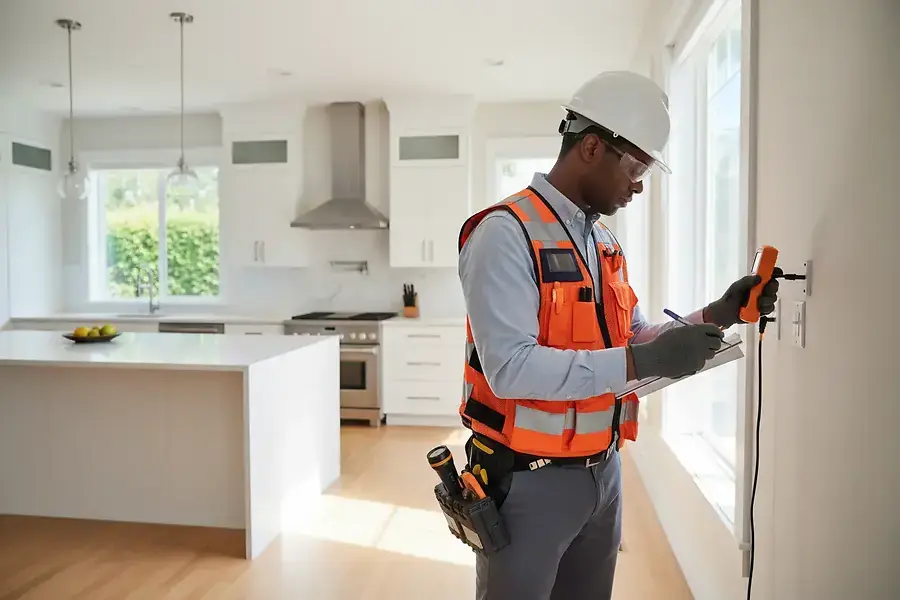
A home inspection is one of the most critical steps in the home buying process. For Ames buyers, this professional evaluation provides a comprehensive assessment of a property's condition before you commit to the purchase. During a typical inspection, a certified inspector will spend two to three hours examining the home's structural components, systems, and overall condition.
The inspection process begins with a visual examination of the property's exterior, including the roof, foundation, and landscaping. The inspector then moves inside to evaluate the interior systems and structure. This thorough walkthrough helps identify any existing problems or potential issues that could affect the home's safety, functionality, or value.
What to Expect During Your Inspection
As a buyer, you have the right to be present during the inspection. In fact, attending the inspection is highly recommended. This gives you the opportunity to ask questions, learn about the home's systems, and understand any concerns the inspector identifies. The inspector will provide a detailed written report within 24 to 48 hours, documenting all findings with photographs and recommendations.
Key Areas Inspectors Examine in Iowa Homes
Structural Components
Inspectors carefully evaluate the home's foundation, walls, and framing. In Iowa, where freeze-thaw cycles are common, foundation cracks and water intrusion are particularly important to assess. The inspector will look for signs of settling, moisture damage, and structural integrity issues that could require expensive repairs.
Roofing and Exterior
The roof is one of the most expensive components to replace. Inspectors examine shingles, flashing, gutters, and drainage systems. They assess the roof's age and remaining lifespan, checking for missing shingles, leaks, or deterioration. The exterior walls, windows, and doors are also evaluated for proper sealing and weatherproofing.
Plumbing Systems
A thorough plumbing inspection includes checking water pressure, drainage, and the condition of pipes. Inspectors test all fixtures, look for leaks, and assess the water heater's age and condition. In older Ames homes, galvanized pipes or outdated plumbing may be flagged as potential concerns.
Electrical Systems
Electrical safety is paramount. Inspectors examine the main panel, circuit breakers, wiring, and outlets. They verify that the electrical system meets current safety standards and can handle the home's power demands. Outdated wiring or insufficient grounding can pose serious safety risks.
HVAC and Climate Control
The heating, ventilation, and air conditioning systems are tested for proper operation. Inspectors check the furnace, air conditioner, thermostat, and ductwork. They assess the age of these systems and their expected remaining lifespan, as replacement can be a significant expense.
Interior Components
Inspectors evaluate walls, ceilings, floors, and insulation. They look for water damage, mold, pest damage, and structural issues. Attics are checked for proper ventilation and insulation levels, while basements are assessed for moisture problems and flooding risks.
Red Flags and How to Respond to Inspection Findings
Major Red Flags
Foundation problems are among the most serious issues. Significant cracks, bowing walls, or evidence of water intrusion require professional evaluation and can indicate costly repairs ahead. Roof damage or a roof nearing the end of its lifespan is another major concern, as replacement costs can exceed $10,000 or more.
Electrical hazards such as outdated wiring, improper grounding, or overloaded circuits pose safety risks and must be addressed. Plumbing issues including galvanized pipes, sewer line problems, or significant leaks should not be ignored.
Minor Issues and Maintenance Items
Not all inspection findings are deal-breakers. Minor issues like caulking gaps, worn weatherstripping, or cosmetic damage are typically manageable. These items often represent routine maintenance rather than structural concerns.
Responding to Inspection Results
Once you receive the inspection report, you have several options. You can request repairs from the seller, negotiate a price reduction to account for needed repairs, or request credits at closing. Some buyers choose to accept the findings and proceed with the purchase as-is, particularly if issues are minor.
It's essential to prioritize your concerns. Focus on major structural, safety, and system issues rather than cosmetic problems. Work with your real estate agent to determine which findings warrant negotiation and which are reasonable for a buyer to address after closing.
Moving Forward: Using Inspection Results in Your Ames Purchase
Creating an Action Plan
After reviewing the inspection report, develop a clear action plan. Identify which issues are critical, which are important, and which are minor. Consult with contractors to obtain repair estimates for significant findings. This information strengthens your negotiating position and helps you make an informed decision.
Protecting Your Investment
The home inspection is your opportunity to protect your investment. Don't skip this step or waive the inspection contingency. A thorough inspection can save you thousands of dollars by identifying problems before you're legally obligated to purchase the property.
Moving Toward Closing
Use the inspection results to guide your final walkthrough before closing. Verify that any agreed-upon repairs have been completed satisfactorily. Request receipts and warranties for work performed. This ensures you're receiving the property in the condition you negotiated.
A professional home inspection is an investment in your peace of mind and financial security. By understanding what inspectors examine and how to respond to their findings, Ames buyers can make confident, informed decisions about their real estate purchases. Don't let inspection results catch you off guard—be prepared, ask questions, and use this valuable information to protect your new home investment.