Home Inspection Essentials: What Every Branford Homebuyer Needs to Know
Learn what inspectors look for and how to protect your investment before closing on a Branford property.

Why Home Inspections Matter in Branford's Market
Purchasing a home is one of the most significant financial decisions you'll make in your lifetime. In Branford's competitive real estate market, a professional home inspection is your best defense against costly surprises after closing. A thorough inspection provides you with detailed information about the property's condition, helping you negotiate repairs, request credits, or make an informed decision about whether to proceed with the purchase.
Home inspections are particularly important in Branford, where many properties range from historic homes to newer constructions. Each property type presents unique challenges and considerations. By investing in a comprehensive inspection, you're essentially hiring an expert to examine every major system and component of the home before you commit to the purchase.
What to Expect During a Residential Inspection
The Inspection Process
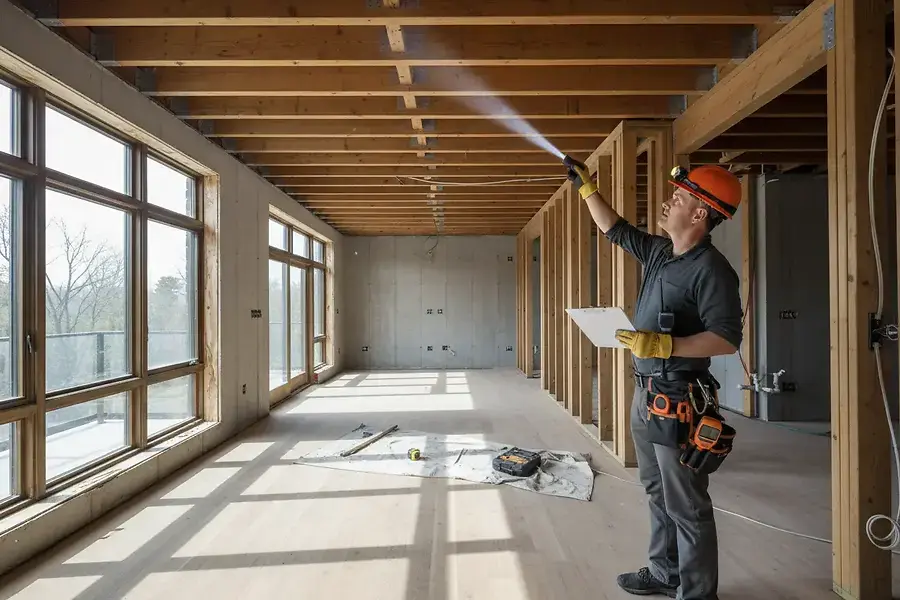
A professional home inspection typically lasts between two to four hours, depending on the property's size and age. The inspector will systematically evaluate the home's major systems and components, creating a detailed report of their findings. Here's what you can expect:
- Structural Components: The inspector examines the foundation, walls, roof, and overall structural integrity of the home.
- Roofing System: They assess the roof's condition, including shingles, flashing, gutters, and drainage systems.
- Exterior Elements: Siding, windows, doors, decks, and landscaping drainage are evaluated for damage or deterioration.
- HVAC Systems: Heating, ventilation, and air conditioning systems are tested for proper operation and maintenance.
- Plumbing: Water pressure, drainage, fixtures, and the main water line are inspected for leaks and functionality.
- Electrical Systems: The inspector checks the panel, wiring, outlets, and safety features throughout the home.
- Interior Features: Walls, ceilings, floors, doors, and built-in appliances are examined for damage or defects.
Your Role During the Inspection
While the inspector works, you should be present and actively engaged. This is your opportunity to ask questions, understand the home's systems, and learn about maintenance requirements. Take notes on areas of concern and ask the inspector to explain any issues they discover. Many inspectors are happy to provide guidance on minor repairs you can handle yourself versus issues requiring professional contractors.
Common Issues Found in Branford Homes and How to Address Them
Roof and Water Damage
Given Branford's coastal climate, roof damage and water intrusion are among the most common issues found during inspections. Look for missing or damaged shingles, deteriorated flashing, and signs of water stains in attics and upper-level ceilings. If significant roof damage is discovered, you can request the seller make repairs before closing or negotiate a credit toward repairs you'll handle yourself.
Foundation and Structural Concerns
Older Branford homes may have foundation issues such as cracks, settling, or moisture problems. Minor cracks are often cosmetic, but larger cracks or signs of active movement warrant further evaluation by a structural engineer. Foundation repairs can be expensive, so this is an area where you'll want detailed information before making your offer.
Outdated Electrical Systems
Many historic Branford homes still have older electrical systems that may not meet current safety standards. Aluminum wiring, outdated panels, and insufficient grounding are common findings. While not always an immediate safety hazard, upgrading electrical systems can be costly. Understanding the extent of electrical work needed helps you budget appropriately.
Plumbing Issues
Corroded pipes, outdated plumbing materials, and drainage problems are frequently discovered in Branford inspections. Galvanized pipes, polybutylene tubing, and cast iron drain lines may need replacement. Ask your inspector about the age and condition of the plumbing system and whether any immediate repairs are necessary.
HVAC System Age and Condition
Heating and cooling systems have a limited lifespan, typically 15-20 years. If the system is nearing the end of its life, budget for replacement costs. The inspector will note the age, condition, and whether the system is functioning properly. This information is crucial for negotiating repair credits or price adjustments.
Using Inspection Reports to Make Confident Offers
Understanding Your Report
After the inspection, you'll receive a detailed report categorizing findings by severity. Issues are typically classified as major concerns, minor concerns, or maintenance recommendations. Take time to review the report carefully and discuss findings with your real estate agent and inspector.
Negotiation Strategies
Armed with your inspection report, you have several options:
- Request Repairs: Ask the seller to fix major issues before closing.
- Negotiate Credits: Request a credit toward repairs you'll handle after purchase.
- Renegotiate Price: Use significant findings to justify a lower offer price.
- Walk Away: If major issues exceed your budget or comfort level, you can withdraw your offer during the inspection contingency period.
Planning for Future Maintenance
Even if the inspection reveals only minor issues, use the report to plan future maintenance. Understanding your home's systems and their condition helps you budget for upcoming repairs and replacements. Create a maintenance schedule based on inspector recommendations to keep your investment in top condition.
A comprehensive home inspection is not just about finding problems—it's about gaining peace of mind and making an informed investment decision.
Conclusion: Making Your Branford Home Purchase with Confidence
A professional home inspection is an essential step in the Branford home buying process. By understanding what inspectors look for, knowing common issues in local properties, and using inspection reports strategically, you can protect your investment and make confident purchasing decisions. Don't skip this crucial step or rush through the inspection process. Take the time to thoroughly evaluate the property, ask questions, and use the information to negotiate favorable terms. Your future self will thank you for the diligence you invest today.


