Home Inspection Essentials: What Every Buyer Must Know Before Closing
Learn the critical items inspectors evaluate and how to use inspection reports to negotiate better deals on your next purchase.

Why Home Inspections Matter in Real Estate Transactions
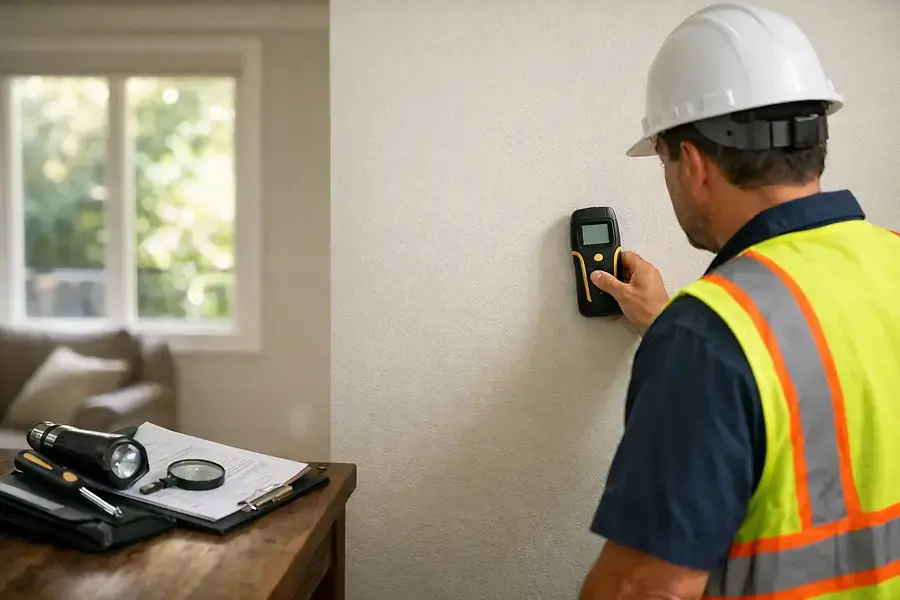
Purchasing a home is one of the most significant financial decisions you'll make in your lifetime. A professional home inspection serves as your safeguard, providing an objective assessment of the property's condition before you commit to the purchase. Unlike appraisals, which determine market value, inspections focus on identifying structural issues, safety concerns, and maintenance needs that could affect your investment.
Home inspections protect you from inheriting costly surprises after closing. They give you leverage in negotiations and help you budget for future repairs. Understanding what inspectors evaluate and how to interpret their findings empowers you to make informed decisions and potentially save thousands of dollars.
Key Areas Professional Inspectors Evaluate During Property Walkthroughs
Structural Components
Inspectors begin by examining the foundation, walls, and overall structural integrity. They look for cracks, settling, water damage, and signs of foundation problems. The roof is thoroughly evaluated for missing shingles, leaks, and remaining lifespan. Attics and crawl spaces are inspected for proper ventilation, insulation, and pest damage.
Electrical and Plumbing Systems
The electrical panel is checked for proper installation, capacity, and safety hazards. Inspectors test outlets, switches, and lighting throughout the home. For plumbing, they examine water pressure, drainage, pipe materials, and look for leaks or corrosion. Water heaters are assessed for age, condition, and proper operation.
HVAC Systems
Heating, ventilation, and air conditioning systems are tested for functionality and efficiency. Inspectors evaluate furnaces, air conditioners, thermostats, and ductwork. They note the age of equipment and estimate remaining useful life, as replacement can be a major expense.
Interior and Exterior Features
Windows, doors, siding, and decks are inspected for damage, rot, and proper operation. Interior walls, ceilings, and floors are examined for water stains, mold, and structural issues. Kitchens and bathrooms receive special attention for plumbing functionality and water damage.
Safety and Environmental Concerns
Inspectors test for carbon monoxide and check for proper ventilation of gas appliances. They look for signs of pest infestations, mold growth, and asbestos in older homes. Radon testing and lead paint assessments may be recommended, depending on the property's age and location.
How to Interpret Inspection Reports and Identify Red Flags
Understanding Report Categories
Professional inspection reports typically categorize findings into three levels: safety issues (immediate concerns), major repairs (significant expenses), and minor repairs (cosmetic or routine maintenance). Pay closest attention to safety issues and major repairs, as these directly impact your decision-making.
Recognizing Critical Red Flags
Certain findings warrant serious consideration:
- Foundation problems: Cracks, settling, or water intrusion indicate structural concerns that are expensive to repair.
- Roof damage: A roof nearing the end of its lifespan may require replacement within a few years, costing $10,000 or more.
- Electrical hazards: Outdated wiring, improper grounding, or overloaded panels pose fire risks.
- Plumbing issues: Corroded pipes, leaks, or outdated materials may require system replacement.
- Mold or water damage: These indicate moisture problems that can affect health and structural integrity.
- HVAC failures: Aging systems nearing replacement will add significant costs to homeownership.
Distinguishing Between Major and Minor Issues
Not all inspection findings are deal-breakers. Minor issues like worn caulking, missing outlet covers, or cosmetic damage are typically the buyer's responsibility. Major issues like structural damage, system failures, or safety hazards are legitimate negotiation points. Ask your inspector to clarify the severity and estimated repair costs for each finding.
Using Inspection Findings to Negotiate Repairs or Price Adjustments
Preparing for Negotiations
Armed with your inspection report, you have concrete data to support your negotiation position. Obtain repair estimates from licensed contractors for major issues. This gives you specific numbers to present to the seller. Prioritize your concerns—focus negotiations on safety issues and major repairs rather than minor cosmetic problems.
Negotiation Strategies
You have several options when addressing inspection findings:
- Request repairs: Ask the seller to fix major issues before closing. Ensure repairs are completed by licensed professionals and verified by a follow-up inspection.
- Request price reduction: Negotiate a lower purchase price to account for repair costs you'll handle yourself.
- Request credits: Ask for a credit at closing to cover repair expenses.
- Walk away: If major issues are too costly or numerous, you may decide the property isn't worth pursuing.
Timing and Documentation
Most purchase agreements include an inspection contingency period—typically 7-10 days. Use this window to obtain your inspection, review findings, and submit repair requests. Document everything in writing and ensure the seller provides written responses. This protects both parties and prevents misunderstandings.
Making Informed Decisions Based on Inspection Results
Your inspection report is a roadmap for your home's future maintenance and potential expenses. Even if you don't negotiate repairs, understanding the property's condition helps you plan for upcoming costs. Budget for major replacements like roofs, HVAC systems, or plumbing updates.
Consider hiring a specialist inspector for specific concerns. If the general inspector notes potential foundation issues, mold, or environmental hazards, a specialized assessment provides deeper insight and more accurate repair estimates.
Remember: A thorough home inspection is an investment in peace of mind. The inspection fee—typically $300-500—is minimal compared to the protection it provides against costly surprises.
By understanding what inspectors evaluate, interpreting reports accurately, and using findings strategically in negotiations, you transform the inspection process from a formality into a powerful tool. This knowledge empowers you to make confident decisions, protect your investment, and close on a home with full awareness of its condition and future needs.


