Home Inspection Essentials: What Every Charleston Buyer Should Know
Discover the critical inspection points that protect your investment and reveal hidden issues before closing day.

Understanding the Home Inspection Process
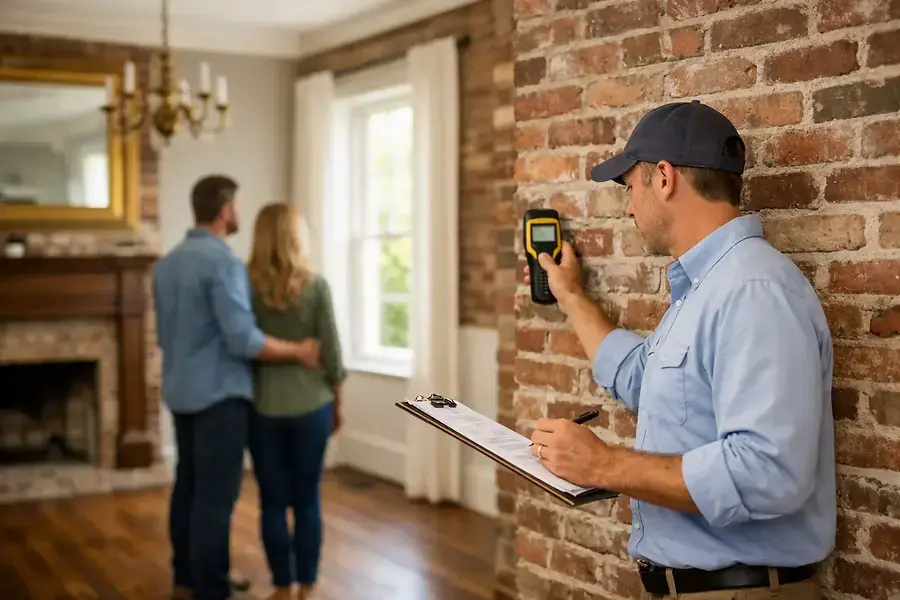
A home inspection is one of the most important steps in the home-buying process, especially in Charleston where historic and older properties are common. This comprehensive evaluation typically lasts two to three hours and involves a certified inspector examining the property's structural integrity, mechanical systems, and overall condition.
During a standard inspection, the inspector will create a detailed report documenting their findings. As a buyer, you have the right to be present during this inspection, and it's highly recommended that you attend. This allows you to ask questions directly and understand potential issues firsthand.
What to Expect During Your Inspection
The inspector will use specialized tools and equipment to assess various components of the home. They'll check everything from the foundation to the roof, testing systems and looking for signs of damage or wear. The goal is to provide you with an objective assessment of the property's condition before you commit to the purchase.
Most inspections are non-invasive, meaning inspectors won't remove walls or dig into the property. However, they will open access panels, check attics, crawl spaces, and basements to get a complete picture of the home's condition.
Key Areas Inspectors Examine in Older Charleston Homes
Charleston's historic charm comes with unique inspection considerations. Older homes often have character and appeal, but they may also have outdated systems and materials that require special attention.
Foundation and Structural Components
Inspectors pay close attention to the foundation, looking for cracks, settling, or water damage. In Charleston, where moisture and humidity are prevalent, foundation issues are particularly important to identify early. They'll also examine the structural framing, beams, and support systems.
Roofing and Exterior
The roof is one of the most expensive components to replace. Inspectors evaluate the roof's age, condition, and remaining lifespan. They'll also check gutters, downspouts, siding, windows, and doors for water intrusion and weathering—critical concerns in Charleston's coastal climate.
Plumbing and Water Systems
Older Charleston homes may have outdated plumbing materials like galvanized pipes or cast iron. Inspectors test water pressure, check for leaks, and assess the overall condition of the plumbing system. They'll also evaluate the water heater and septic system if applicable.
Electrical Systems
Outdated electrical systems are common in historic homes. Inspectors verify that the electrical panel is adequate, check for proper grounding, and identify any safety concerns. Knob-and-tube wiring or aluminum wiring in older homes may require upgrades.
HVAC and Climate Control
The heating, ventilation, and air conditioning systems are tested for proper operation. In Charleston's warm climate, air conditioning efficiency is particularly important. Inspectors assess the age and condition of these systems and estimate their remaining useful life.
Moisture and Pest Issues
Given Charleston's humid subtropical climate, moisture intrusion is a significant concern. Inspectors look for signs of mold, mildew, water stains, and wood rot. They'll also check for evidence of pest infestations, particularly termites, which are prevalent in the region.
Red Flags and How to Respond to Inspection Reports
Not every issue found during an inspection is a deal-breaker. Understanding how to interpret findings and respond appropriately is crucial to your success as a buyer.
Major Red Flags
Certain findings warrant serious consideration:
- Foundation problems - Significant cracks, settling, or structural damage can be extremely expensive to repair
- Roof damage or age - A roof nearing the end of its lifespan may need replacement soon
- Electrical hazards - Outdated or unsafe electrical systems pose safety risks
- Plumbing failures - Major leaks or system failures can lead to water damage and costly repairs
- Mold or severe moisture damage - These issues can affect health and require professional remediation
- Evidence of termites or pest damage - Structural damage from pests can be extensive and costly
Minor Issues and Maintenance Items
Not all inspection findings are critical. Many items are simply maintenance recommendations or minor repairs that don't affect the home's safety or value significantly. Examples include caulking needs, paint touch-ups, or routine HVAC maintenance.
How to Respond
Once you receive the inspection report, you have several options:
- Request repairs - Ask the seller to fix major issues before closing
- Negotiate a price reduction - Reduce the offer price to account for needed repairs
- Request a credit at closing - Receive funds to handle repairs yourself after purchase
- Walk away - If issues are too severe or costly, you may choose to cancel the purchase
Your response should be based on the severity of issues, repair costs, and your comfort level with the property's condition. Consider obtaining repair estimates from contractors to inform your negotiations.
Moving Forward: Using Inspection Results to Negotiate Terms
The inspection report is a powerful negotiation tool. Armed with detailed findings, you can approach the seller from a position of knowledge and strength.
Prioritize Your Concerns
Focus your negotiation efforts on the most significant issues. Don't overwhelm the seller with requests for every minor item. Instead, identify the three to five most important repairs or adjustments and concentrate on those.
Get Professional Estimates
Before negotiating, obtain written estimates from licensed contractors for major repairs. These estimates provide concrete numbers to support your requests and demonstrate that your concerns are legitimate and well-researched.
Be Reasonable and Professional
Approach negotiations professionally and reasonably. Sellers are more likely to work with you if you're fair and respectful. Remember that the seller may not have been aware of all the issues, and they may be just as surprised by the inspection findings as you are.
Document Everything
Keep copies of the inspection report, contractor estimates, and all correspondence related to negotiations. This documentation protects you and provides a clear record of what was agreed upon before closing.
A thorough home inspection is an investment in your peace of mind and financial security. By understanding the inspection process, knowing what to look for, and responding strategically to findings, you'll be well-equipped to make an informed decision about your Charleston home purchase. Don't skip this critical step—it could save you thousands of dollars and prevent costly surprises after you've closed on your new home.