Home Inspection Essentials: What Every Clinton, MO Buyer Must Know
A comprehensive guide to what inspectors look for and why it matters for your property investment.

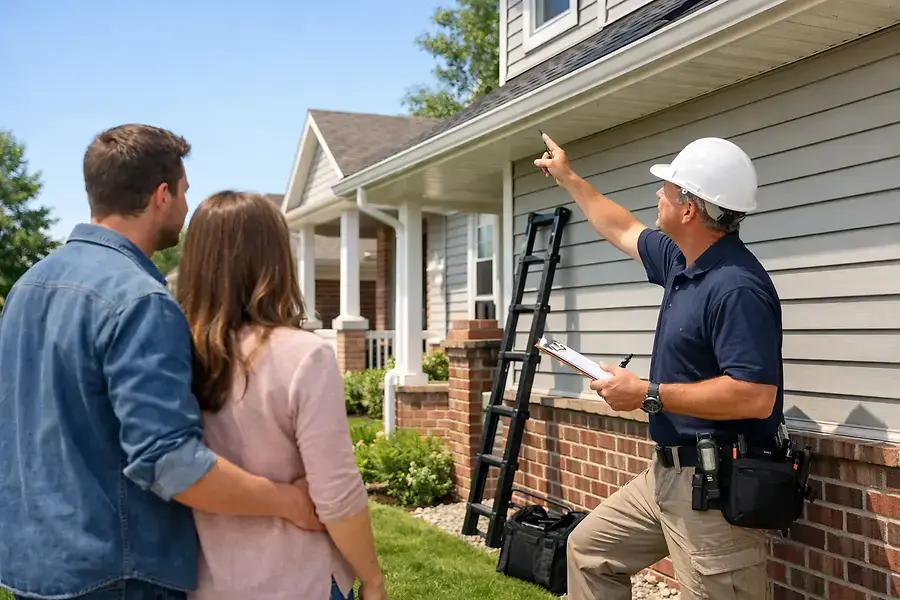
Why Home Inspections Are Critical for Clinton Buyers
Purchasing a home is one of the most significant investments you'll make in your lifetime. For buyers in Clinton, Missouri, a professional home inspection is not just a formality—it's a crucial safeguard that can save you thousands of dollars and prevent costly surprises down the road. A thorough inspection provides you with an independent, unbiased assessment of your potential property's condition before you commit to the purchase.
Home inspections serve multiple purposes. They identify structural problems, safety hazards, and maintenance issues that may not be visible during a casual walkthrough. They also give you leverage in negotiations, allowing you to request repairs or credits from the seller based on inspection findings. Most importantly, they provide peace of mind knowing exactly what you're buying.
Common Issues Found in Clinton, MO Properties and What They Mean
Roof and Attic Concerns
Clinton's climate can be tough on roofing materials. Inspectors typically look for missing or damaged shingles, improper ventilation, and signs of water damage. A compromised roof can lead to interior water damage, mold growth, and structural deterioration. Roof repairs or replacement can be expensive, so understanding the roof's age and condition is essential.
Foundation and Structural Issues
The foundation is your home's backbone. Inspectors examine it for cracks, settling, and water intrusion. Foundation problems are serious and can affect the entire structure's integrity. Common signs include:
- Visible cracks in the foundation or basement walls
- Uneven or sloping floors
- Water seepage or dampness in basements
- Gaps between walls and the foundation
HVAC and Electrical Systems
Your heating, ventilation, and air conditioning system must function properly for comfort and safety. Inspectors test these systems and note their age and condition. Similarly, electrical systems are checked for outdated wiring, insufficient outlets, and potential fire hazards. Outdated electrical systems may require upgrades to meet current safety standards.
Plumbing and Water Issues
Water damage is one of the most common and costly problems in homes. Inspectors check for:
- Leaking pipes and fixtures
- Water stains on ceilings and walls
- Mold or mildew growth
- Inadequate water pressure
- Outdated plumbing materials
Early detection of water issues can prevent extensive damage and expensive remediation.
Insulation and Ventilation
Proper insulation keeps your home energy-efficient and comfortable. Inspectors assess attic insulation levels and ventilation to ensure your home maintains appropriate temperatures and prevents moisture buildup. Poor insulation can lead to higher utility bills and comfort issues.
Preparing Your Home for Inspection and Addressing Red Flags
Before the Inspector Arrives
If you're a seller preparing for inspection, make your home as accessible as possible. Ensure the inspector can reach the attic, basement, crawl spaces, and exterior areas. Clear clutter, fix obvious issues like broken fixtures, and make sure utilities are functioning. A well-maintained appearance doesn't hide problems, but it does show you care for the property.
Understanding Red Flags
Certain findings should raise immediate concerns:
- Structural damage: Cracks, settling, or foundation issues require professional evaluation
- Mold or water damage: These indicate moisture problems that need addressing
- Outdated electrical systems: Knob-and-tube wiring or aluminum wiring pose safety risks
- Asbestos or lead paint: These hazardous materials require professional remediation
- Roof damage: Significant wear means replacement may be imminent
What Buyers Should Do
After receiving your inspection report, don't panic. Many issues are manageable and can be negotiated. Request written estimates for major repairs and use these to negotiate with the seller. You have several options: ask the seller to make repairs, request a credit toward closing costs, or renegotiate the purchase price. Some buyers choose to proceed as-is if the issues are minor or if they're comfortable handling repairs themselves.
"A home inspection is an investment in your future. The few hundred dollars spent on an inspection can save you tens of thousands in unexpected repairs."
Using Inspection Results to Make Informed Real Estate Decisions
Your inspection report is a powerful tool. Review it carefully with your real estate agent and consider hiring specialists for any major concerns. Don't ignore red flags or assume problems will resolve themselves—they typically worsen over time and become more expensive to fix.
Use the inspection results to:
- Understand the true condition of the property
- Negotiate repairs or credits with the seller
- Plan for future maintenance and upgrades
- Determine if the property is worth the asking price
- Make a confident, informed purchasing decision
For Clinton, MO buyers, a thorough home inspection is your best defense against costly surprises. It empowers you to make decisions based on facts rather than assumptions. Whether you're a first-time homebuyer or an experienced investor, understanding what inspectors look for and why it matters will help you navigate the real estate market with confidence and protect your investment for years to come.


