Home Inspection Essentials: What Every Fort Worth Buyer Must Know Before Closing
Learn what professional home inspectors look for and how to protect your investment in Fort Worth real estate.

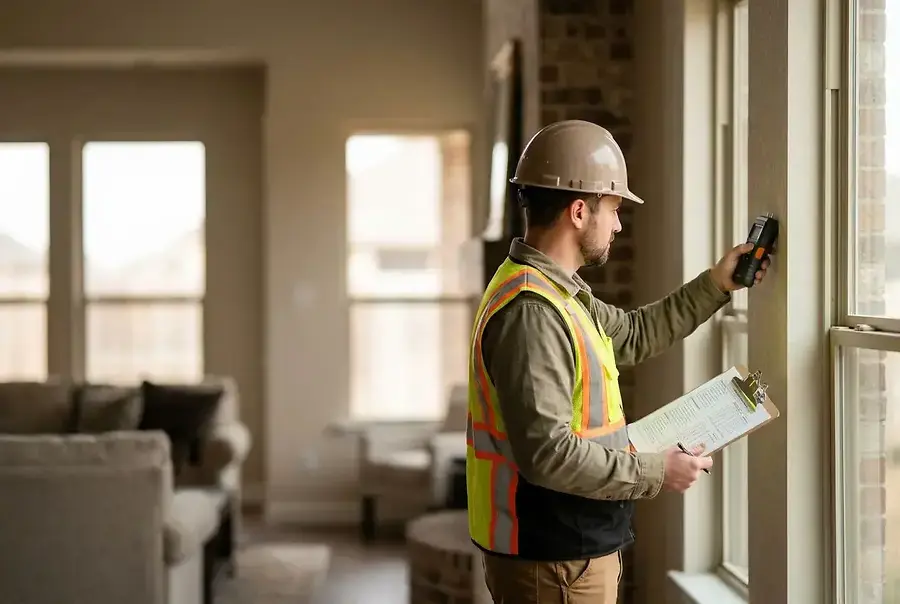
Understanding the Home Inspection Process and What It Covers
A professional home inspection is one of the most important steps in the home buying process. This comprehensive evaluation examines the structural integrity, mechanical systems, and overall condition of a property. In Fort Worth, where homes range from historic properties to modern constructions, understanding what inspectors evaluate can help you make informed decisions.
What Home Inspectors Examine
Professional home inspectors conduct a thorough walkthrough of your potential new home, checking multiple systems and components:
- Structural Components: Foundation, walls, roof, and framing integrity
- Roofing Systems: Condition, age, and remaining lifespan of shingles and underlayment
- HVAC Systems: Heating, ventilation, and air conditioning functionality and maintenance history
- Plumbing: Water pressure, drainage, pipe condition, and potential leaks
- Electrical Systems: Panel condition, wiring safety, and outlet functionality
- Insulation and Ventilation: Energy efficiency and moisture control
- Appliances: Functionality of included fixtures and systems
- Exterior Elements: Siding, windows, doors, and landscaping drainage
The inspection typically takes 2-4 hours depending on the home's size and age. Inspectors use specialized tools and equipment to assess conditions that aren't visible to the naked eye, providing you with a detailed report of the property's condition.
Red Flags and Common Issues Found in Fort Worth Homes
Fort Worth's climate and construction history create specific challenges for homeowners. Understanding common issues can help you evaluate inspection findings more effectively.
Foundation and Structural Concerns
Texas clay soil can cause foundation movement, particularly in older homes. Look for:
- Cracks in foundation walls or concrete slabs
- Uneven floors or sloping ceilings
- Doors and windows that stick or won't close properly
- Gaps between walls and trim
Roof and Water Damage Issues
Roof condition is critical in Fort Worth's climate. Severe weather, including hail and heavy rain, can compromise roofing systems. Common findings include:
- Missing or damaged shingles
- Roof age exceeding 20 years
- Water stains on ceilings or attic framing
- Inadequate attic ventilation
HVAC System Problems
Air conditioning systems work overtime in Fort Worth summers. Inspectors often find aging units, refrigerant leaks, or inadequate maintenance. Replacing an HVAC system can cost $5,000-$10,000, making this a significant negotiation point.
Plumbing and Water Issues
Older homes may have outdated plumbing materials prone to corrosion. Watch for low water pressure, slow drains, or signs of previous water damage in basements or crawl spaces.
How to Review Inspection Reports and Negotiate Repairs
Once you receive the inspection report, take time to understand the findings before making decisions about repairs and negotiations.
Interpreting Your Inspection Report
Professional inspection reports categorize findings by severity:
- Critical Issues: Safety hazards or major structural problems requiring immediate attention
- Major Concerns: Significant repairs needed within the next few years
- Minor Issues: Maintenance items or cosmetic concerns
- Recommendations: Suggestions for future maintenance or upgrades
Don't panic if the report identifies issues. Most homes have some concerns. The key is understanding which problems are deal-breakers and which are manageable.
Negotiation Strategies
You have several options when inspection reveals problems:
- Request Repairs: Ask the seller to fix critical issues before closing
- Request Credits: Negotiate a reduction in purchase price to cover repair costs
- Request Inspections: Ask for specialized inspections (pest, mold, radon) for specific concerns
- Walk Away: Use inspection contingencies to exit the contract if issues are severe
Work with your real estate agent to prioritize negotiations. Focus on safety issues and major systems rather than cosmetic concerns. Sellers are more likely to negotiate on structural or mechanical problems than minor repairs.
Getting Second Opinions
For significant findings, consider hiring specialists. A structural engineer can assess foundation concerns, while an HVAC technician can evaluate heating and cooling systems. These expert opinions strengthen your negotiating position.
Protecting Your Purchase: Next Steps After Inspection Results
The inspection period is your opportunity to thoroughly evaluate the property before committing to the purchase.
Document Everything
Keep detailed records of all inspection findings and communications. Photograph areas of concern and maintain copies of all reports. This documentation protects you if issues arise after closing and helps with future insurance or warranty claims.
Plan for Future Maintenance
Even if the inspection reveals no major issues, use the report to plan maintenance. Understanding the age of major systems helps you budget for future replacements. A 15-year-old roof, for example, may need replacement within 5-10 years.
Consider Home Warranties
Home warranties can provide peace of mind by covering repair costs for major systems during the first year of ownership. Discuss warranty options with your real estate agent, particularly if the inspection reveals aging systems.
Schedule Professional Follow-Up
After closing, schedule maintenance appointments with qualified professionals. Have HVAC systems serviced, plumbing inspected, and electrical systems evaluated by licensed contractors. Preventive maintenance extends system lifespan and prevents costly emergency repairs.
The home inspection is your final opportunity to make an informed decision about one of the largest purchases of your life. Take it seriously, ask questions, and don't hesitate to seek expert opinions on significant findings.
Moving Forward with Confidence
A thorough home inspection protects your investment and provides valuable information about your new property. By understanding the inspection process, recognizing common Fort Worth issues, and negotiating effectively, you can close on your home with confidence. Remember that no home is perfect—the goal is understanding what you're buying and planning accordingly for maintenance and repairs.


