Home Inspection Essentials: What Every Henderson Buyer Needs to Know
Discover the critical inspection items that protect your investment and prevent costly surprises when purchasing a home in Henderson, Nevada.

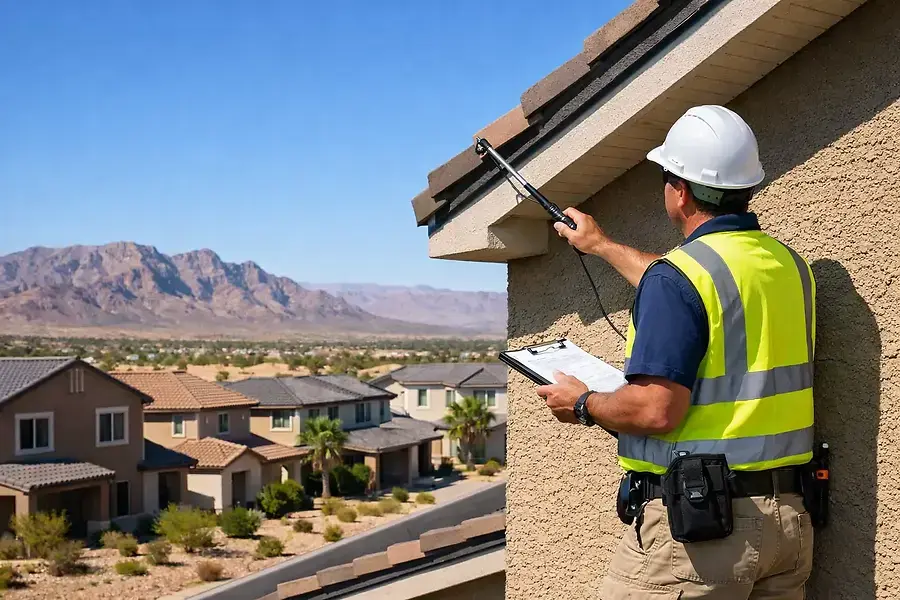
Why Home Inspections Matter in Henderson's Real Estate Market
Purchasing a home is one of the most significant financial decisions you'll make in your lifetime. In Henderson's competitive real estate market, a thorough home inspection serves as your safeguard against hidden defects and costly repairs. A professional home inspection provides an objective assessment of a property's condition, giving you the knowledge needed to negotiate effectively and avoid purchasing a money pit.
Henderson's unique climate and construction patterns mean that certain issues are more prevalent than others. The desert heat, occasional flash flooding, and the age of various neighborhoods all contribute to specific wear and tear patterns. By understanding what to look for during an inspection, you empower yourself to make informed decisions that protect your investment for years to come.
The Top Inspection Red Flags Every Buyer Should Watch For
Structural and Foundation Issues
The foundation is literally the backbone of your home. Look for cracks in the foundation, uneven floors, or doors that don't close properly. These signs may indicate settling or structural movement that requires expensive repairs. In Henderson's desert environment, foundation issues can develop due to soil composition and temperature fluctuations.
Roof and Exterior Damage
Your roof protects everything beneath it. Inspectors should examine:
- Missing or damaged shingles
- Signs of water damage or leaks
- Deteriorated flashing around chimneys and vents
- Age of the roof (most roofs last 15-25 years)
Henderson's intense sun can accelerate roof deterioration, making this inspection point particularly important.
Plumbing and Water Systems
Water damage is expensive and can lead to mold growth. During inspection, verify:
- Water pressure and drainage throughout the home
- Presence of galvanized pipes (which corrode over time)
- Signs of leaks under sinks and around toilets
- Water heater condition and age
Electrical Systems
Outdated or faulty electrical systems pose serious safety risks. Inspectors should check for outdated wiring, insufficient outlets, and proper grounding. Homes built several decades ago may have aluminum wiring or inadequate electrical capacity for modern appliances.
HVAC and Climate Control
In Henderson's desert climate, air conditioning is essential. Ensure the HVAC system is functioning properly and has been regularly maintained. Ask about the age of the unit and when it was last serviced. A failing AC system can cost $5,000-$15,000 to replace.
Pest and Termite Damage
Nevada's warm climate attracts various pests. Look for signs of termite damage, rodent droppings, or insect infestations. Termite damage can be extensive and expensive to treat, making this inspection critical.
Mold and Moisture Issues
While Henderson is dry, water intrusion can still occur. Inspect basements, crawl spaces, and areas around windows for mold growth, water stains, or musty odors. Mold remediation can be costly and may affect your family's health.
How to Prepare for and Navigate Your Home Inspection Process
Choosing the Right Inspector
Select a licensed, certified home inspector with experience in the Henderson area. Verify their credentials, insurance, and ask for references from previous clients. A qualified inspector should be a member of professional organizations like the American Society of Home Inspectors (ASHI).
Before the Inspection
Prepare by:
- Requesting a detailed inspection report format in advance
- Ensuring the property is accessible and utilities are on
- Gathering any available maintenance records from the seller
- Making a list of specific concerns you want addressed
During the Inspection
Attend the inspection in person if possible. This allows you to ask questions, understand issues firsthand, and see problem areas directly. Walk through the home with the inspector and take notes. Ask about the severity of any issues and potential repair costs.
Pay special attention to:
- How the inspector tests systems and explains findings
- Areas of concern they flag as needing further evaluation
- Recommendations for professional follow-up inspections (electrical, plumbing, pest control)
After the Inspection
Review the detailed inspection report carefully. Don't ignore minor issues—they can compound over time. For significant problems, consider obtaining quotes from contractors for repairs. Use this information to negotiate with the seller or decide whether to proceed with the purchase.
When to Request Additional Inspections
If the general inspection reveals concerns, hire specialists:
- Pest inspectors for termite and insect damage
- Mold specialists if moisture issues are suspected
- Electrical contractors for outdated wiring concerns
- Plumbers for significant water system issues
Using Inspection Results to Make Confident Purchasing Decisions
A home inspection report is a negotiating tool. Armed with detailed findings, you can:
- Request the seller make repairs before closing
- Negotiate a lower purchase price to account for repairs
- Ask for credits toward repairs you'll handle yourself
- Walk away from the deal if issues are too severe
Remember: No home is perfect. The goal is to understand what you're buying and make an informed decision. Some issues are minor cosmetic concerns, while others indicate serious structural or safety problems.
Don't let inspection results overwhelm you. Work with your real estate agent to prioritize issues by severity and cost. Focus on problems that affect safety, structural integrity, and major systems. Minor repairs and cosmetic updates can often be addressed after purchase.
A thorough home inspection is an investment in your peace of mind. By understanding what to look for and how to navigate the inspection process, you're taking control of one of life's biggest purchases. In Henderson's dynamic real estate market, an informed buyer is an empowered buyer.


