Home Inspection Essentials: What Every Little Rock Buyer Should Know
Discover the critical inspection points that protect your investment and prevent costly surprises in Little Rock's real estate market.

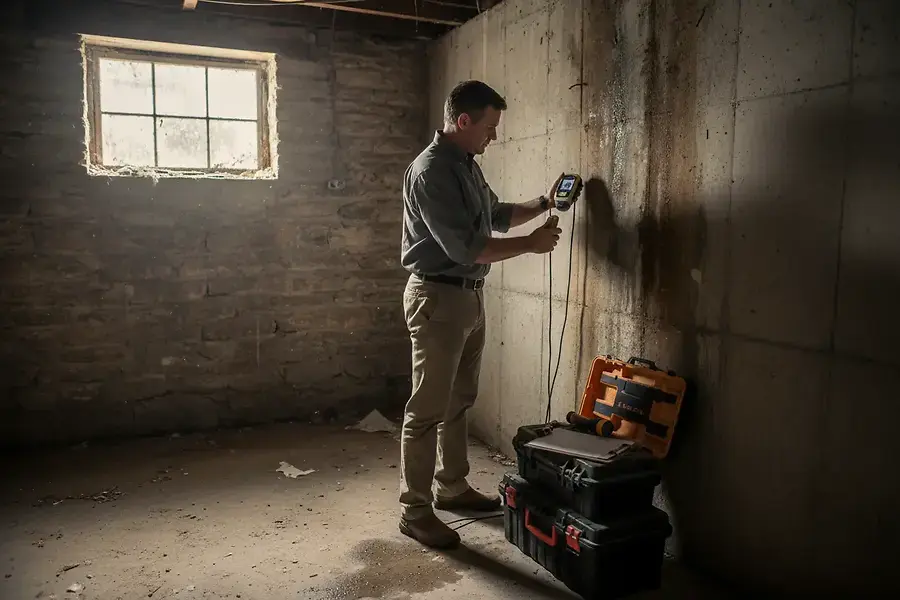
Why Home Inspections Matter in Little Rock
Purchasing a home is one of the most significant financial decisions you'll make in your lifetime. In Little Rock's dynamic real estate market, a professional home inspection serves as your safeguard against hidden defects and costly repairs. Whether you're a first-time buyer or an experienced investor, understanding what inspectors evaluate can mean the difference between a sound investment and a financial burden.
A comprehensive home inspection provides an objective assessment of a property's condition, revealing issues that might not be visible during a casual walkthrough. This knowledge empowers you to negotiate better terms, plan for necessary repairs, or make an informed decision about whether to proceed with the purchase.
Key Areas Inspectors Evaluate in Arkansas Homes
Structural Components and Foundation
The foundation is the backbone of any home. Arkansas inspectors pay special attention to signs of settling, cracks, or water intrusion—issues that are particularly relevant in our region's climate. They examine:
- Foundation cracks and their severity
- Basement or crawl space moisture and drainage
- Structural support beams and posts
- Signs of pest damage or wood rot
Roofing and Exterior
Your roof protects everything beneath it. Inspectors evaluate the age, condition, and remaining lifespan of roofing materials. They also assess:
- Gutters and downspout functionality
- Siding condition and water damage
- Windows and doors for proper sealing
- Exterior paint and caulking integrity
Plumbing Systems
Water-related issues can be expensive and damaging. Inspectors test water pressure, check for leaks, and evaluate the age and material of pipes. They examine:
- Water heater condition and age
- Drainage and sewage systems
- Visible pipes for corrosion or damage
- Bathroom and kitchen fixtures
Electrical Systems
Safety is paramount when evaluating electrical systems. Inspectors verify that your home meets current electrical codes and check for potential hazards such as:
- Outdated or unsafe panel configurations
- Proper grounding and bonding
- Adequate outlet placement and functionality
- Signs of overloaded circuits
HVAC and Climate Control
Arkansas summers and winters demand reliable heating and cooling systems. Inspectors evaluate the age, efficiency, and maintenance history of your HVAC equipment, ensuring it can handle the demands of our climate.
Interior Components
Beyond the major systems, inspectors examine walls, ceilings, floors, insulation, and ventilation. They look for signs of water damage, mold, pest infestations, and inadequate insulation—all critical factors in Arkansas homes.
Understanding Inspection Reports and Red Flags
Decoding Your Inspection Report
A thorough inspection report will categorize findings into three levels: safety concerns, major repairs, and minor maintenance items. Understanding this hierarchy helps you prioritize your next steps.
A professional inspection report is your roadmap to making an informed decision about your potential home purchase.
Critical Red Flags to Watch For
Certain findings warrant serious consideration:
- Foundation issues: Extensive cracks or settling can indicate structural problems requiring expensive repairs
- Roof damage: A roof nearing the end of its lifespan may need replacement within years
- Electrical hazards: Outdated panels or improper grounding pose safety risks
- Plumbing problems: Corroded pipes or sewage issues can be costly to address
- Mold or water damage: These indicate moisture problems that can affect health and structural integrity
- HVAC failure: Aging systems may require replacement soon
Understanding Severity Levels
Not all findings are deal-breakers. Minor issues like worn caulking or small cosmetic repairs are normal in older homes. However, safety concerns and major structural issues deserve careful consideration and professional consultation.
Taking Action: Next Steps After Your Inspection
Request a Second Opinion
For significant findings, consider hiring a specialist. A structural engineer, electrician, or plumber can provide detailed assessments and repair cost estimates.
Negotiate with the Seller
Armed with your inspection report, you have leverage to negotiate. You can request:
- Repairs completed before closing
- Credits toward repairs you'll handle yourself
- Price reductions reflecting repair costs
Plan Your Budget
Use inspection findings to create a realistic maintenance and repair budget. Prioritize safety issues and major systems, then plan for cosmetic improvements over time.
Schedule Follow-Up Inspections
For items requiring specialist attention, arrange detailed inspections before finalizing your purchase decision.
Empowering Buyers Through Knowledge
A professional home inspection is an investment in your peace of mind and financial security. By understanding what inspectors evaluate and how to interpret their findings, you're taking control of one of life's biggest purchases.
In Little Rock's real estate market, informed buyers make better decisions. Don't skip this critical step—hire a qualified inspector, review the report thoroughly, and use the information to negotiate confidently. Your future self will thank you for the diligence you invest today.
Remember: A home inspection isn't about finding reasons to walk away; it's about understanding what you're buying and planning accordingly. With this knowledge, you can move forward with confidence in your Little Rock home purchase.


