Home Inspection Essentials: What Every Residential Buyer Must Know
Protect your investment by understanding what inspectors look for and why it matters for your purchase decision.

Why Home Inspections Are Non-Negotiable for Residential Purchases
Purchasing a home is one of the most significant financial decisions you'll make in your lifetime. While it's easy to fall in love with a property's aesthetic appeal, what lies beneath the surface—literally and figuratively—can make or break your investment. A professional home inspection is your safeguard against costly surprises and hidden defects that could drain your finances for years to come.
A comprehensive home inspection provides an objective, detailed assessment of a property's condition. Rather than relying on the seller's representations or your own untrained eye, a certified inspector examines the home's structural integrity, mechanical systems, and safety features. This expert evaluation gives you the knowledge needed to negotiate confidently, make informed decisions, and avoid purchasing a property with serious underlying issues.
Think of a home inspection as an insurance policy for your purchase. It typically costs between $300 and $700, a small fraction of the property's price, yet it can save you thousands in unexpected repairs and renovations.
Key Areas Inspectors Evaluate: Structural, Systems, and Safety Concerns
Structural Components
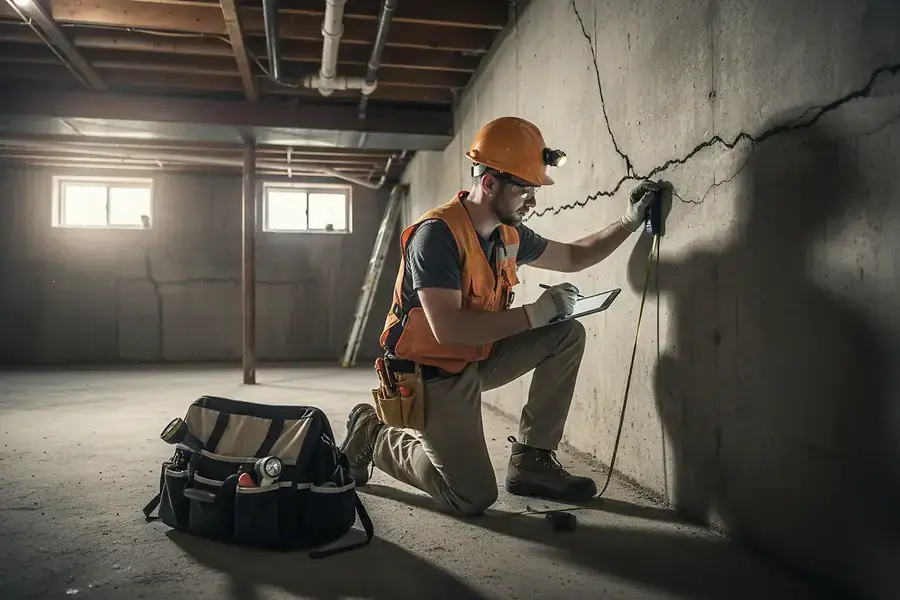
Inspectors begin by examining the home's foundation, which is critical to the entire structure's stability. They look for cracks, settling, water damage, and signs of foundation movement. The roof is another crucial element—inspectors assess its age, condition, and remaining lifespan. They also evaluate walls, ceilings, and floors for signs of damage, water intrusion, or structural compromise.
- Foundation integrity and potential settlement issues
- Roof condition, age, and remaining useful life
- Wall and ceiling structural soundness
- Floor stability and support systems
Mechanical and Electrical Systems
The home's vital systems—heating, cooling, plumbing, and electrical—are thoroughly examined. Inspectors test HVAC systems to ensure they operate efficiently, check for proper ventilation, and assess the age of major components. Plumbing inspections reveal water pressure issues, pipe material and condition, and potential leaks. Electrical systems are evaluated for safety, proper grounding, and code compliance.
- HVAC system functionality and efficiency
- Plumbing integrity and water quality
- Electrical panel safety and circuit capacity
- Water heater condition and age
Safety and Environmental Concerns
Modern home inspections include assessments for potential hazards. Inspectors check for the presence of asbestos, lead paint, mold, and radon—substances that pose serious health risks. They also evaluate fire safety features, including smoke detectors, carbon monoxide detectors, and fire extinguishers. Proper ventilation and moisture control are examined to prevent future mold growth and indoor air quality issues.
- Presence of asbestos, lead paint, or other hazardous materials
- Mold and moisture control issues
- Radon and carbon monoxide levels
- Fire safety equipment and egress windows
Red Flags to Watch For and How They Affect Your Offer Price
Major Red Flags That Demand Attention
Foundation problems are among the most serious issues an inspector can discover. Cracks wider than 1/4 inch, bowing walls, or evidence of water intrusion suggest structural failure that could cost $10,000 to $50,000+ to repair. Similarly, roof damage or age is a significant concern—a roof nearing the end of its lifespan may need replacement within a few years, costing $8,000 to $25,000 depending on size and materials.
Electrical hazards such as outdated wiring, improper grounding, or overloaded circuits pose fire risks and may require expensive upgrades. Plumbing issues like corroded pipes, inadequate water pressure, or sewage problems can lead to costly repairs and potential health hazards. HVAC system failures requiring replacement can cost $5,000 to $15,000.
How Red Flags Impact Your Offer
Once you receive the inspection report, you have several options. You can renegotiate the purchase price to account for necessary repairs—many sellers will reduce the price rather than make repairs themselves. You can request that the seller make specific repairs before closing, with verification by a follow-up inspection. Alternatively, you might walk away from the deal if issues are too severe or costly.
Pro Tip: Always include an inspection contingency in your purchase agreement. This allows you to back out or renegotiate if serious issues are discovered, protecting you from inheriting expensive problems.
Minor Issues vs. Deal-Breakers
Not every finding requires immediate action. Minor issues like worn caulking, small cosmetic damage, or aging appliances are typically considered normal wear and tear. However, systemic problems affecting safety, structural integrity, or major systems warrant serious consideration and negotiation.
Making Informed Decisions with Professional Inspection Guidance
A thorough home inspection empowers you to make decisions based on facts rather than emotions. Before selecting an inspector, verify their credentials—they should be licensed, insured, and members of professional organizations like the American Society of Home Inspectors (ASHI). Request references and ensure they provide detailed written reports with photographs.
During the inspection, attend in person whenever possible. This allows you to ask questions, understand the inspector's concerns, and see issues firsthand. Request clarification on any findings you don't understand, and ask about the estimated cost and timeline for repairs.
After receiving the report, take time to review it carefully. Consult with contractors or specialists for second opinions on major issues if needed. Use the findings as leverage in negotiations, but remain realistic about what constitutes a legitimate concern versus normal property aging.
Remember, no home is perfect. The goal of an inspection isn't to find a flawless property—it's to ensure you understand what you're buying and can make an informed financial decision. By taking home inspections seriously and acting on the findings, you protect your investment and avoid costly surprises down the road.


