Home Inspection Essentials: What Every Residential Buyer Must Know
Discover the critical inspection points that protect your investment and reveal hidden property issues before closing.

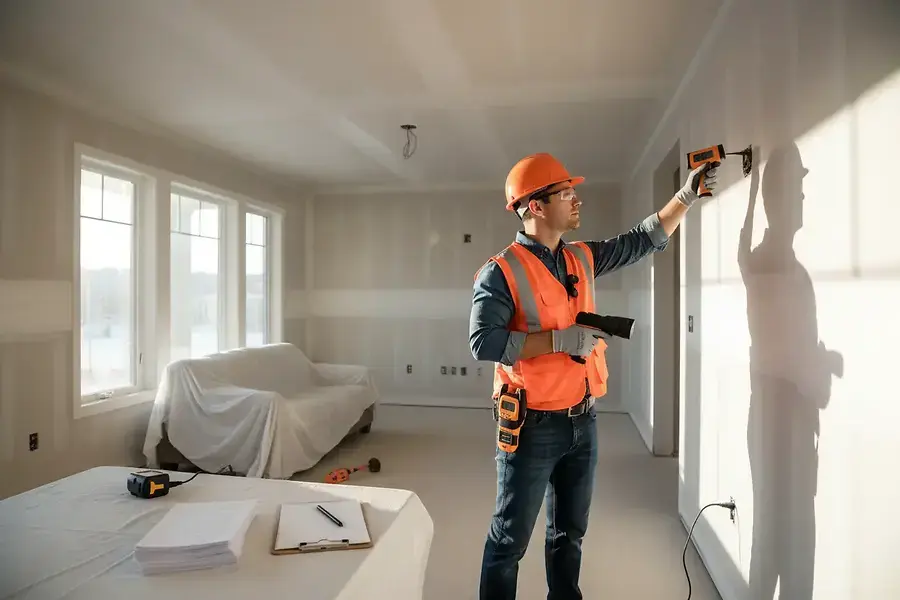
Why Home Inspections Are Non-Negotiable for Residential Purchases
Purchasing a home is one of the most significant financial decisions you'll make in your lifetime. While the excitement of finding your dream property can be overwhelming, skipping or underestimating the importance of a professional home inspection is a costly mistake. A thorough inspection serves as your financial safeguard, revealing structural issues, safety hazards, and maintenance problems that could cost thousands of dollars to repair after closing.
Home inspections provide you with an objective assessment of the property's condition. Unlike the seller's disclosure, which may be incomplete or biased, a certified inspector brings expertise and impartiality to the table. This inspection report becomes your negotiating tool, allowing you to request repairs, credits, or price reductions before you commit to the purchase.
Key Areas Professional Inspectors Evaluate and Red Flags to Watch For
Structural Integrity and Foundation
The foundation is the backbone of any home. Inspectors examine the foundation for cracks, settling, and water damage. Watch for horizontal cracks, which indicate serious structural problems, versus minor vertical cracks that are often cosmetic. Foundation issues can be extremely expensive to repair and may affect the home's resale value.
Roofing System
Your roof protects everything beneath it. Inspectors assess the roof's age, condition, and remaining lifespan. Red flags include:
- Missing or damaged shingles
- Sagging roof lines
- Excessive moss or algae growth
- Improper ventilation
- Flashing issues around chimneys and vents
A roof replacement can cost $10,000 to $25,000 or more, making this a critical inspection area.
Plumbing and Water Systems
Inspectors test water pressure, check for leaks, and evaluate the water heater's condition. Major concerns include:
- Outdated or corroded pipes (galvanized or polybutylene)
- Signs of water damage or mold
- Slow drains or backups
- Water heater age and functionality
Water-related issues can lead to mold growth and structural damage if left unaddressed.
Electrical System
A safe electrical system is non-negotiable. Inspectors examine the panel, wiring, outlets, and grounding. Critical red flags:
- Outdated or insufficient electrical panels
- Aluminum wiring (fire hazard)
- Missing ground fault circuit interrupters (GFCIs)
- Improper grounding
- Overloaded circuits
Electrical issues pose serious safety risks and should be addressed immediately.
HVAC Systems
Heating, ventilation, and air conditioning systems are essential for comfort and indoor air quality. Inspectors evaluate the furnace, air conditioner, and ductwork. Watch for:
- Systems nearing the end of their lifespan (typically 15-20 years)
- Inadequate maintenance history
- Poor air flow or uneven temperature distribution
- Refrigerant leaks in air conditioning units
Insulation and Ventilation
Proper insulation and ventilation affect energy efficiency and prevent moisture problems. Inspectors check attic insulation levels and ventilation adequacy. Inadequate insulation can result in higher utility bills and potential ice dam issues in winter climates.
How to Prepare for an Inspection and Interpret the Final Report
Before the Inspection
Prepare yourself by:
- Hiring a certified, licensed home inspector with relevant experience
- Attending the inspection in person to ask questions and observe findings
- Requesting a detailed written report with photographs
- Asking about the inspector's credentials and insurance
Your presence during the inspection allows you to understand issues firsthand and ask clarifying questions.
Understanding the Inspection Report
Home inspection reports typically categorize findings into three levels: safety issues, major repairs, and minor maintenance items.
Safety issues require immediate attention and may include electrical hazards, gas leaks, or structural problems. Major repairs involve significant expenses, such as roof replacement or foundation work. Minor maintenance items are routine upkeep tasks that don't pose immediate threats.
Don't panic if the report identifies issues—most homes have some problems. Instead, focus on the severity and cost of repairs. Prioritize safety concerns and major structural issues when negotiating with the seller.
Next Steps After Receiving the Report
Once you have the inspection report, you have several options:
- Request repairs: Ask the seller to fix critical issues before closing
- Negotiate credits: Request a price reduction to cover repair costs yourself
- Request re-inspection: Have the inspector verify that repairs were completed properly
- Walk away: If issues are too severe or costly, you may choose to withdraw from the purchase
Your inspection contingency period (typically 7-10 days) gives you time to make these decisions.
Using Inspection Findings to Negotiate and Protect Your Investment
The inspection report is your most powerful negotiating tool. Approach negotiations strategically:
Focus on documented, significant issues rather than cosmetic concerns. Sellers are more likely to respond to safety hazards and major structural problems than minor aesthetic issues. Get repair estimates from licensed contractors to support your negotiation requests with concrete numbers.
Remember: A thorough home inspection isn't about finding reasons to back out of a deal—it's about making an informed decision and protecting your investment.
Consider the age and condition of major systems when evaluating repair requests. A 20-year-old roof nearing the end of its lifespan is a legitimate concern, while a 5-year-old roof with minor damage may not warrant significant negotiation.
Don't skip the inspection to save money. The cost of a professional inspection (typically $300-$500) is minimal compared to the potential cost of undiscovered problems. This investment protects your financial future and provides peace of mind.
By understanding what inspectors evaluate, recognizing red flags, and using the inspection report effectively, you'll make a confident, informed decision about one of life's biggest purchases. Your home inspection is your advocate, ensuring that you're not inheriting someone else's problems.


