Home Inspection Essentials: What Every Residential Buyer Must Know
Discover the critical inspection items that protect your investment and prevent costly surprises after closing.

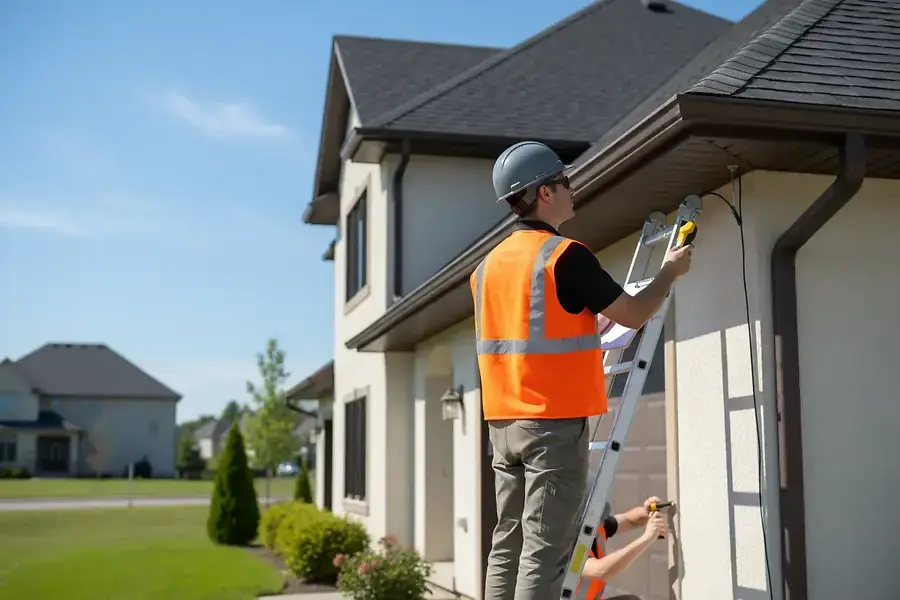
Why Home Inspections Matter for Residential Purchases
Purchasing a home is one of the most significant financial decisions you'll make in your lifetime. A professional home inspection is your safeguard against inheriting expensive problems and hidden defects that could drain your savings. Unlike the initial walkthrough with a real estate agent, a thorough home inspection provides an objective, detailed assessment of the property's condition.
Home inspectors are trained professionals who examine every major system and component of a house. They identify issues ranging from minor maintenance concerns to serious structural problems that could affect your safety and finances. By investing in a comprehensive inspection, you gain the knowledge needed to negotiate repairs, request credits, or make an informed decision about whether to proceed with the purchase.
The inspection process typically takes 2-4 hours and covers hundreds of individual items. This detailed examination can reveal problems that aren't visible during a casual showing, protecting you from costly surprises after closing.
Key Areas Inspectors Examine: Structural, Mechanical, and Safety Systems
Structural Components
Inspectors begin by evaluating the foundation, which is critical to the home's integrity. They look for cracks, settling, water damage, and signs of movement that could indicate serious problems. The roof is another essential component—inspectors assess its age, condition, and remaining lifespan. They examine:
- Foundation cracks and water intrusion
- Roof condition and potential leaks
- Walls, ceilings, and floors for damage or deterioration
- Attic ventilation and insulation
- Basement or crawl space conditions
Mechanical Systems
The home's mechanical systems keep it comfortable and functional. Inspectors test and evaluate:
- HVAC Systems: Heating, ventilation, and air conditioning units are checked for proper operation and age
- Plumbing: Water pressure, drainage, pipe condition, and water heater functionality
- Electrical Systems: Panel condition, outlet safety, and proper grounding
- Appliances: Built-in appliances are tested for proper operation
These systems represent significant replacement costs if they fail, making their condition crucial to your decision-making process.
Safety and Environmental Concerns
Inspectors also assess safety features and potential environmental hazards:
- Smoke and carbon monoxide detectors
- Stair railings and handrails
- Potential asbestos, lead paint, or mold
- Radon levels in basements
- Proper grounding of electrical systems
These items directly impact your family's health and safety, making them non-negotiable aspects of the inspection.
Red Flags and Deal-Breakers: Understanding Inspection Reports
Critical Issues That Require Immediate Attention
Once you receive the inspection report, understanding which issues are serious is essential. Some problems are deal-breakers that should prompt you to renegotiate or walk away:
- Foundation damage: Significant cracks, settling, or water intrusion can cost $10,000-$50,000+ to repair
- Roof replacement needed: A roof nearing the end of its lifespan or showing major damage requires immediate replacement ($8,000-$25,000+)
- Electrical hazards: Outdated wiring, improper grounding, or fire hazards pose safety risks
- Plumbing issues: Corroded pipes, sewage backups, or failed septic systems are expensive to fix
- Mold or water damage: Extensive mold or structural water damage indicates serious problems
- HVAC failure: A non-functional heating or cooling system requires replacement ($5,000-$15,000+)
Minor Issues vs. Major Concerns
Not every finding in an inspection report is a deal-breaker. Inspectors often note minor maintenance items like:
- Caulking around windows and doors
- Paint touch-ups
- Gutter cleaning or minor repairs
- Weatherstripping replacement
These are typically the seller's responsibility to address, but they're not reasons to abandon the purchase. The key is distinguishing between cosmetic issues and structural or safety concerns.
Using the Inspection Report to Negotiate
Armed with the inspection report, you have leverage to negotiate. You can:
- Request the seller make repairs before closing
- Ask for a credit toward repairs you'll handle yourself
- Renegotiate the purchase price based on repair costs
- Request a professional estimate for major repairs
Many sellers prefer offering credits rather than making repairs themselves, giving you control over the quality of work performed.
Taking Action on Your Inspection Results
Next Steps After Receiving Your Report
Once you have the inspection report, act promptly. Most purchase agreements include an inspection contingency period—typically 7-10 days—during which you can request repairs or renegotiate terms. Don't let this window close without taking action.
Review the report carefully with your real estate agent and consider hiring specialists for major concerns. For example, if the inspector notes potential foundation issues, a structural engineer's evaluation might be warranted. This additional assessment costs $300-$800 but provides peace of mind for major decisions.
Making Your Final Decision
After reviewing the inspection report and negotiating with the seller, you must decide whether to proceed. Consider:
- The total cost of repairs needed
- The age and condition of major systems
- Your comfort level with the property's condition
- The home's value relative to repair costs
- Your ability to handle repairs after closing
Remember, the inspection is your opportunity to make an informed decision. If the property has too many issues or the repairs are beyond your budget, walking away is a valid choice.
Planning for Future Maintenance
Even if the inspection reveals no major problems, use the report as a maintenance guide. The inspector's findings help you understand the home's systems and plan for future replacements. Most major systems have predictable lifespans—knowing when your roof, HVAC, or water heater will need replacement allows you to budget accordingly.
A thorough home inspection transforms you from a hopeful buyer into an informed one, ensuring your investment is sound and your family is safe.
Conclusion
Home inspections are not optional—they're essential protection for your investment. By understanding what inspectors examine, recognizing red flags, and taking action on the results, you position yourself to make the best decision possible. A professional inspection might reveal problems, but it prevents far costlier surprises after closing. Invest in a thorough inspection, carefully review the report, and negotiate confidently. Your future self will thank you for the diligence you show today.


