Home Inspection Essentials: What Every Residential Buyer Must Know Before Purchasing
Learn what professional inspectors evaluate and how to use inspection reports to negotiate the best deal on your new home.

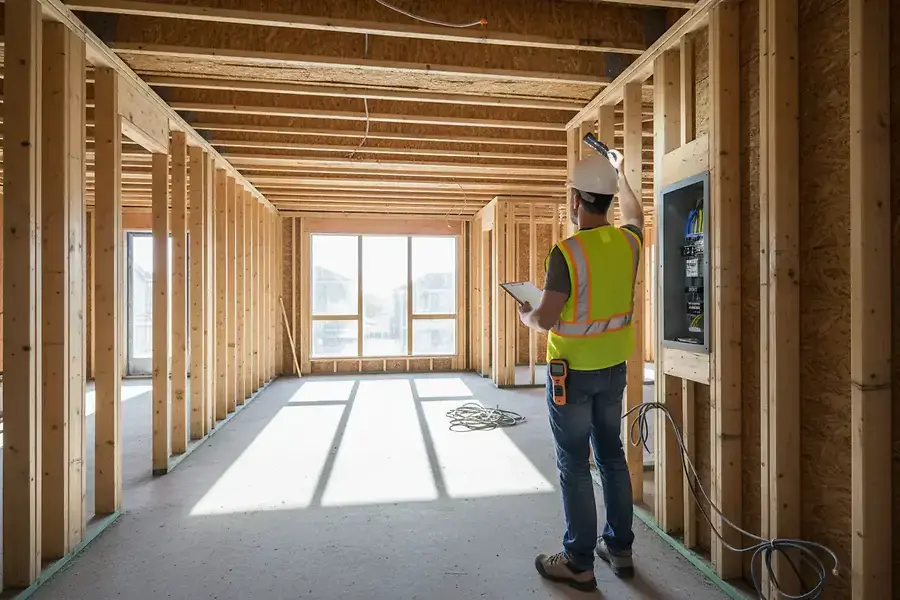
Why Professional Home Inspections Are Critical for Protecting Your Investment
Purchasing a home is one of the most significant financial decisions you'll make in your lifetime. Without a professional home inspection, you could be buying hidden problems that cost thousands of dollars to repair. A thorough inspection provides you with an objective assessment of the property's condition, giving you the knowledge needed to make an informed decision.
Home inspections serve as your protection against unexpected expenses and safety hazards. They reveal issues that aren't visible during a casual walkthrough, from structural problems to electrical defects. By investing in a professional inspection, you're essentially purchasing peace of mind and negotiating power.
What Home Inspectors Examine: Major Systems, Structural Issues, and Hidden Problems
The Foundation and Structural Integrity
Inspectors begin by evaluating the foundation for cracks, settling, or water damage. A compromised foundation is one of the most expensive problems to fix, potentially costing $10,000 to $100,000 or more. They'll look for signs of foundation movement, moisture intrusion, and structural deterioration that could affect the home's safety and longevity.
Roofing and Exterior Systems
The roof is your home's first line of defense against the elements. Inspectors assess:
- Shingle condition and remaining lifespan
- Flashing around chimneys and vents
- Gutters and downspout functionality
- Siding, windows, and door seals
- Signs of water damage or leaks
A roof replacement can easily exceed $15,000, making this evaluation crucial for budgeting future repairs.
Electrical Systems
Electrical issues pose serious safety risks, including fire hazards. Inspectors examine:
- The main electrical panel and circuit breakers
- Wiring condition and age
- Outlet and switch functionality
- Grounding and bonding systems
- Compliance with current electrical codes
Outdated wiring or overloaded circuits are red flags that require immediate attention from a licensed electrician.
Plumbing and Water Systems
Water damage is one of the most common and costly issues in homes. Inspectors check:
- Water pressure and flow rates
- Pipe material and condition (galvanized, copper, PVC)
- Presence of leaks or water stains
- Water heater age and functionality
- Drainage systems and sump pumps
Corroded pipes or active leaks can lead to expensive water damage and mold growth.
HVAC Systems
Heating, ventilation, and air conditioning systems are essential for comfort and indoor air quality. Inspectors evaluate:
- Furnace or heat pump age and condition
- Air conditioning unit functionality
- Ductwork integrity
- Thermostat operation
- Filter accessibility and maintenance requirements
Additional Areas of Concern
Professional inspectors also examine insulation levels, ventilation, attic conditions, basement or crawl spaces, and the presence of hazardous materials like asbestos or lead paint. They'll document any signs of pest infestation, mold, or moisture problems that could affect your health and the home's structural integrity.
Understanding Your Inspection Report: Red Flags, Repair Estimates, and Negotiation Strategies
Decoding the Inspection Report
A comprehensive inspection report typically categorizes findings into three levels: critical issues requiring immediate attention, major concerns needing repair within a reasonable timeframe, and minor items for future consideration. Understanding this hierarchy helps you prioritize which issues matter most.
Critical issues include structural damage, electrical hazards, plumbing failures, or roof leaks. These directly impact safety and habitability. Major issues might include aging HVAC systems or foundation cracks that need monitoring. Minor issues are cosmetic or preventative maintenance items.
Identifying Red Flags
Certain findings should trigger serious consideration:
- Foundation cracks or settling – Indicates structural problems
- Roof damage or age over 20 years – Replacement is imminent
- Outdated electrical panels or knob-and-tube wiring – Fire hazard and insurance issues
- Active water leaks or extensive water stains – Risk of mold and rot
- HVAC systems over 15 years old – Replacement costs are coming
- Mold or pest infestation – Health hazards and expensive remediation
Using Repair Estimates in Negotiations
The inspection report often includes repair cost estimates. Use these figures strategically in your negotiations. You have several options:
- Request seller repairs: Ask the seller to fix critical issues before closing
- Negotiate a price reduction: Reduce your offer by the estimated repair costs
- Request a credit at closing: The seller provides funds to cover repairs after purchase
- Walk away: If repairs are too extensive, you can withdraw your offer
Most buyers negotiate a price reduction rather than requesting seller repairs, as this gives you control over contractor selection and work quality.
Negotiation Best Practices
Be realistic and fair. Don't demand repairs for every minor issue. Focus on significant problems that affect safety, functionality, or resale value. Sellers are more likely to negotiate on critical issues than cosmetic concerns.
Get multiple quotes. Before negotiating, obtain estimates from licensed contractors for major repairs. This strengthens your negotiating position with concrete numbers.
Prioritize strategically. If the seller won't address all issues, prioritize critical safety concerns and expensive repairs over minor items.
Document everything. Keep all inspection reports, estimates, and correspondence. This protects you if disputes arise later.
Making Informed Decisions Based on Inspection Findings to Secure Your Home Purchase
A professional home inspection is your opportunity to make a fully informed decision about one of life's biggest purchases. The inspection report provides objective data about the property's condition, removing emotion from the equation and giving you leverage in negotiations.
Remember that no home is perfect. Older homes will have more wear and tear, while newer homes may have construction defects. The key is understanding what you're buying and negotiating accordingly. A $5,000 price reduction for a roof that needs replacement in five years is a smart investment in your future.
Use the inspection process as a learning opportunity. Ask your inspector questions, request explanations of technical issues, and understand the long-term maintenance your new home will require. This knowledge helps you budget for future repairs and maintain your property properly.
By taking home inspections seriously and using the findings strategically, you protect your investment, avoid costly surprises, and secure the best possible deal on your new home.


