Home Inspection Essentials: What Mountain Home Buyers Must Know
Discover the critical inspection points that protect your investment and reveal potential issues before you buy.

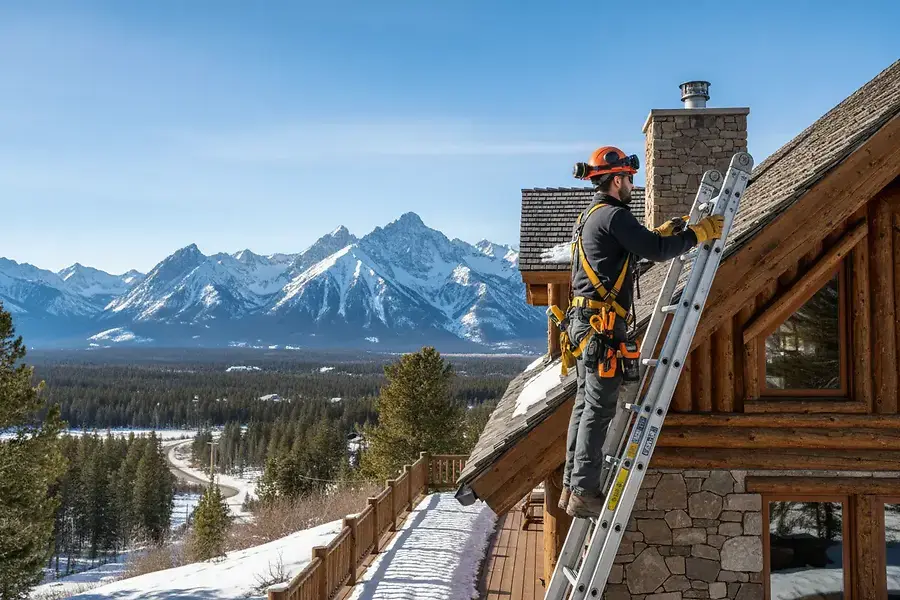
Introduction: Why Home Inspections Matter in Mountain Home's Real Estate Market
Purchasing a home in Mountain Home is an exciting milestone, but it's also one of the most significant financial decisions you'll make. A professional home inspection is your safeguard against costly surprises and hidden defects that could drain your budget after closing. In Mountain Home's unique climate and terrain, certain structural and environmental factors require special attention that general home inspections might overlook.
Mountain properties face distinct challenges including altitude-related wear, seasonal weather extremes, and geological considerations. A thorough inspection provides you with detailed knowledge about your potential investment, empowering you to make informed decisions and negotiate effectively with sellers.
Key Areas Professional Inspectors Evaluate in Mountain Home Homes
Foundation and Structural Integrity
Mountain terrain can create unique foundation challenges. Professional inspectors examine:
- Foundation cracks and settlement patterns
- Soil stability and drainage around the property
- Evidence of water intrusion or moisture damage
- Structural support systems and load-bearing walls
Why it matters: Mountain properties may experience shifting soil or water runoff issues that compromise structural stability over time.
Roofing and Weather Protection
Mountain homes endure harsh weather conditions including heavy snow, ice, and wind. Inspectors evaluate:
- Roof condition, age, and remaining lifespan
- Proper ventilation and insulation
- Gutters, downspouts, and drainage systems
- Flashing around chimneys and vents
- Snow load capacity and ice dam prevention measures
A compromised roof in a mountain climate can lead to expensive water damage and heating inefficiency.
Heating and HVAC Systems
Mountain homes require robust heating systems to handle cold winters. Inspectors check:
- Furnace age, efficiency, and functionality
- Backup heating systems or fireplaces
- Ductwork condition and proper insulation
- Thermostat operation and zone control
- Energy efficiency ratings
Inadequate heating systems can result in astronomical utility bills and uncomfortable living conditions during winter months.
Plumbing and Water Systems
Mountain properties often have unique water considerations:
- Water source (municipal, well, or spring)
- Pipe materials and freeze protection measures
- Water pressure and flow rates
- Septic system functionality (if applicable)
- Water quality and treatment systems
Electrical Systems
Inspectors verify that electrical systems meet current safety standards and can handle modern power demands, including:
- Panel capacity and circuit breaker functionality
- Grounding and bonding systems
- Outlet placement and GFCI protection
- Wiring condition and age
Insulation and Energy Efficiency
Mountain homes must be well-insulated to maintain comfortable temperatures and minimize energy costs. Inspectors assess attic insulation, wall insulation, and weatherstripping throughout the property.
Red Flags to Watch For and How to Negotiate After Inspection Results
Common Red Flags in Mountain Properties
Water damage and moisture issues: Look for staining, mold, or musty odors indicating past or present water problems. These issues are particularly concerning in mountain climates with heavy precipitation.
Inadequate drainage: Poor grading or missing gutters can direct water toward the foundation, causing serious structural damage over time.
Roof deterioration: Missing shingles, sagging sections, or visible wear suggest imminent replacement costs.
Outdated systems: Old furnaces, electrical panels, or plumbing may require immediate replacement, adding thousands to your initial investment.
Foundation cracks: While minor cracks are normal, large or expanding cracks warrant professional structural evaluation.
Negotiation Strategies After Inspection
Once you receive the inspection report, you have several options:
- Request repairs: Ask the seller to fix significant issues before closing.
- Negotiate price reduction: Request a lower purchase price to account for necessary repairs you'll handle.
- Request credits: Ask for closing cost credits to cover repairs after purchase.
- Walk away: If major issues exist, you may choose to terminate the purchase agreement.
Pro tip: Obtain repair estimates from licensed contractors before negotiating. Specific numbers strengthen your negotiating position and demonstrate you've done your homework.
Be reasonable in your requests. Sellers are more likely to negotiate on significant structural or safety issues than minor cosmetic concerns. Focus your negotiation efforts on items that affect the home's safety, functionality, and long-term value.
Conclusion: Making Informed Decisions Through Thorough Home Inspections
A comprehensive home inspection is an investment in your peace of mind and financial security. In Mountain Home's unique real estate market, professional inspections reveal how well a property is suited to mountain living and identify potential challenges specific to the region.
Don't skip the inspection to save money—this is one area where cutting corners can cost you thousands. Choose a certified, experienced inspector familiar with mountain properties, review the report carefully, and use the findings to make confident decisions about your purchase.
By understanding what inspectors evaluate and knowing which red flags to watch for, you'll be equipped to protect your investment and negotiate effectively. Your dream mountain home should be a source of joy, not financial stress. A thorough inspection ensures you're buying with confidence and clarity.