Home Inspection Essentials: What Mountain Home Buyers Need to Know
Discover the critical inspection checkpoints that protect your investment and prevent costly surprises before closing.

Why Home Inspections Matter in Mountain Home's Real Estate Market
Purchasing a home is one of the most significant financial decisions you'll make, and this is especially true in the mountain real estate market. Mountain properties present unique challenges and opportunities that differ from traditional residential markets. A comprehensive home inspection serves as your first line of defense against hidden defects, structural issues, and costly repairs that could drain your finances after closing.
In mountain communities, homes face distinct environmental pressures including heavy snow loads, altitude-related wear, and exposure to extreme weather conditions. A professional home inspection tailored to these regional considerations can reveal problems that untrained eyes might miss. Whether you're a first-time buyer or an experienced investor, understanding what inspectors evaluate and how to respond to their findings is crucial for making informed decisions.
Key Areas Professional Inspectors Evaluate in Mountain Home Properties
Structural Integrity and Foundation
Professional inspectors begin by assessing the home's structural foundation, which is critical in mountain regions where soil composition and elevation changes can affect stability. They examine:
- Foundation cracks and settlement patterns
- Basement or crawl space conditions
- Support beam integrity and wood rot
- Proper grading and drainage around the foundation
Mountain properties often experience unique foundation challenges due to steep terrain and seasonal freeze-thaw cycles. A thorough inspection identifies whether the foundation can support the structure long-term.
Roof and Exterior Systems
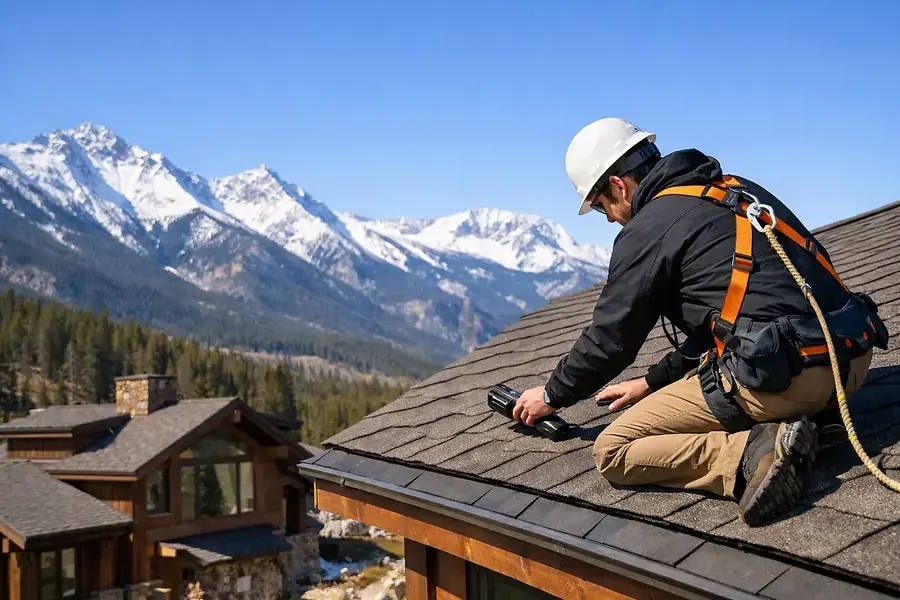
The roof is your home's primary defense against mountain weather. Inspectors evaluate:
- Roof age, material condition, and remaining lifespan
- Proper ventilation and insulation in attic spaces
- Flashing around chimneys, vents, and skylights
- Gutters, downspouts, and water drainage systems
- Exterior walls, siding, and weatherproofing
Mountain homes require special attention to roof pitch and snow load capacity. Heavy winter precipitation demands roofs designed to handle significant weight without structural compromise.
Heating and Cooling Systems
Climate control systems work harder in mountain environments. Inspectors check:
- Furnace or heating system age and efficiency
- Air conditioning unit functionality
- Ductwork condition and proper sealing
- Thermostat operation and programming
- Backup heating systems if present
Mountain homes often rely on multiple heating sources due to altitude and temperature extremes. Understanding your system's capacity is essential for comfort and cost management.
Plumbing and Water Systems
Water-related issues can be particularly problematic in mountain properties. Professional inspectors examine:
- Water supply lines and pressure
- Drain and sewer system functionality
- Septic systems (if applicable) and drain field conditions
- Water heater age and capacity
- Freeze protection measures for exposed pipes
- Well water quality testing (if applicable)
Freeze damage is a common concern in mountain homes. Inspectors verify that pipes are properly insulated and protected against freezing temperatures.
Electrical Systems
A safe electrical system is non-negotiable. Inspectors assess:
- Panel capacity and circuit breaker functionality
- Grounding and bonding systems
- Outlet and switch safety
- Proper installation of GFCI outlets in wet areas
- Adequate lighting and power distribution
Interior Conditions and Safety
Inspectors evaluate the overall interior condition, including:
- Walls, ceilings, and flooring for damage or settling
- Windows and doors for proper operation and sealing
- Insulation levels and energy efficiency
- Presence of asbestos, lead paint, or mold
- Stair safety and handrail compliance
Red Flags and How to Respond to Inspection Findings
Understanding Inspection Reports
Professional inspectors provide detailed reports categorizing findings by severity. Understanding these categories helps you prioritize concerns and budget appropriately:
Critical Issues: These require immediate attention and may affect your decision to purchase. Examples include structural damage, failing roof systems, or non-functional heating in a mountain climate.
Major Concerns: These should be addressed within the first year of ownership. Significant plumbing leaks, electrical hazards, or foundation cracks fall into this category.
Minor Issues: These are cosmetic or low-priority items that can be addressed over time, such as caulking gaps or painting touch-ups.
Common Red Flags in Mountain Properties
Watch for these specific warning signs:
- Water damage or moisture: Staining on ceilings, walls, or in basements indicates potential leaks or drainage problems
- Roof deterioration: Missing shingles, sagging areas, or visible wear suggest imminent replacement needs
- Inadequate insulation: Poor insulation is especially problematic in mountain climates with extreme temperature variations
- Outdated systems: Old furnaces, water heaters, or electrical panels may fail soon and require costly replacement
- Pest damage: Evidence of termites, rodents, or other pests can indicate structural compromise
Responding to Inspection Findings
Once you receive the inspection report, you have several options:
Request repairs: Ask the seller to fix critical issues before closing. This is most effective for major structural or system problems.
Negotiate a price reduction: If repairs are extensive, request a credit toward closing costs to address issues yourself after purchase.
Conduct specialized inspections: For significant concerns, hire specialists to provide detailed assessments. Roof, foundation, or septic inspections may be warranted.
Walk away: If findings reveal extensive problems that exceed your budget or comfort level, you have the right to terminate the purchase.
"A thorough home inspection is an investment in peace of mind. The cost of an inspection is minimal compared to the potential savings from identifying problems early."
Making Informed Decisions Through Professional Home Inspections
Home inspections are your opportunity to understand exactly what you're purchasing. In mountain communities where environmental factors create unique challenges, professional inspections become even more valuable. They provide objective, detailed information that empowers you to negotiate effectively and plan for future maintenance.
Don't skip the inspection to save money or expedite the closing process. The few hundred dollars spent on a comprehensive inspection can save you thousands in unexpected repairs and provide invaluable peace of mind. Work with a qualified inspector experienced in mountain properties, ask detailed questions about findings, and take time to understand the report before making your final decision.
By prioritizing professional home inspections and understanding what they reveal, you're taking control of your real estate investment and protecting your financial future in the mountain home market.


