Home Inspection Essentials: What Pittsburgh Buyers Must Know
Master the critical inspection process to protect your investment and avoid costly surprises in your Pittsburgh home purchase.

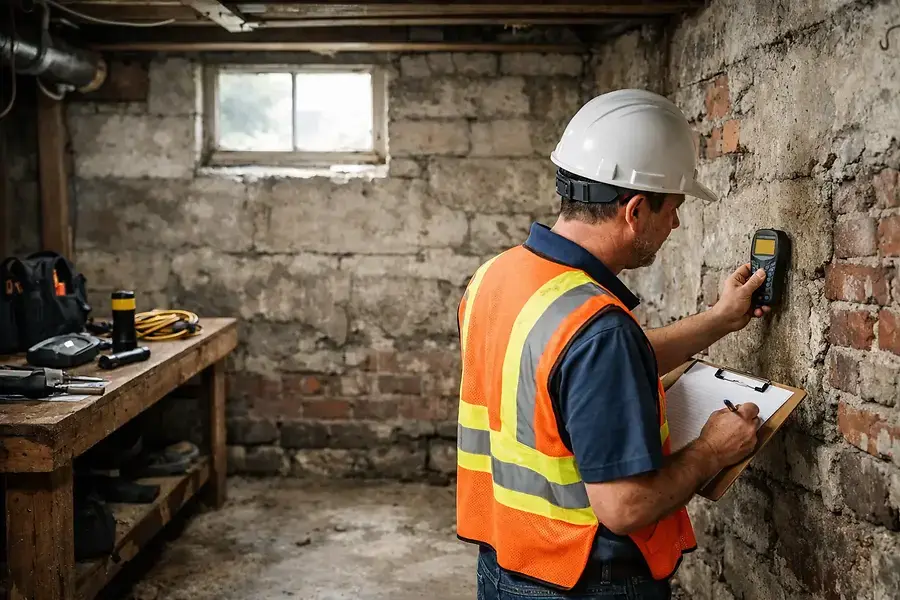
Why Home Inspections Matter in Pittsburgh's Real Estate Market
Purchasing a home is one of the most significant financial decisions you'll make, and in Pittsburgh's competitive real estate market, a thorough home inspection is your best defense against costly surprises. Many first-time buyers underestimate the importance of this critical step, viewing it as just another box to check. However, a comprehensive inspection can reveal hidden structural issues, outdated systems, and maintenance problems that could cost thousands of dollars to repair.
Pittsburgh's unique housing stock—ranging from historic Victorian homes to modern suburban properties—means that inspectors must be familiar with the specific challenges and characteristics of the region. Older homes may have outdated electrical systems, aging foundations, or roof issues, while newer constructions might have different concerns. Understanding what inspectors look for and what red flags to watch for will empower you to make informed decisions and protect your investment.
Key Areas Pittsburgh Inspectors Always Evaluate
Structural Integrity and Foundation
The foundation is the backbone of any home. Pittsburgh inspectors pay close attention to signs of settling, cracks, water damage, and moisture intrusion. Given the region's climate and soil composition, foundation issues are particularly common in older homes. Inspectors will look for:
- Visible cracks in the foundation or basement walls
- Water stains or evidence of past flooding
- Bowing or leaning walls
- Gaps between the foundation and the house structure
Roofing and Exterior Systems
Pittsburgh's weather patterns—including heavy snow, rain, and temperature fluctuations—put significant stress on roofs. Inspectors evaluate the roof's age, condition, and remaining lifespan. They also examine:
- Shingle condition and signs of wear or damage
- Flashing around chimneys and vents
- Gutters and downspout functionality
- Exterior siding, windows, and doors for water infiltration
Electrical and Plumbing Systems
These systems are critical to daily living and safety. Inspectors will assess the electrical panel's capacity and condition, check for outdated wiring, and test outlets for proper grounding. For plumbing, they evaluate water pressure, drainage, and the condition of pipes—particularly important in older Pittsburgh homes that may have galvanized or lead pipes.
HVAC and Heating Systems
Given Pittsburgh's cold winters, a functioning heating system is essential. Inspectors test furnaces, boilers, and air conditioning units to ensure they operate efficiently. They also check for proper ventilation and carbon monoxide safety.
Interior Condition and Appliances
A thorough inspection includes checking walls, ceilings, and floors for damage or signs of past water intrusion. Inspectors also evaluate the condition of built-in appliances and note which ones are included in the sale.
Red Flags and Deal-Breakers to Watch For During Inspections
Structural and Foundation Issues
Major foundation cracks or water damage can indicate serious structural problems that require expensive repairs. If an inspector notes significant settling, bowing walls, or evidence of major water intrusion, this is a major red flag that warrants further investigation by a structural engineer.
Roof Problems
A roof nearing the end of its lifespan or showing signs of significant damage can cost $10,000 or more to replace. If the inspection reveals a roof that needs replacement within the next few years, factor this into your offer negotiations.
Outdated or Hazardous Systems
Knob-and-tube wiring, lead paint (in homes built before 1978), and asbestos are serious concerns in older Pittsburgh homes. These require professional remediation and can significantly impact your purchase decision. Additionally, outdated electrical panels that cannot support modern electrical demands may need upgrading.
Plumbing Concerns
Galvanized or lead pipes, slow drainage, or signs of past water damage in the basement or crawl space should raise concerns. Replacing plumbing systems is expensive and disruptive.
HVAC System Failures
If the heating or cooling system is near the end of its lifespan or not functioning properly, budget for replacement costs. In Pittsburgh, a reliable heating system is non-negotiable.
Evidence of Pest Infestation or Mold
Signs of termites, rodents, or mold growth indicate underlying moisture or structural problems that need professional assessment and remediation.
Using Inspection Results to Negotiate and Secure Your Best Deal
Once you receive the inspection report, you have several options. Don't panic at the first sign of issues—many problems are manageable and can be negotiated. Here's how to move forward:
Request Repairs or Credits
If significant issues are discovered, you can ask the seller to make repairs before closing or provide a credit toward repairs you'll handle yourself. For major issues like roof replacement or foundation work, requesting a credit is often more practical.
Renegotiate the Price
Use the inspection report to justify a lower offer price. The cost of repairs should be reflected in the home's value. Get quotes from contractors to support your renegotiation.
Walk Away if Necessary
If the inspection reveals deal-breaker issues that would require extensive and expensive repairs, it's perfectly acceptable to walk away. Your inspection contingency protects you in these situations.
Get a Second Opinion
For major concerns, consider hiring a specialist inspector (structural engineer, electrician, or plumber) to provide a detailed assessment and repair estimates. This information strengthens your negotiating position.
Pro Tip: Attend the inspection if possible. Ask the inspector questions, take notes, and get a clear understanding of any issues. This firsthand knowledge will help you make confident decisions.
Conclusion
A home inspection is your opportunity to uncover potential problems before you commit to one of life's biggest purchases. By understanding what inspectors evaluate, recognizing red flags, and knowing how to use inspection results strategically, you can protect your investment and negotiate confidently in Pittsburgh's real estate market. Remember, a thorough inspection isn't an obstacle—it's your roadmap to a smart, informed home purchase decision.


