Home Inspection Essentials: What Residential Buyers Must Know
Discover the critical inspection points that protect your investment and prevent costly surprises after closing.

Why Home Inspections Matter for Residential Purchases
Purchasing a home is one of the most significant financial decisions most people make in their lifetime. While you may have fallen in love with a property's aesthetic appeal and location, what lies beneath the surface—literally and figuratively—can dramatically impact your long-term satisfaction and financial security. A professional home inspection serves as your objective third-party evaluation of the property's true condition.
A comprehensive home inspection typically costs between $300 and $500, yet it can save you thousands of dollars in unexpected repairs and renovations. More importantly, it provides peace of mind and empowers you to make informed decisions about one of your most valuable assets. Without a thorough inspection, you risk inheriting problems that could compromise your safety, comfort, and investment value.
Key Areas Inspectors Evaluate: Structural, Systems, and Safety Concerns
Structural Components
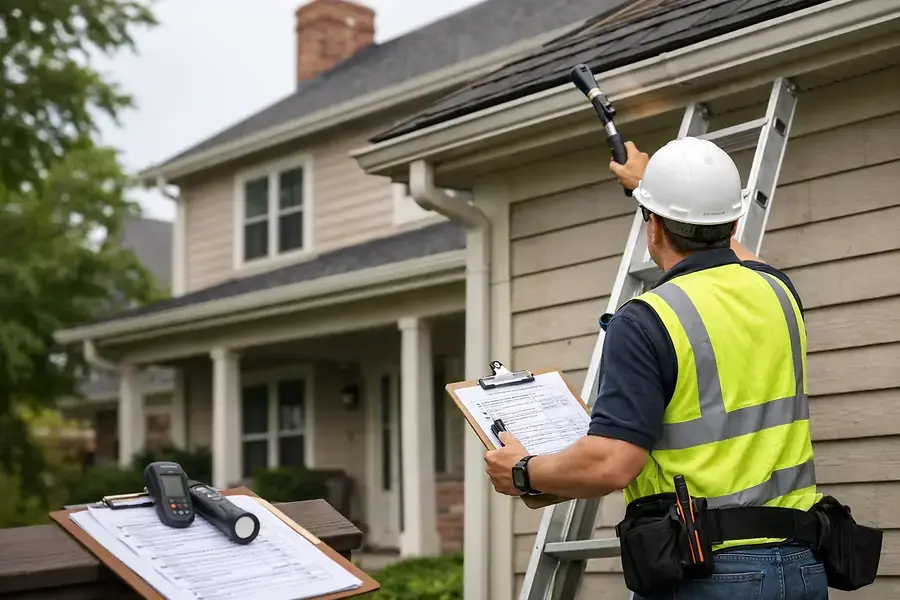
Professional inspectors begin by examining the home's foundational integrity. They assess the foundation for cracks, settling, or water damage that could indicate serious structural problems. The roof is another critical area—inspectors evaluate shingles, flashing, gutters, and overall condition to estimate remaining lifespan. Walls, floors, and ceilings are examined for signs of water damage, rot, or pest infestation that could compromise structural integrity.
Mechanical and Electrical Systems
The home's vital systems receive careful scrutiny during inspections. This includes:
- HVAC Systems: Heating, ventilation, and air conditioning units are tested for proper operation and efficiency
- Plumbing: Water pressure, drainage, and potential leaks are evaluated throughout the home
- Electrical Systems: Panel capacity, wiring safety, and outlet functionality are assessed for code compliance
- Water Heater: Age, condition, and proper operation are verified
Safety and Environmental Concerns
Modern inspections also address health and safety issues that weren't always standard concerns. Inspectors test for carbon monoxide presence, check for proper ventilation, and evaluate fire safety features. In older homes, they may identify potential asbestos, lead paint, or mold issues that require specialized testing or remediation.
Common Red Flags and How to Interpret Inspection Reports
Understanding the Report Structure
Home inspection reports typically categorize findings into three levels: major concerns, minor issues, and maintenance recommendations. Understanding this hierarchy helps you prioritize which issues demand immediate attention and which can be addressed over time.
Major Red Flags That Demand Attention
Certain findings should raise serious concerns and warrant further investigation:
- Foundation problems: Significant cracks, bowing walls, or evidence of settling indicate structural issues requiring expert evaluation
- Roof damage: Multiple missing shingles, extensive wear, or structural damage suggests imminent replacement needs
- Electrical hazards: Outdated wiring, improper grounding, or overloaded panels pose fire risks
- Plumbing failures: Burst pipes, severe corrosion, or inadequate water pressure indicate system replacement
- HVAC system failure: Non-functional heating or cooling systems require expensive replacement
- Water intrusion: Evidence of active leaks, mold, or water damage suggests ongoing moisture problems
Interpreting Minor Issues
Not every finding is catastrophic. Minor issues like worn caulking, loose handrails, or cosmetic damage are typically inexpensive to address. However, even minor issues can accumulate, so review the complete list to understand the overall maintenance picture of the property.
Asking the Right Questions
When you receive your inspection report, don't hesitate to contact the inspector for clarification. Ask about the severity of issues, estimated repair costs, and whether problems are likely to worsen. Understanding the why behind each finding helps you make better decisions.
Taking Action: Using Inspection Results to Negotiate and Make Informed Decisions
Negotiation Strategies
Armed with your inspection report, you have several options. You can request that the seller make repairs before closing, ask for a price reduction to cover repair costs, or request a credit at closing. The key is approaching negotiations professionally and reasonably. Sellers are more likely to respond positively to requests addressing major safety or structural concerns than cosmetic issues.
Obtain repair estimates from licensed contractors for significant findings. These concrete numbers strengthen your negotiating position and demonstrate that your requests are reasonable and based on professional assessment.
Making Your Final Decision
The inspection report is ultimately a tool to inform your decision-making. Some buyers walk away from properties with significant issues, while others negotiate repairs or price adjustments. Your decision should reflect your risk tolerance, financial capacity for repairs, and long-term plans for the property.
Consider the home's age and condition holistically. An older home may have more issues but could still be a solid investment if major systems are functional and the structure is sound. Conversely, a newer home with significant problems may indicate poor construction or maintenance.
Post-Inspection Next Steps
After addressing inspection concerns through negotiation or your own due diligence, maintain detailed records of all repairs and maintenance. This documentation protects your investment and proves valuable when you eventually sell the property. Additionally, establish a maintenance schedule based on inspector recommendations to prevent small issues from becoming major problems.
A home inspection is not just about identifying problems—it's about gaining confidence in your purchase decision and protecting your financial future.
Final Thoughts
Home inspections are an essential component of the residential buying process. By understanding what inspectors evaluate, recognizing red flags, and using inspection results strategically, you transform a routine step into a powerful tool for protecting your investment. Don't skip this critical step or rush through the inspection process. Your future self will thank you for the diligence you exercise today.


