Home Inspection Essentials: What Residential Buyers Should Know
Discover the critical inspection points that protect your residential investment and reveal hidden property issues before closing.

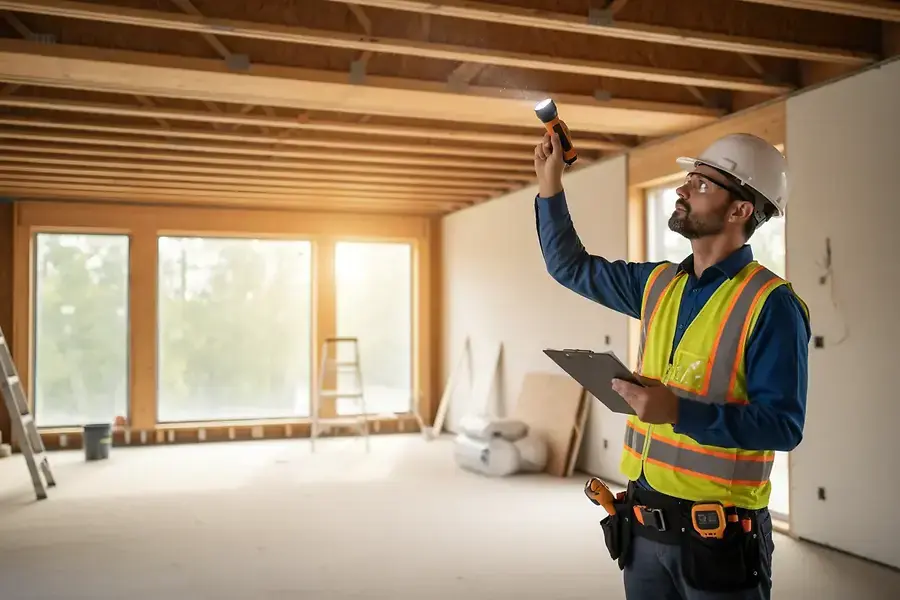
Understanding the Importance of Professional Home Inspections
A professional home inspection is one of the most critical steps in the residential buying process. This comprehensive evaluation of a property's condition can reveal hidden issues that might not be visible during a casual walkthrough. Whether you're a first-time homebuyer or an experienced investor, understanding the value of a thorough inspection can save you thousands of dollars in unexpected repairs and provide peace of mind about your investment.
Home inspections serve as a protective measure between you and potential financial disaster. Many buyers discover significant structural problems, electrical hazards, or plumbing issues only after closing—when they become their responsibility. A professional inspector acts as your advocate, documenting the property's true condition and identifying problems that require immediate attention or future planning.
Why Professional Inspectors Matter
Licensed home inspectors bring specialized training and experience that untrained eyes cannot provide. They understand building codes, common defects, and safety hazards specific to residential properties. Their detailed reports become valuable negotiating tools and help you make informed decisions about whether to proceed with the purchase, request repairs, or renegotiate the price.
Key Areas Inspectors Examine in Residential Properties
Professional home inspectors evaluate numerous systems and components throughout a property. Understanding what they examine helps you ask informed questions and better interpret their findings.
Structural Components and Foundation
Inspectors carefully examine the foundation, walls, and overall structural integrity of the home. They look for:
- Cracks in the foundation or basement walls
- Signs of settling or shifting
- Water damage or moisture intrusion
- Proper grading around the foundation
- Condition of basement or crawl space
Foundation issues are among the most expensive to repair, making this inspection area particularly important for your investment protection.
Roofing and Exterior
The roof protects everything beneath it, so inspectors pay close attention to its condition. They examine:
- Roof age and remaining lifespan
- Missing, damaged, or curling shingles
- Flashing and seal integrity
- Gutters and downspouts
- Siding condition and water penetration
- Windows and doors for proper sealing
A failing roof can lead to interior water damage affecting multiple systems, making early detection essential.
Electrical Systems
Electrical safety is paramount in residential properties. Inspectors evaluate:
- Panel condition and capacity
- Proper grounding and bonding
- Outlet and switch functionality
- Presence of outdated wiring (such as aluminum)
- GFCI protection in wet areas
- Overall code compliance
Electrical issues pose serious safety risks, including fire hazards, making this inspection critical for your family's protection.
Plumbing Systems
Water systems are essential to daily living. Inspectors check:
- Water pressure and flow rates
- Pipe material and condition
- Signs of leaks or water damage
- Drain functionality
- Water heater age and condition
- Septic or sewer system status
Plumbing repairs can be expensive, and hidden leaks can cause significant structural damage over time.
HVAC Systems
Heating, ventilation, and air conditioning systems require regular maintenance and eventual replacement. Inspectors assess:
- Furnace or heat pump condition and age
- Air conditioning unit functionality
- Ductwork integrity
- Thermostat operation
- Ventilation adequacy
Interior Components
Inspectors also evaluate interior elements including insulation, drywall condition, flooring, and the overall state of living spaces. They look for signs of pest damage, mold, or water intrusion that might indicate larger problems.
How to Review and Interpret Your Inspection Report
A comprehensive inspection report can be lengthy and detailed. Understanding how to read and interpret it is crucial for making informed decisions.
Report Organization and Sections
Most inspection reports are organized by system or area of the home. Each section typically includes:
- Observations: What the inspector found
- Condition ratings: Acceptable, fair, poor, or needs repair
- Recommendations: Suggested actions or further evaluation
- Photos: Visual documentation of issues
Identifying Major vs. Minor Issues
Not all inspection findings require immediate action. Major issues typically involve safety hazards or expensive repairs, such as foundation problems, roof failure, or electrical hazards. Minor issues might include cosmetic damage, worn caulking, or routine maintenance needs.
Focus your attention on major issues that affect safety, functionality, or structural integrity. Minor issues can often be addressed gradually after purchase.
Asking Questions and Seeking Clarification
Don't hesitate to contact your inspector for clarification on any findings. Ask about:
- The severity and urgency of issues
- Estimated repair costs (if available)
- Whether issues require specialist evaluation
- Maintenance recommendations to prevent future problems
Taking Action: Negotiating Repairs and Next Steps
Your inspection report is a powerful negotiating tool. Understanding how to use it effectively can significantly impact your final purchase price and the property's condition at closing.
Requesting Repairs or Credits
After reviewing the inspection report, you have several options:
- Request repairs: Ask the seller to fix identified issues before closing
- Request credits: Negotiate a price reduction to cover repair costs yourself
- Request inspections: Ask for specialist evaluations of major issues
- Renegotiate: Adjust the purchase price based on overall condition
Be strategic in your requests, focusing on significant issues that affect safety, functionality, or long-term value.
Getting Specialist Evaluations
For major issues identified in the general inspection, consider hiring specialists such as structural engineers, electricians, or plumbers. Their detailed assessments provide accurate repair estimates and help you make informed negotiating decisions.
Final Walk-Through
Before closing, conduct a final walk-through to verify that requested repairs were completed satisfactorily. This ensures the property meets agreed-upon conditions and protects your investment.
Planning for Future Maintenance
Use your inspection report as a maintenance guide for your new home. Address recommended maintenance items promptly to prevent small issues from becoming expensive problems. Regular maintenance extends the life of major systems and protects your investment for years to come.
A professional home inspection is an investment in your peace of mind and financial security. By understanding what inspectors examine, how to interpret their findings, and how to use the report effectively, you empower yourself to make informed decisions about one of life's most significant purchases.