Home Inspection Essentials: What Saint Louis Buyers Must Know
Discover the critical inspection checklist that protects your investment and prevents costly surprises in the Saint Louis real estate market.

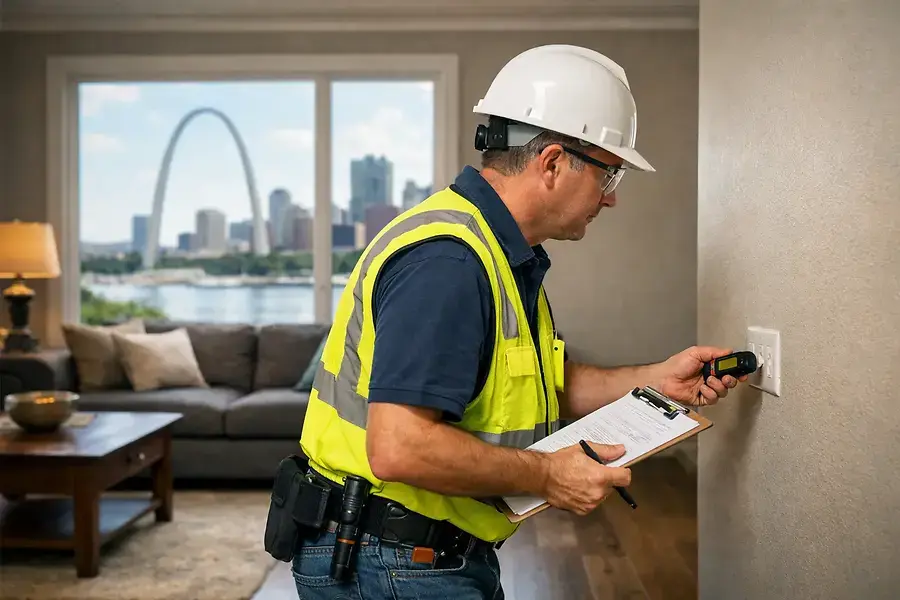
Understanding the Home Inspection Process in Saint Louis
Purchasing a home is one of the most significant financial decisions you'll make, and in the Saint Louis real estate market, a professional home inspection is your first line of defense against hidden problems. A home inspection is a thorough examination of a property's physical structure and systems, typically lasting two to four hours, conducted by a licensed inspector who provides an objective assessment of the home's condition.
In Saint Louis, home inspections are not legally required, but they are highly recommended for all buyers. The inspection process typically occurs after you've made an offer but before you're obligated to close on the property. This timing allows you to make an informed decision and negotiate repairs or credits before finalizing your purchase.
During the inspection, the professional will examine both the interior and exterior of the home, checking everything from the foundation to the roof. They'll test systems, look for signs of damage, and document their findings in a detailed report. Understanding what happens during this process helps you prepare questions and know what to expect.
Key Areas Inspectors Examine and Red Flags to Watch For
Structural Components
Inspectors carefully evaluate the foundation, walls, and overall structural integrity of the home. In Saint Louis, where older homes are common, foundation issues are particularly important to monitor. Look for cracks in the foundation, water damage, or signs of settling. These issues can be expensive to repair and should be thoroughly investigated.
Roofing and Exterior
The roof is one of your home's most critical protective barriers. Inspectors will assess the roof's age, condition, and remaining lifespan. They'll also examine:
- Gutters and downspouts for proper drainage
- Siding and exterior walls for damage or deterioration
- Windows and doors for proper sealing and operation
- Chimneys and flashing for leaks or damage
Red flag: If the roof is nearing the end of its lifespan, budget for replacement within the next few years.
Plumbing Systems
Water damage is a common and costly issue in Saint Louis homes. Inspectors will check for:
- Water pressure and flow throughout the home
- Signs of leaks under sinks and around fixtures
- Water heater condition and age
- Sump pump functionality in basements
- Proper grading to prevent water pooling near the foundation
Water intrusion issues should never be ignored, as they can lead to mold, structural damage, and health concerns.
Electrical Systems
A safe electrical system is essential for your family's protection. Inspectors will verify that the electrical panel is properly grounded, check for outdated wiring, and ensure outlets are properly installed. Older homes in Saint Louis may have knob-and-tube wiring or aluminum wiring, both of which pose fire hazards and should be replaced.
HVAC and Climate Control
Your heating and cooling systems are vital for comfort and safety. Inspectors will assess the age and condition of your furnace, air conditioning unit, and thermostat. They'll also check ductwork for leaks and proper insulation.
How to Interpret Your Inspection Report and Negotiate Repairs
Understanding the Report
Your inspection report will categorize findings by severity. Most reports use classifications such as:
- Critical: Issues that pose safety risks or require immediate attention
- Major: Significant problems that will likely need repair soon
- Minor: Small issues that don't require urgent attention
- Informational: Observations about the home's condition and maintenance
Take time to review the report carefully and ask your inspector to explain any findings you don't understand. Don't skip this step—understanding the issues will help you make informed decisions.
Negotiation Strategies
Once you have the inspection report, you have several options:
- Request repairs: Ask the seller to fix critical and major issues before closing
- Request credits: Negotiate a credit toward closing costs to handle repairs yourself
- Request price reduction: Ask for a lower purchase price to account for needed repairs
- Walk away: If issues are too extensive, you may choose to terminate the purchase
Focus your negotiations on critical and major issues rather than minor cosmetic problems. Be reasonable in your requests—sellers are more likely to negotiate if your demands are fair and well-documented.
Protecting Your Investment: Next Steps After the Inspection
Create a Maintenance Plan
Even if the inspection reveals no major issues, create a maintenance schedule for your new home. Regular maintenance prevents small problems from becoming expensive repairs. Keep records of all maintenance and repairs for future reference.
Budget for Future Repairs
Use your inspection report to anticipate future expenses. If the roof has 5-7 years of life remaining, start saving for replacement. If the water heater is aging, budget for replacement within the next few years. This proactive approach prevents financial surprises.
Get Additional Inspections if Needed
For specific concerns identified in the general inspection, consider hiring specialists:
- Pest inspectors for termite and other pest concerns
- Mold inspectors if water damage or moisture issues are present
- Radon testers to check for this dangerous gas
- Septic system inspectors if the home uses a septic system
Maintain Your Home Records
Keep all inspection reports, repair receipts, and maintenance records in a safe place. These documents are valuable for future sales, warranty claims, and insurance purposes. They also help you track the home's condition over time.
A thorough home inspection is an investment in peace of mind. By understanding what inspectors look for and how to interpret their findings, Saint Louis buyers can make confident decisions and protect their most valuable asset.
Taking the time to understand the home inspection process, carefully reviewing the inspection report, and negotiating repairs appropriately will help ensure you're making a sound investment in the Saint Louis real estate market. Don't rush this critical step—your future self will thank you for the diligence.


