Home Inspection Essentials: What Saint Louis Buyers Must Know
Discover the critical inspection points that protect your investment and reveal hidden issues before you commit to a Saint Louis property purchase.

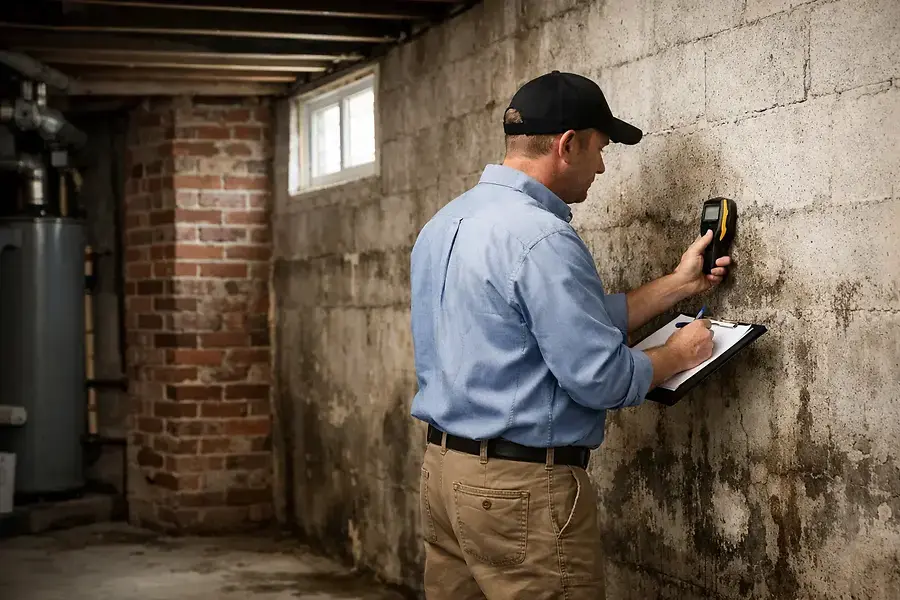
Understanding the Home Inspection Process and Why It Matters
Purchasing a home is one of the most significant financial decisions you'll make, and a professional home inspection is your best defense against costly surprises. In Saint Louis, where homes range from historic Victorian properties to modern suburban residences, a thorough inspection is essential to understanding what you're truly buying.
A home inspection is a comprehensive evaluation of a property's physical structure and systems, typically lasting 2-4 hours. A licensed inspector will examine everything from the foundation to the roof, identifying existing conditions and potential issues. This process protects your investment by revealing problems that aren't visible during a casual walkthrough.
In Saint Louis's diverse real estate market, inspections are particularly valuable. Older homes may have outdated electrical systems or plumbing, while newer constructions might have builder defects. An inspection gives you the knowledge to make informed decisions and negotiate from a position of strength.
Key Areas Inspectors Evaluate in Saint Louis Homes
Structural Components
Inspectors begin by examining the foundation, walls, and overall structural integrity. Saint Louis homes, particularly those built decades ago, may show signs of settling or water damage. Foundation cracks, bowing walls, or moisture intrusion are critical issues that require immediate attention.
Roofing and Exterior
The roof protects everything beneath it, making its condition paramount. Inspectors assess shingle condition, flashing, gutters, and drainage systems. They'll also evaluate siding, windows, doors, and exterior caulking. In Saint Louis's climate, proper drainage is essential to prevent water damage and basement issues.
Plumbing Systems
Inspectors test water pressure, check for leaks, and evaluate pipe materials. Older Saint Louis homes may have galvanized pipes that are prone to corrosion or outdated fixtures. Water quality, hot water heater condition, and septic systems (if applicable) are all examined.
Electrical Systems
A safe electrical system is non-negotiable. Inspectors verify proper grounding, adequate outlets, circuit breaker function, and overall safety. Many older Saint Louis properties may have outdated wiring that doesn't meet current safety standards, which could require upgrades.
HVAC and Ventilation
Heating, cooling, and ventilation systems are tested for proper operation. Inspectors check furnace age, air conditioning efficiency, and ductwork condition. Proper ventilation prevents moisture buildup and mold growth, particularly important in humid Saint Louis summers.
Interior Conditions
Inspectors examine walls, ceilings, floors, and built-in appliances. They look for signs of water damage, mold, pest infestation, and structural issues. Basement conditions receive special attention, as water intrusion is common in the Saint Louis area.
Red Flags and How to Interpret Your Inspection Report
Understanding the Report Format
Inspection reports typically categorize findings into three levels: safety issues (immediate concerns), major repairs (significant problems), and minor repairs (cosmetic or maintenance items). Understanding this hierarchy helps you prioritize concerns and budget accordingly.
Common Red Flags in Saint Louis Properties
- Water Damage and Mold: Basement moisture, staining, or mold growth indicates potential structural or health hazards
- Foundation Issues: Cracks wider than 1/4 inch, bowing, or settling require professional evaluation
- Outdated Electrical: Knob-and-tube wiring or insufficient grounding pose fire risks
- Roof Age: Roofs over 20 years old typically need replacement soon
- Plumbing Problems: Galvanized pipes, low water pressure, or sewage odors indicate needed repairs
- HVAC Concerns: Systems over 15 years old may fail soon, requiring expensive replacement
- Pest Infestation: Evidence of termites, rodents, or other pests requires immediate treatment
Distinguishing Between Deal-Breakers and Negotiable Items
Not every finding is catastrophic. Safety issues and structural problems are typically deal-breakers or require significant negotiation. However, cosmetic issues, routine maintenance, and age-related wear are often negotiable or acceptable depending on the purchase price.
Ask your inspector to clarify which items are urgent, which can wait, and which are simply normal wear and tear. This context helps you respond appropriately to inspection findings.
Next Steps: Using Inspection Findings to Negotiate and Close
Requesting Repairs or Credits
After receiving your inspection report, you have several options. You can request that the seller repair identified issues, provide a credit toward repairs, or renegotiate the purchase price. In Saint Louis's competitive market, your approach depends on the property's desirability and the severity of issues found.
Focus negotiations on significant, documented problems rather than minor cosmetic issues. Sellers are more likely to respond to requests backed by professional inspection findings.
Getting Second Opinions
For major issues like foundation problems, roof damage, or electrical concerns, consider hiring a specialist for a detailed evaluation. A structural engineer, roofer, or electrician can provide cost estimates and repair timelines that strengthen your negotiating position.
Planning Your Budget
Use inspection findings to create a realistic post-purchase budget. Prioritize safety issues and major systems, then plan for cosmetic improvements over time. Understanding what needs immediate attention versus what can wait helps you avoid financial surprises after closing.
Final Walkthrough
Before closing, conduct a final walkthrough to verify that agreed-upon repairs were completed satisfactorily. Confirm that the property matches the condition documented in your inspection report. This final check protects you and ensures a smooth closing process.
A home inspection is an investment in peace of mind and financial protection. By understanding the inspection process, knowing what inspectors evaluate, and using findings strategically, Saint Louis homebuyers can make confident decisions and secure their dream homes with full knowledge of what they're purchasing.


