Home Inspection Guide for Boise Buyers: Protect Your Investment
Master the critical inspection checklist that protects your investment and reveals hidden issues before closing.

Understanding the Home Inspection Process and Why It Matters
Buying a home is one of the largest financial decisions you'll make in your lifetime. A professional home inspection is your safeguard against costly surprises after closing. In Boise's competitive real estate market, understanding what happens during an inspection can mean the difference between a sound investment and a money pit.
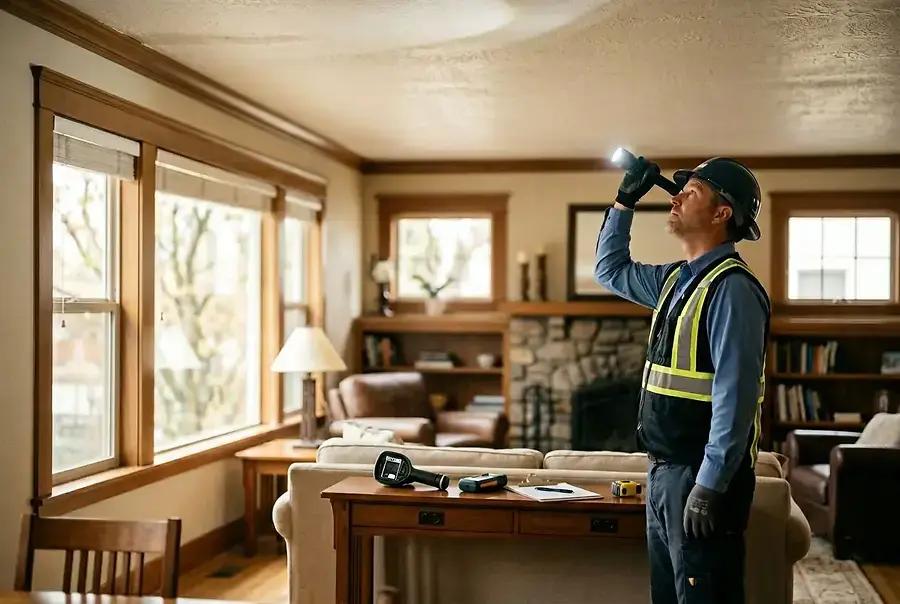
A home inspection typically takes 2-4 hours and involves a licensed inspector examining the property from top to bottom. The inspector creates a detailed report documenting the condition of major systems, structural elements, and safety concerns. This report becomes your negotiating tool and your roadmap for future maintenance.
Why should you invest in an inspection? Hidden defects like faulty wiring, plumbing issues, or roof damage can cost thousands to repair. An inspection gives you the knowledge to make informed decisions and protects you from inheriting someone else's problems.
Key Areas Inspectors Examine: Structural, Systems, and Safety Concerns
Foundation and Structural Integrity
The foundation is the backbone of any home. Inspectors look for cracks, settling, water damage, and signs of structural movement. In Boise, where soil conditions vary, foundation issues can develop over time. Watch for:
- Horizontal or diagonal cracks in the foundation
- Bowing or leaning walls
- Water stains or moisture in the basement
- Uneven floors or doors that don't close properly
Roofing and Exterior
Your roof protects everything beneath it. Inspectors examine shingles, flashing, gutters, and the overall condition. Boise's weather patterns mean roofs take a beating. Key concerns include:
- Missing, curled, or damaged shingles
- Roof age and remaining lifespan
- Improper drainage and gutter condition
- Exterior siding damage or rot
Electrical Systems
Faulty electrical systems pose serious safety risks. Inspectors check the main panel, wiring, outlets, and grounding. Older Boise homes may have outdated systems that need upgrading. Look for:
- Outdated or insufficient electrical panels
- Ungrounded outlets or missing GFCI protection
- Aluminum wiring (a fire hazard)
- Improper wire gauges or connections
Plumbing and Water Systems
Water damage is one of the most expensive problems to fix. Inspectors test water pressure, check for leaks, and examine pipes for corrosion. Boise's water quality and mineral content can affect plumbing longevity. Critical items include:
- Corroded or leaking pipes
- Water heater age and condition
- Slow drains or sewage issues
- Water pressure problems
HVAC and Heating Systems
Heating is essential in Boise winters. Inspectors evaluate furnaces, air conditioning units, and ventilation systems. A failing HVAC system can cost $5,000-$10,000 to replace. Check for:
- System age and maintenance history
- Proper ventilation and ductwork
- Carbon monoxide safety concerns
- Thermostat functionality
Insulation and Ventilation
Proper insulation keeps energy bills manageable. Inspectors check attic insulation, ventilation, and moisture control. Inadequate insulation is common in older Boise homes and can lead to higher utility costs and ice dams.
Red Flags to Watch For and When to Negotiate Repairs
Major Red Flags That Demand Attention
Foundation problems are deal-breakers. Significant cracks, water intrusion, or structural movement require professional assessment and can be extremely expensive to repair.
Roof issues matter because replacement costs $8,000-$15,000 or more. If the roof is near the end of its lifespan, negotiate a credit or replacement.
Electrical hazards like aluminum wiring, outdated panels, or improper grounding pose fire and safety risks. These must be addressed before closing.
Plumbing failures including sewage backups, corroded pipes, or water heater failure require immediate attention and significant investment.
When to Negotiate and When to Walk Away
Not every issue requires renegotiation. Minor cosmetic problems like paint or landscaping are typically the buyer's responsibility. However, major systems failures demand action.
Use the inspection report as your negotiating leverage. Request the seller make repairs, provide a credit toward repairs, or reduce the purchase price.
Consider walking away if:
- Multiple major systems are failing
- Foundation damage is extensive
- Repair costs exceed 10-15% of the purchase price
- The seller refuses to address serious safety concerns
Getting a Second Opinion
For significant issues, hire a specialist. A structural engineer, electrician, or plumber can provide detailed assessments and repair estimates. This investment protects you from making decisions based on incomplete information.
Conclusion: Making Informed Decisions with Inspection Results
A home inspection is your opportunity to make an informed decision about one of life's biggest purchases. The inspection report isn't meant to scare you—it's meant to empower you with knowledge.
Use the inspection to understand the true condition of the property, negotiate repairs or credits, and plan for future maintenance. In Boise's real estate market, informed buyers make better decisions and protect their investments for years to come.
Remember: A thorough inspection today saves you thousands in unexpected repairs tomorrow. Don't skip this critical step in your home-buying journey.


