Home Inspection Guide for Farmington, CT Buyers: What to Expect
Learn what professional inspectors look for and how to use inspection results to make confident purchasing decisions.

Understanding the Home Inspection Process in Farmington
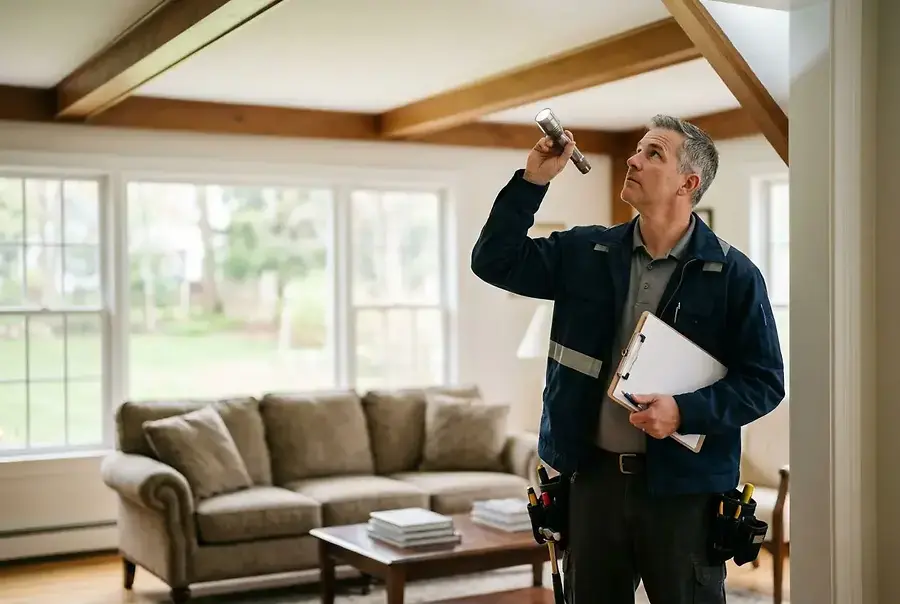
Purchasing a home is one of the most significant investments you'll make in your lifetime. In Farmington, Connecticut, a professional home inspection is a critical step in the buying process that protects your interests and provides valuable insight into the property's condition. A typical home inspection takes between two to four hours, depending on the size and age of the property.
During this time, a certified home inspector will conduct a thorough examination of the property's major systems and components. It's important to understand that a home inspection is not an appraisal—it doesn't determine the home's market value. Instead, it identifies the current condition of the property and any potential issues that may require attention or repair.
As a buyer, you have the right to be present during the inspection. Many real estate professionals recommend attending to ask questions and gain firsthand knowledge about the home you're considering. This is your opportunity to learn about the property's maintenance history and any concerns the inspector identifies.
Key Areas Inspectors Examine and Red Flags to Watch For
Structural Components and Foundation
Inspectors begin by evaluating the home's foundation and structural integrity. They look for cracks, settling, water damage, and signs of pest infestation. In Farmington's climate, foundation issues can develop over time due to freeze-thaw cycles, making this inspection particularly important.
Red flags to watch for:
- Large or widening cracks in the foundation
- Water stains or moisture in the basement
- Uneven floors or doors that don't close properly
- Evidence of previous repairs or patching
Roofing and Exterior
The roof is one of the most expensive components to replace, so inspectors pay close attention to its condition. They examine shingles, flashing, gutters, and downspouts. They also assess the exterior walls, windows, doors, and any visible siding damage.
Red flags to watch for:
- Missing or damaged shingles
- Sagging roof lines
- Rust or deterioration in gutters
- Cracks or gaps in exterior caulking
- Rotting wood on trim or fascia
Plumbing Systems
Inspectors test water pressure, check for leaks, and examine the condition of pipes throughout the home. They also evaluate the water heater, septic system (if applicable), and drainage systems. Older homes in Farmington may have outdated plumbing that requires updating.
Red flags to watch for:
- Low water pressure or slow drains
- Visible corrosion on pipes
- Water stains under sinks or around fixtures
- Outdated galvanized pipes
- Evidence of previous water damage
Electrical Systems
A thorough electrical inspection includes checking the main panel, outlets, switches, and wiring. Inspectors verify that the system is properly grounded and that there are no safety hazards. Homes with outdated electrical systems may need upgrades to meet current safety standards.
Red flags to watch for:
- Outdated fuse boxes instead of circuit breakers
- Insufficient outlets or extension cord usage
- Aluminum wiring (a fire hazard)
- Improper grounding or missing ground pins
- Signs of electrical damage or scorching
Heating and Cooling Systems
Inspectors evaluate furnaces, air conditioning units, and heat pumps. They check for proper operation, age, and maintenance history. Given Farmington's cold winters, a reliable heating system is essential.
Red flags to watch for:
- Age of the system (typically 15-20 years is the lifespan)
- Lack of regular maintenance records
- Unusual noises or odors
- Inadequate heating or cooling performance
Using Inspection Results to Negotiate Better Terms
Once you receive the inspection report, you have several options. If significant issues are discovered, you can use this information to negotiate with the seller. Here are some strategies to consider:
Request Repairs
You can ask the seller to repair identified issues before closing. This is particularly effective for major problems like roof damage or structural concerns. Get quotes from contractors to support your requests with concrete numbers.
Request a Price Reduction
If repairs are extensive or the seller is unwilling to make them, you can negotiate a lower purchase price to account for the cost of repairs. This gives you the flexibility to choose your own contractors and manage the work on your timeline.
Request Credits at Closing
Some sellers prefer to provide a credit at closing rather than making repairs themselves. This allows you to handle repairs after you own the property and can be a practical solution for both parties.
Walk Away if Necessary
If the inspection reveals major issues that would be costly to repair, you may decide the property isn't right for you. This is why the inspection contingency in your purchase agreement is so important—it protects your investment.
Pro Tip: Always have a real estate attorney review your inspection contingency clause to ensure you have adequate time to conduct inspections and make informed decisions.
Next Steps After Your Inspection Report
After receiving your inspection report, take time to review it carefully. Don't hesitate to ask your inspector questions about any findings you don't understand. Consider hiring specialists for specific concerns—for example, a structural engineer for foundation issues or a pest control expert for termite damage.
Work closely with your real estate agent to develop a negotiation strategy based on the inspection findings. Be realistic about which issues are deal-breakers and which are manageable. Remember that no home is perfect, and minor issues are normal in older properties.
Finally, keep your inspection report for future reference. It provides valuable documentation of the home's condition at the time of purchase and can be helpful for insurance claims or future sales.
By understanding the home inspection process and using the results strategically, you can make a confident purchasing decision and protect your investment in your new Farmington home.