Home Inspection Guide for Northern Colorado Buyers and Sellers
Understand what inspectors look for and how to protect your investment in Fort Collins, Greeley, Windsor, and surrounding communities.

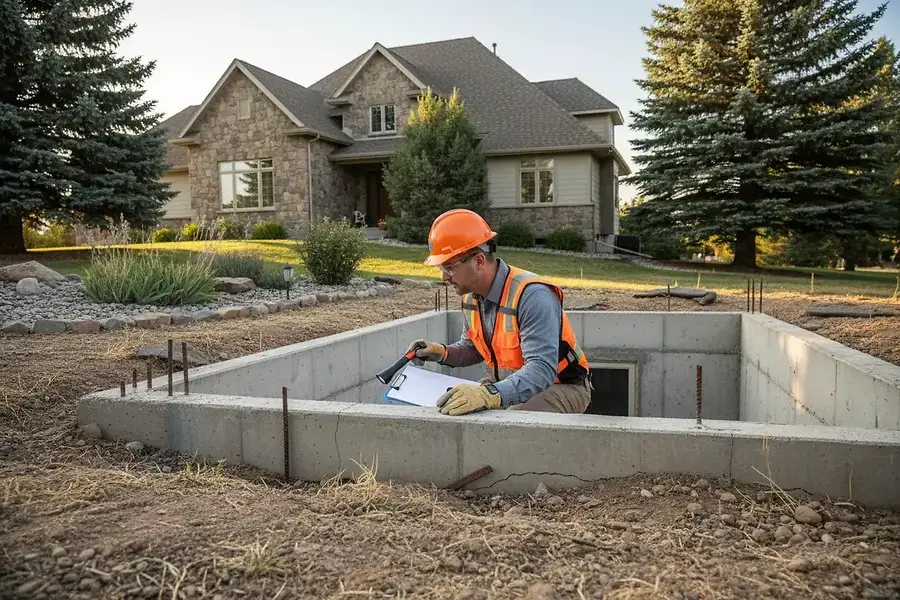
Why Home Inspections Matter in Northern Colorado's Competitive Market
In Northern Colorado's fast-paced real estate market, a professional home inspection is one of the most critical steps in any property transaction. Whether you're buying or selling in Fort Collins, Greeley, Windsor, or surrounding communities, understanding the inspection process can save you thousands of dollars and prevent costly surprises down the road.
Home inspections provide an objective, third-party assessment of a property's condition. For buyers, this inspection acts as a safeguard—revealing hidden problems before you commit to a purchase. For sellers, a pre-listing inspection can identify issues early, allowing you to address them proactively and strengthen your position in negotiations.
The Northern Colorado region experiences unique environmental and structural challenges due to its climate, soil composition, and construction practices. A qualified inspector familiar with local conditions will know exactly what to look for and what issues are common in this area.
Common Issues Found in Northern Colorado Homes: What to Expect
Foundation and Structural Concerns
Northern Colorado's expansive clay soils are notorious for causing foundation problems. As soil expands and contracts with moisture changes, it can lead to:
- Cracks in foundations and basement walls
- Uneven settling and sloping floors
- Bowing basement walls
- Gaps between walls and trim
Inspectors will carefully examine foundation integrity, as these issues can be expensive to repair and may affect the property's value and insurability.
Roof and Weather Damage
Northern Colorado's intense sun, hail storms, and temperature fluctuations take a toll on roofing materials. Inspectors look for:
- Hail damage and missing shingles
- Premature aging and deterioration
- Improper ventilation leading to ice dams
- Flashing issues around chimneys and vents
A compromised roof can lead to water intrusion and interior damage, making this a critical inspection area.
HVAC and Heating Systems
With cold winters and the need for reliable heating, HVAC systems are essential in Northern Colorado homes. Inspectors evaluate:
- System age and efficiency
- Proper ventilation and ductwork
- Carbon monoxide safety
- Maintenance history and condition
Water Damage and Moisture Issues
Despite the region's dry climate, water intrusion remains a common problem. Inspectors check for:
- Basement moisture and seepage
- Improper grading and drainage around the foundation
- Gutter and downspout functionality
- Signs of past or present water damage
Electrical and Plumbing Systems
Older homes in Northern Colorado may have outdated electrical systems or aging plumbing. Inspectors verify that systems are safe, up to code, and functioning properly. This includes checking for:
- Adequate electrical capacity and grounding
- Outdated wiring or panels
- Pipe material and corrosion issues
- Water pressure and drainage problems
Inspection Timeline and Next Steps for Buyers and Sellers
For Buyers: The Inspection Process
Once you've made an offer on a property, you'll typically have a 7-10 day inspection period to hire a professional inspector. Here's what to expect:
Step 1: Schedule the Inspection
Contact a licensed home inspector in your area. The inspection usually takes 2-4 hours, depending on the home's size and age.
Step 2: Attend the Inspection
It's highly recommended that you attend the inspection in person. This allows you to ask questions and understand issues firsthand.
Step 3: Review the Report
The inspector will provide a detailed written report within 24-48 hours. Take time to review it carefully and consult with your real estate agent about findings.
Step 4: Decide on Next Steps
You can request repairs, ask for credits, renegotiate the price, or proceed without changes based on the inspection results.
For Sellers: Getting Ahead of Issues
Savvy sellers in Northern Colorado often conduct a pre-listing inspection before putting their home on the market. This proactive approach:
- Identifies problems before buyers discover them
- Allows time to make repairs or price accordingly
- Builds buyer confidence and reduces negotiation friction
- Speeds up the closing process
Protecting Your Investment: Using Inspection Results to Negotiate
For Buyers: Negotiation Strategies
When inspection issues arise, you have several options:
Request Repairs: Ask the seller to fix significant issues before closing. This works best for major problems like roof repairs or foundation work.
Ask for Credits: Request a credit toward closing costs to handle repairs yourself. This gives you control over the work quality.
Renegotiate Price: Use inspection findings to justify a lower offer price that accounts for repair costs.
Walk Away: If major issues are discovered, you may have grounds to terminate the contract, depending on your inspection contingency.
Pro Tip: Always prioritize major structural, safety, and system issues over cosmetic concerns. A new paint job is less important than a functioning roof or stable foundation.
For Sellers: Minimizing Surprises
If you're selling in Northern Colorado, consider these protective measures:
- Disclose Known Issues: Be transparent about any problems you're aware of. Non-disclosure can lead to legal liability.
- Make Strategic Repairs: Fix critical issues before listing to avoid buyer concerns and negotiation complications.
- Provide Documentation: Keep records of maintenance, repairs, and improvements to demonstrate proper home care.
- Price Realistically: Account for the home's condition in your asking price to attract serious buyers.
Working with Professionals
Whether buying or selling, working with experienced professionals is essential. Your real estate agent, home inspector, and potentially a contractor can help you understand inspection results and make informed decisions that protect your investment.
In Northern Colorado's competitive market, a thorough home inspection isn't just a formality—it's a crucial tool for making confident, informed decisions about one of the largest investments you'll ever make. By understanding what inspectors look for and how to use their findings, both buyers and sellers can navigate transactions with greater confidence and peace of mind.


