Home Inspection Guide: Protect Your Colorado Springs Investment
Discover what professional inspectors look for and how to use inspection findings to negotiate better terms on your purchase.

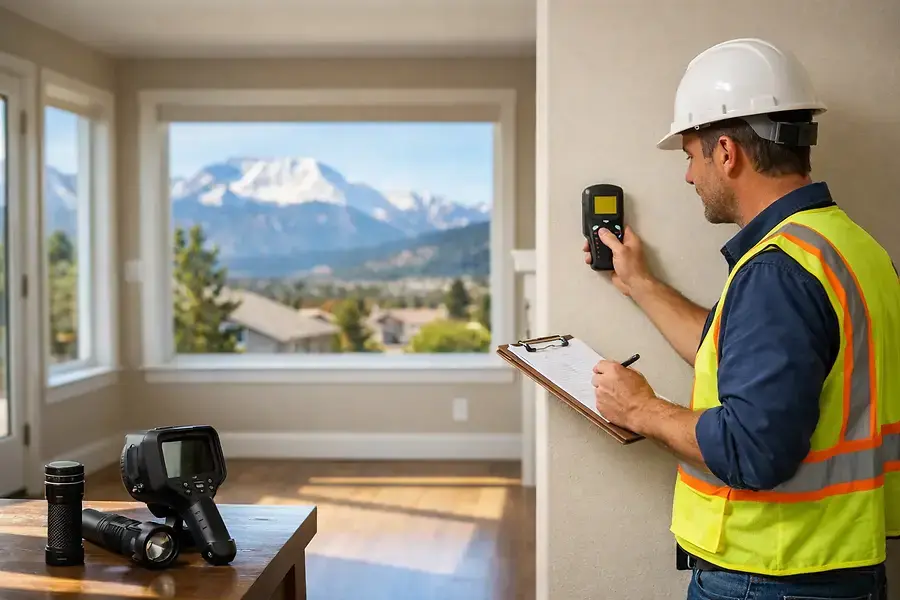
Understanding the Home Inspection Process and Timeline
A home inspection is one of the most critical steps in the home buying process, especially in Colorado Springs where properties face unique environmental challenges. This professional evaluation typically takes 2-4 hours and involves a thorough examination of the property's structural and mechanical systems.
The inspection timeline usually follows this sequence:
- Schedule the inspection within 7-10 days after your offer is accepted
- Attend the inspection in person to ask questions and observe findings
- Receive a detailed report within 24-48 hours
- Review findings and decide on next steps for negotiations
Pro tip: Always attend your home inspection. This gives you the opportunity to ask the inspector questions directly and understand potential issues firsthand.
Critical Areas Inspectors Examine and Red Flags to Know
Structural Components
Inspectors carefully evaluate the foundation, walls, and roof structure. In Colorado Springs, foundation issues are particularly important due to the region's soil composition and weather patterns. Look for cracks, settling, or water damage that could indicate serious problems.
Roofing and Exterior
The roof is one of your home's most expensive systems. Inspectors check for:
- Missing or damaged shingles
- Proper flashing around chimneys and vents
- Signs of leaks or water damage
- Gutter condition and drainage
Plumbing Systems
Water damage and plumbing failures can be costly. Inspectors test water pressure, check for leaks, examine pipe materials, and verify that drainage systems function properly. Older homes with galvanized pipes may need replacement soon.
Electrical Systems
Safety is paramount. Inspectors verify that the electrical panel is properly grounded, check outlet functionality, and identify any outdated or hazardous wiring. Homes with aluminum wiring may present fire risks and require professional evaluation.
HVAC Systems
Colorado Springs' temperature extremes make heating and cooling systems essential. Inspectors test furnaces, air conditioners, and heat pumps to ensure they operate efficiently and safely.
Common Red Flags
Major concerns that warrant serious negotiation or further inspection: Active water leaks, foundation cracks wider than 1/4 inch, outdated electrical panels, non-functional HVAC systems, mold growth, and evidence of pest damage.
Interpreting Reports and Negotiating Repairs with Sellers
Understanding the Report
Home inspection reports categorize findings by severity. Most reports use classifications like:
- Safety Issues: Problems that pose immediate danger
- Major Repairs: Significant systems needing replacement or major work
- Minor Issues: Small repairs or maintenance items
- Recommendations: Suggested improvements or further evaluation
Negotiation Strategies
Once you receive the inspection report, you have several options:
- Request repairs: Ask the seller to fix critical issues before closing
- Request credits: Negotiate a price reduction to cover repair costs yourself
- Request inspections: Ask for specialized inspections on specific systems (electrical, plumbing, foundation)
- Walk away: If issues are too severe, you may choose to terminate the contract
Focus your negotiations on safety issues and major systems. Sellers are more likely to agree to repairs that affect the home's structural integrity or essential systems rather than cosmetic issues.
Getting Specialized Inspections
If the general inspection reveals concerns, consider hiring specialists:
- Foundation specialists for structural concerns
- Electrical contractors for wiring issues
- Plumbers for water damage or system problems
- Mold inspectors if moisture issues are present
These additional inspections cost $300-$800 each but provide detailed information for negotiation.
Final Walkthrough Checklist Before Closing Day
Pre-Closing Inspection
Schedule a final walkthrough 24 hours before closing to verify that agreed-upon repairs were completed and the property is in the expected condition.
Walkthrough Checklist
- Verify all agreed repairs are completed to your satisfaction
- Check that agreed-upon items (appliances, fixtures) are still present
- Test all light switches, outlets, and plumbing fixtures
- Verify HVAC systems are functioning
- Look for new damage or issues since the inspection
- Confirm the property is clean and in move-in condition
- Take photos or video documentation for your records
What to Do If Issues Arise
If you discover problems during the final walkthrough, do not sign closing documents until issues are resolved. Contact your real estate agent and attorney immediately. You have the right to request additional repairs or credits before closing.
Remember: The final walkthrough is your last opportunity to ensure everything is as promised. Take this step seriously and don't rush through it.
Closing Day Confidence
By thoroughly understanding the inspection process, carefully reviewing reports, and conducting a detailed final walkthrough, you protect your Colorado Springs investment. A home inspection isn't just a formality—it's your safeguard against unexpected expenses and a tool for negotiating the best possible deal on your new home.


