Home Inspection Guide: Protect Your Residential Investment Before Closing
What Every Homebuyer Must Know Before Making an Offer

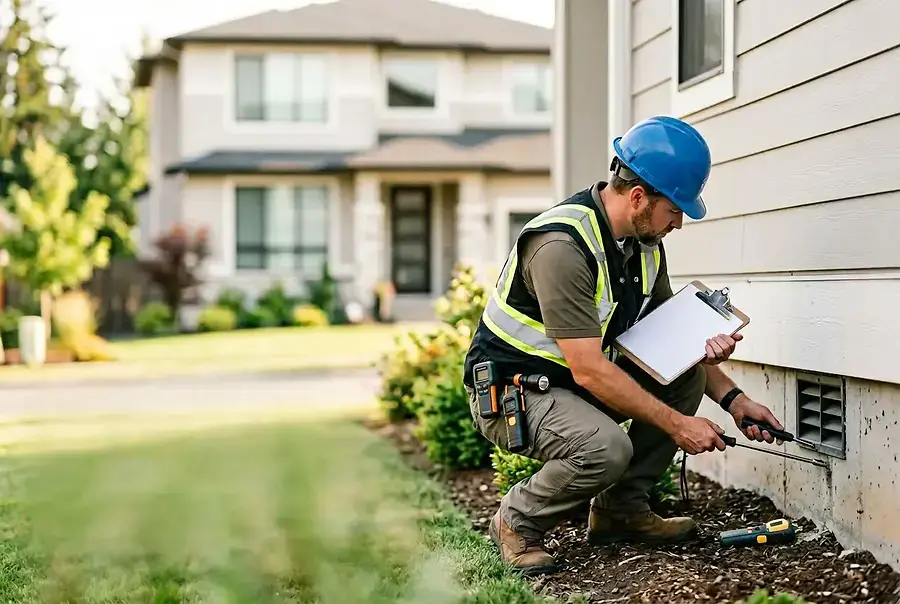
Introduction: Why Professional Home Inspections Matter for Buyers
Purchasing a home is one of the most significant financial decisions you'll make in your lifetime. While it's easy to get caught up in the excitement of finding your dream property, skipping a professional home inspection is a risk no buyer should take. A thorough inspection can reveal hidden problems that could cost thousands of dollars to repair after you've already closed on the property.
A professional home inspector provides an objective, detailed assessment of a property's condition. This inspection serves as your protection against unforeseen structural issues, mechanical failures, and safety hazards. By understanding what inspectors look for and how to use their findings, you can make informed decisions and negotiate repairs before signing the final paperwork.
Key Areas Inspectors Examine and Red Flags to Watch For
Structural Components
Home inspectors begin by evaluating the foundation, walls, and overall structural integrity of the property. They look for cracks, settling, water damage, and signs of foundation movement. A compromised foundation is one of the most expensive issues to repair, sometimes costing $10,000 or more. Pay special attention to any inspector notes about basement moisture, efflorescence (white mineral deposits), or visible cracks larger than a quarter-inch wide.
Roofing and Exterior
The roof is your home's first line of defense against the elements. Inspectors examine shingles, flashing, gutters, and drainage systems. Red flags include:
- Missing or damaged shingles
- Sagging roof lines
- Improper water drainage
- Moss or algae growth indicating moisture retention
- Roof age nearing or exceeding its expected lifespan
A roof replacement can easily exceed $15,000, making this a critical area to evaluate carefully.
Plumbing Systems
Inspectors test water pressure, check for leaks, and examine pipes for corrosion or damage. Older homes may have outdated plumbing materials like galvanized steel or polybutylene pipes that are prone to failure. Look for signs of water stains, slow drains, or rust-colored water, which could indicate serious plumbing issues requiring extensive replacement.
Electrical Systems
A qualified inspector will evaluate the electrical panel, outlets, and wiring. Outdated or inadequate electrical systems pose serious safety risks and may not support modern appliances and technology. Common concerns include:
- Outdated fuse boxes instead of circuit breakers
- Insufficient amperage for modern homes
- Improper grounding or bonding
- Aluminum wiring (a fire hazard)
HVAC Systems
Heating, ventilation, and air conditioning systems are essential for comfort and indoor air quality. Inspectors assess the age, condition, and functionality of furnaces, air conditioners, and ductwork. Replacing an HVAC system can cost $5,000 to $10,000, so understanding the system's remaining lifespan is crucial.
Insulation and Ventilation
Proper insulation and ventilation affect energy efficiency and prevent moisture problems. Inspectors look for adequate insulation levels, proper attic ventilation, and signs of moisture damage or mold growth. Poor ventilation can lead to costly mold remediation and structural damage.
Understanding Inspection Reports and Negotiating Repairs
Decoding Your Inspection Report
Home inspection reports typically categorize findings into three levels: safety issues, major repairs, and minor maintenance items. Safety issues require immediate attention and should be your top priority. Major repairs involve significant costs or structural concerns. Minor items are maintenance tasks that don't pose immediate risks but should be addressed eventually.
Take time to understand each finding. Ask your inspector to explain technical terms and clarify the severity of issues. Don't hesitate to request a follow-up conversation or additional documentation about concerning items.
Negotiation Strategies
Once you have the inspection report, you have several options:
- Request repairs: Ask the seller to fix major issues before closing
- Request credits: Negotiate a price reduction to cover repair costs yourself
- Request inspections: Hire specialists for specific concerns (foundation, mold, termites)
- Walk away: If issues are too severe or costly, you can terminate the purchase
Approach negotiations professionally and realistically. Sellers are more likely to agree to reasonable requests than extensive demands.
Focus on safety issues and major structural problems rather than cosmetic concerns or routine maintenance items.
When to Hire Specialists
If the general inspection reveals potential issues in specific areas, consider hiring specialists. A structural engineer can assess foundation problems, a mold inspector can evaluate moisture concerns, and a pest control expert can check for termites or other infestations. These specialized inspections typically cost $300 to $800 but can save you from purchasing a property with hidden problems.
Conclusion: Protecting Your Investment Through Proper Due Diligence
A professional home inspection is not an expense—it's an investment in your peace of mind and financial security. By understanding what inspectors examine, recognizing red flags, and effectively using inspection findings during negotiations, you protect yourself from costly surprises after closing.
Remember that no home is perfect, and minor issues are normal. The goal is to identify significant problems that affect safety, structural integrity, or long-term value. Armed with detailed inspection information, you can make confident decisions about your purchase and negotiate from a position of knowledge.
Before making an offer on any property, always include a professional home inspection contingency in your contract. This simple step ensures you have the opportunity to thoroughly evaluate the property and protect your residential investment for years to come.


